
Knee Braces and Water Therapy Outperform High-Tech Options in Large Osteoarthritis Review
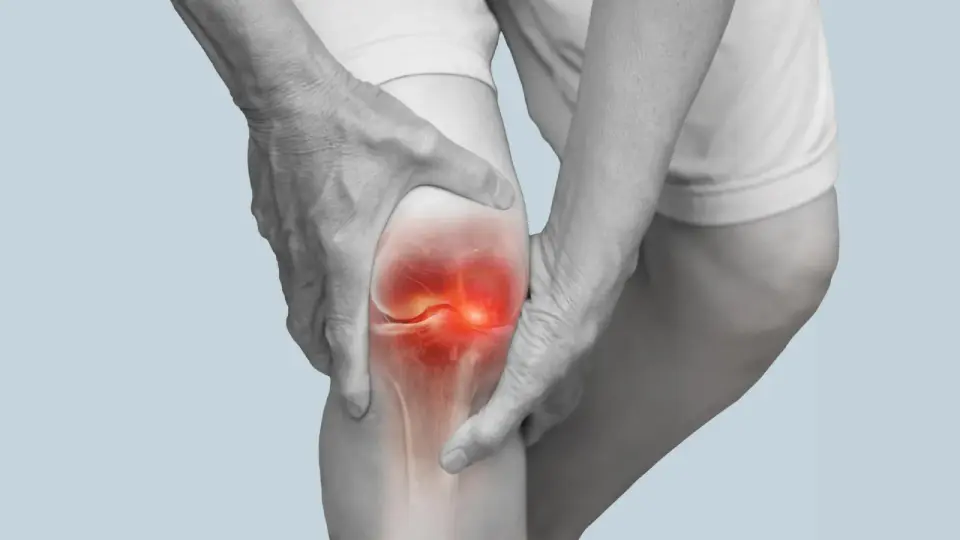
A network meta-analysis of 139 trials involving nearly 10,000 patients indicates that simple, low-cost interventions like knee braces, hydrotherapy, and regular exercise are the most effective non-drug treatments for knee osteoarthritis. These methods significantly reduce pain and stiffness while improving mobility, often outperforming high-tech alternatives such as ultrasound. The findings suggest that accessible physical therapies may offer safer alternatives to anti-inflammatory medications, which carry gastrointestinal and cardiovascular risks, though researchers note that varying trial designs limit definitive conclusions.
Key points
- Analysis of 139 clinical trials involving nearly 10,000 participants evaluated 12 non-drug therapies for knee osteoarthritis.
- Knee braces ranked highest overall for reducing pain, stiffness, and improving physical function.
- Hydrotherapy was particularly effective for pain relief, while regular exercise consistently improved both pain and function.
- High-tech treatments like ultrasound consistently ranked near the bottom of the efficacy comparisons.
- Researchers caution that differences in trial design and participant sizes limit the precision of the rankings.
- The study suggests simple, accessible therapies could serve as safer alternatives to anti-inflammatory medications.
Background
This finding aligns with recent archive coverage highlighting the potential of non-pharmacological approaches for joint and pain management. In August 2026, Yale researchers explored repurposing lacosamide for cartilage repair, while a March 2026 analysis similarly emphasized that simple therapies like braces and hydrotherapy can ease symptoms. Additionally, a February 2026 review suggested that exercise might offer only short-lived relief, contrasting with the current study's positive findings for regular exercise. A September 2026 review also noted that aerobic activities like walking and swimming are effective for knee osteoarthritis, reinforcing the value of movement-based interventions.
Why it matters
The study provides evidence that low-cost, accessible physical therapies may be more effective and safer than high-tech or medication-based treatments for knee osteoarthritis. This could influence clinical guidelines to prioritize interventions that avoid the side effects of anti-inflammatory drugs, potentially reducing healthcare costs and improving patient outcomes through simple, evidence-based methods.
What to watch
Future research will focus on whether combining multiple treatments yields better results and which approaches offer the greatest benefit relative to their cost. Researchers also aim to address the limitations of current trial designs to provide more definitive rankings of therapeutic efficacy.
Want the full story? Read the original reporting
Read on Science Daily