
Rutgers Study Quantifies Rare Vision Risk for GLP-1 Drugs Amidst Legal Backlash
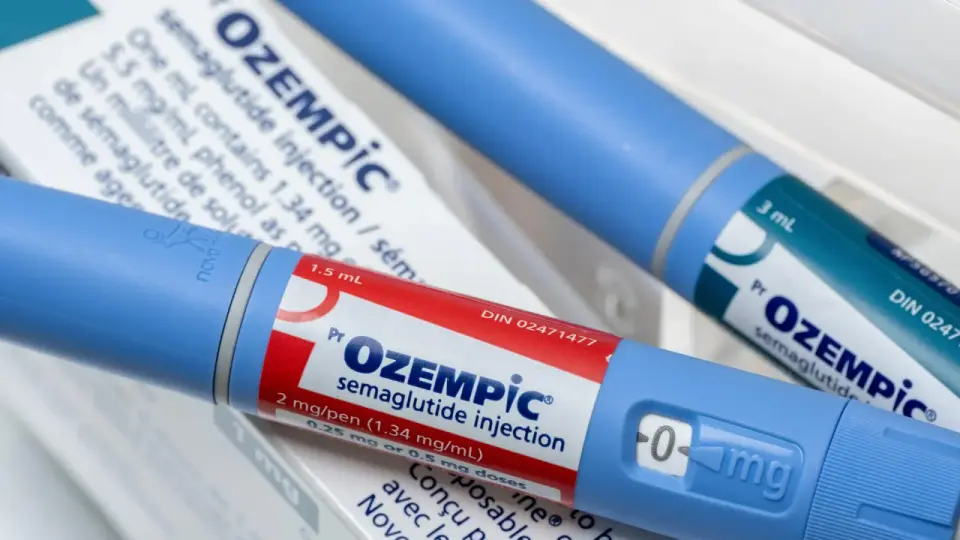
A new study from Rutgers University links popular GLP-1 medications, including Ozempic and Wegovy, to a slightly elevated risk of ischemic optic neuropathy, a rare condition causing sudden and potentially permanent vision loss. While the absolute risk is low, estimated at three to four additional cases per 10,000 patients over 18 months, the findings highlight the need for vigilance among millions of users. This scientific data emerges as hundreds of lawsuits allege that manufacturers failed to warn patients about this specific side effect.
Key points
- Rutgers researchers found an association between GLP-1 receptor agonists and a modest increase in the risk of ischemic optic neuropathy.
- The condition involves reduced blood flow to the optic nerve, often leading to sudden, partial, and potentially permanent vision loss in one eye.
- The absolute risk remains low, with approximately three to four additional cases per 10,000 patients treated over 18 months.
- Men and adults aged 50 to 65 were identified as the demographic groups with the highest incidence of the condition in the study.
- The findings do not prove direct causation, as underlying health differences may contribute to the observed risk.
Background
This development follows a surge in legal action against Novo Nordisk and Eli Lilly, with hundreds of lawsuits filed alleging that GLP-1 drugs cause rare vision loss known as non-arteritic anterior ischemic optic neuropathy (NAION). Previous coverage noted that while the FDA is investigating the link, drugmakers have denied causation, citing mixed research and the condition's low overall prevalence. Some countries have already updated drug labels to include warnings for this risk, though it remains absent from U.S. labels.
How outlets are covering it
ScienceDaily and UA.NEWS report on the Rutgers study published in the Annals of Internal Medicine, emphasizing the statistical association between GLP-1 use and vision loss while noting the low absolute risk. They highlight that the condition is more common in men and older adults but stress that the study does not prove direct causation. In contrast, AboutLawsuits.com focuses on the legal implications, detailing a specific lawsuit filed by a Florida man who claims he became legally blind after taking Ozempic. This outlet frames the issue through the lens of failure-to-warn claims and ongoing multidistrict litigation, suggesting that the scientific findings may bolster legal arguments against manufacturers who have not included NAION warnings on U.S. labels.
Why it matters
As GLP-1 medications become increasingly widespread for both diabetes and weight management, understanding rare but severe side effects is critical for patient safety. The quantification of risk, even if small, provides concrete data for clinicians to monitor patients, particularly those in higher-risk demographics. Furthermore, the ongoing litigation and regulatory scrutiny may lead to updated labeling requirements, ensuring that patients are informed about potential risks before starting treatment.
What to watch
Researchers will continue to investigate whether GLP-1 medications directly cause optic nerve damage or if the association is due to confounding factors. Clinicians are advised to monitor patients for sudden vision changes, especially those at higher baseline risk. In the legal arena, courts will determine whether manufacturers can demonstrate that GLP-1 drugs are capable of causing NAION and whether federal law preempts failure-to-warn claims, potentially leading to bellwether trials that could shape future settlements.
- Ozempic and Wegovy linked to rare risk of sudden vision loss Science Daily
- No Effect of GLP-1s on Anti-VEGF Injection Frequency for Diabetic Macular Edema MedPage Today
- Attorney Tracy Paulsen Brings Focused Experience to Growing GLP-1 Vision Loss and NAION Litigation StreetInsider
- US study links GLP-1 drugs to rare vision loss — ScienceDaily UA.NEWS
- GLP-1 Vision Loss Lawsuit Alleges Ozempic Caused Man to Become Legally Blind AboutLawsuits.com
Want the full story? Read the original reporting
Read on Science Daily