
STAREE Trial: Atorvastatin Reduces Cardiovascular Events in Adults Over 70, But Not Disability-Free Survival
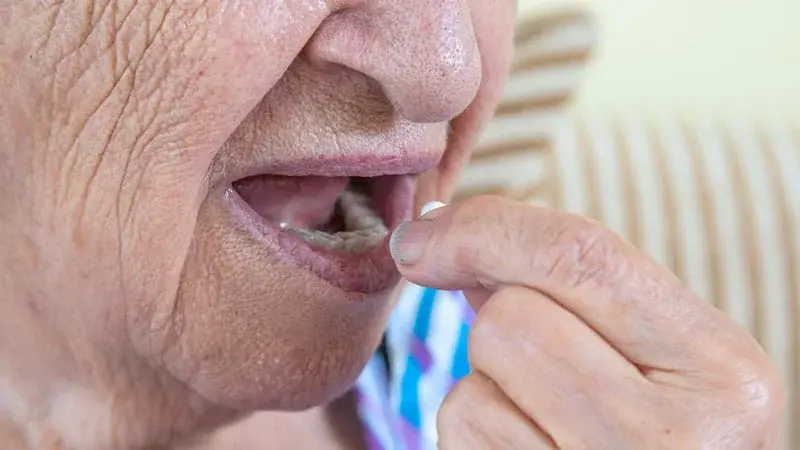
The STAREE trial demonstrates that atorvastatin reduces major cardiovascular events by 30% in adults aged 70 and older without prior heart disease, though it does not improve disability-free survival or reduce dementia risk.
Key points
- Atorvastatin 40 mg daily reduced major cardiovascular events by 30% in 9,971 older adults over 5.9 years of follow-up.
- The benefit was driven primarily by reductions in nonfatal myocardial infarction and coronary revascularization, not cardiovascular death.
- No significant difference was observed in disability-free survival, defined as death, dementia, or persistent physical disability.
- Adherence declined over time, with only 55.6% of participants still taking the assigned therapy at five years.
- Safety profiles were similar between groups, with musculoskeletal adverse events slightly more common in the atorvastatin group.
Background
Previous trials underrepresented adults over 70, leaving a gap in evidence for statin use in primary prevention. Earlier studies, such as PROSPER, showed smaller effects in similar age groups. Recent archive coverage on Shingrix and vitamin D highlights ongoing interest in modifiable risk factors for dementia and cognitive decline in older adults, though those interventions target different mechanisms than lipid-lowering therapy.
How outlets are covering it
Medscape and TCTMD emphasize the 30% reduction in major cardiovascular events as a landmark finding for primary prevention in older adults, noting that age alone should no longer be a barrier to statin initiation. However, both outlets highlight that the benefit did not translate into improved disability-free survival, with TCTMD’s Abdulla Damluji stressing that remaining life expectancy and frailty must guide treatment decisions. The Guardian focuses on a separate observational study suggesting statins may reduce dementia risk by 15% when started early, but notes this is not causal and differs from STAREE’s null finding on dementia. The Telegraph source was inaccessible due to a security block and provided no content.
Why it matters
The STAREE trial provides the first large-scale evidence supporting statin use for primary prevention in adults over 70, potentially influencing clinical guidelines. However, the lack of improvement in disability-free survival and dementia risk suggests that statins may not extend healthy lifespan in this population, necessitating individualized risk-benefit assessments for older patients.
What to watch
Clinicians are expected to update primary prevention guidelines to incorporate age-specific statin recommendations. The ongoing PREVENTABLE trial, with 20,000 participants, aims to determine if statins can prevent dementia or disability in older adults. Researchers will also investigate why cardiovascular event reduction did not improve disability-free survival, possibly due to high noncardiovascular mortality rates in the trial population.
- STAREE Trial: Atorvastatin Cuts Major CV Events by 30% in Older Adults, Driven Mainly by Nonfatal Events Medscape
- Statins can reduce dementia risk by up to 15%, long-term study suggests The Guardian
- STAREE: Statins Cut MACE Risk by 30% in Older Adults With No CVD History TCTMD.com
- This common medication cuts heart attack risk in older people SMH.com.au
- Statins could cut dementia risk for millions The Telegraph
Want the full story? Read the original reporting
Read on Medscape