Tag

Geriatrics

All articles tagged with #geriatrics

Geriatrician Identifies Four Lifestyle Errors That Accelerate Physical Decline
health4 days ago

Geriatrician Identifies Four Lifestyle Errors That Accelerate Physical Decline

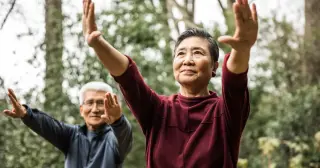
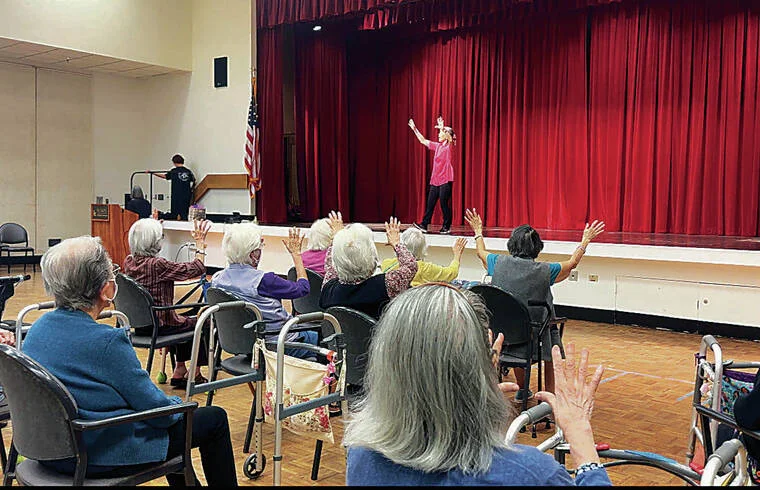
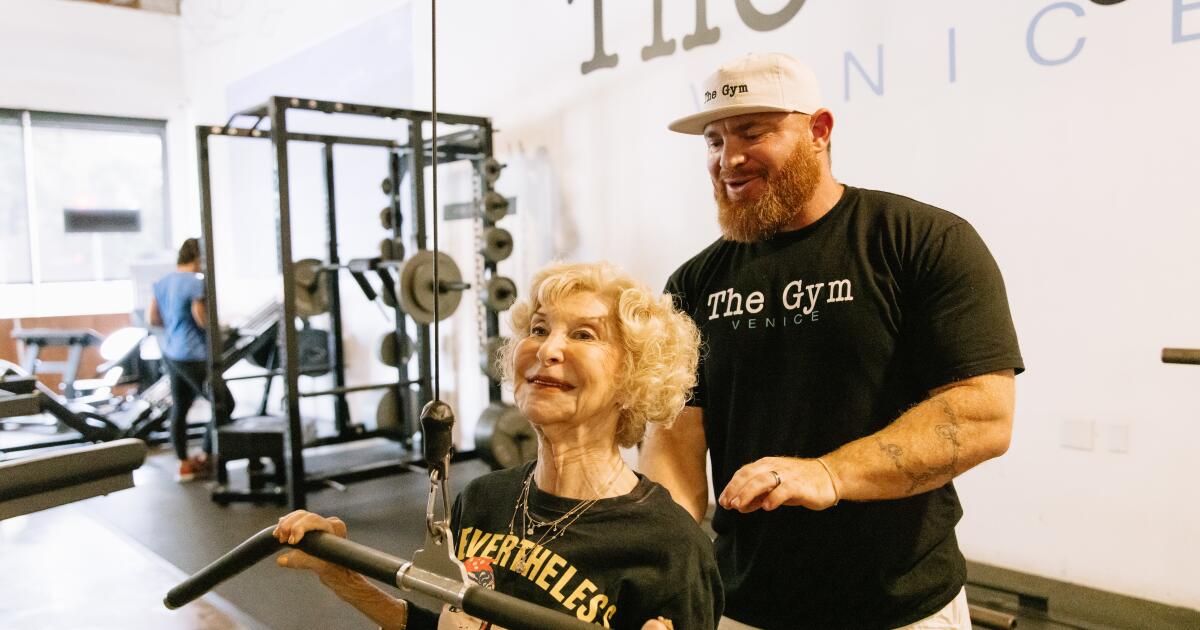
Dr. Mason Pimsler, a geriatrician at NYC Health + Hospitals/Lincoln, outlines four common habits that undermine healthy aging. He argues that relying solely on Pilates, substituting protein shakes for whole meals, neglecting social connections, and dismissing Tai Chi are significant errors. Pimsler emphasizes that progressive resistance training is essential for maintaining muscle and bone density, while whole foods provide superior nutritional value compared to supplements. He also highlights the critical role of social interaction in cognitive health and recommends Tai Chi for improving balance and fall prevention. These insights aim to help older adults maintain independence and reduce the risk of chronic disease through targeted lifestyle adjustments.

Eight aging signals that aren’t just getting older, says geriatrician
health20 days ago

Eight aging signals that aren’t just getting older, says geriatrician

Geriatric specialist Dr. Anita Chandra warns that not every change in older adults is just aging; she highlights eight warning signs—slower movement, forgetfulness, unintentional weight loss, increased stubbornness, falls, sleeping more, withdrawal from activities, and loss of independence—that deserve a closer medical check rather than being dismissed as normal aging.

Eight Daily Habits for Lifelong Vitality as You Age
health1 month ago

Eight Daily Habits for Lifelong Vitality as You Age

Geriatric experts list eight lifelong habits to promote healthy aging: stay physically active (including non-gym options like walking or gardening), try tai chi to reduce falls and boost brain health, protect hearing and vision to support social interaction and activity, follow a Mediterranean-style diet to lower dementia risk, avoid tobacco, limit alcohol intake, and stay mentally, socially, and physically engaged after retirement. Starting these changes at any age can yield meaningful benefits, including better sleep, weight management, and reduced dementia risk (tai chi may add 3–6 years of healthy brain life with regular practice).

Eight Habits Geriatric Doctors Say Boost Health and Longevity
wellness1 month ago

Eight Habits Geriatric Doctors Say Boost Health and Longevity

Geriatric medicine experts outline eight lifelong habits to promote healthy aging: prioritize regular physical activity (including tai chi), protect hearing, address vision loss to stay active, follow a Mediterranean-style diet, don’t use tobacco, limit alcohol, and stay mentally and socially engaged after retirement, noting that starting these habits at any age can yield meaningful health benefits.

Subtle Tremor Signals Cognitive Decline Risk in Seniors
health1 month ago

Subtle Tremor Signals Cognitive Decline Risk in Seniors

A cross‑sectional study of 894 adults aged 65+ in Germany found that mild, non‑pathological action tremor (measured by Archimedes spiral rating) is linked to lower cognitive performance (TICS‑m). After adjusting for age, sex, frailty, sleep, stroke history, and Parkinson score, each 1‑point increase in tremor severity corresponded to about a 0.63‑point drop in TICS‑m, with the association remaining significant across several sensitivity analyses. Beta‑blocker use did not modify the relationship. Other predictors of poorer cognition included older age, male sex, frailty, and higher Parkinson score. Limitations include the cross‑sectional design and tremor assessment via a single spiral drawing. Authors suggest aging‑related brain changes could underlie both tremor and cognitive decline.

Aging Well: The Three Pillars Keeping Mind, Body, and Heart Strong
health4 months ago

Aging Well: The Three Pillars Keeping Mind, Body, and Heart Strong

Geriatricians say aging well rests on three pillars—physical health, emotional connections, and mental vitality. Signs you’re thriving include learning new things to keep the brain active, speaking openly about needs to combat loneliness, and building a supportive community. Prioritizing a nutritious diet and regular exercise, staying physically active to reduce fall risk, and regularly reviewing medications are also key. Plan for future care with loved ones and resources like Plan Your Lifespan, and start these practices early to preserve autonomy as health evolves.

Hawaii’s aging wave tests the state’s elder-care capacity
health7 months ago

Hawaii’s aging wave tests the state’s elder-care capacity

Hawaii, despite having the longest life expectancy in the U.S., is confronting a fast‑growing elderly population that outpaces geriatric care, with shortages across the workforce and long appointment waits. Geriatric specialists are concentrated on Oahu, while islands like Hawaii, Kauai, and Maui have few or none, forcing primary care doctors to shoulder complex elder care. Efforts like JABSOM’s geriatric fellowship and loan-repayment programs aim to expand capacity, but systemic funding, reimbursement, and care-coordination barriers remain, especially as dementia cases rise and care becomes more time-intensive but less well reimbursed.

Rising Fatalities Among Elderly Post-Fall
health1 year ago

Rising Fatalities Among Elderly Post-Fall

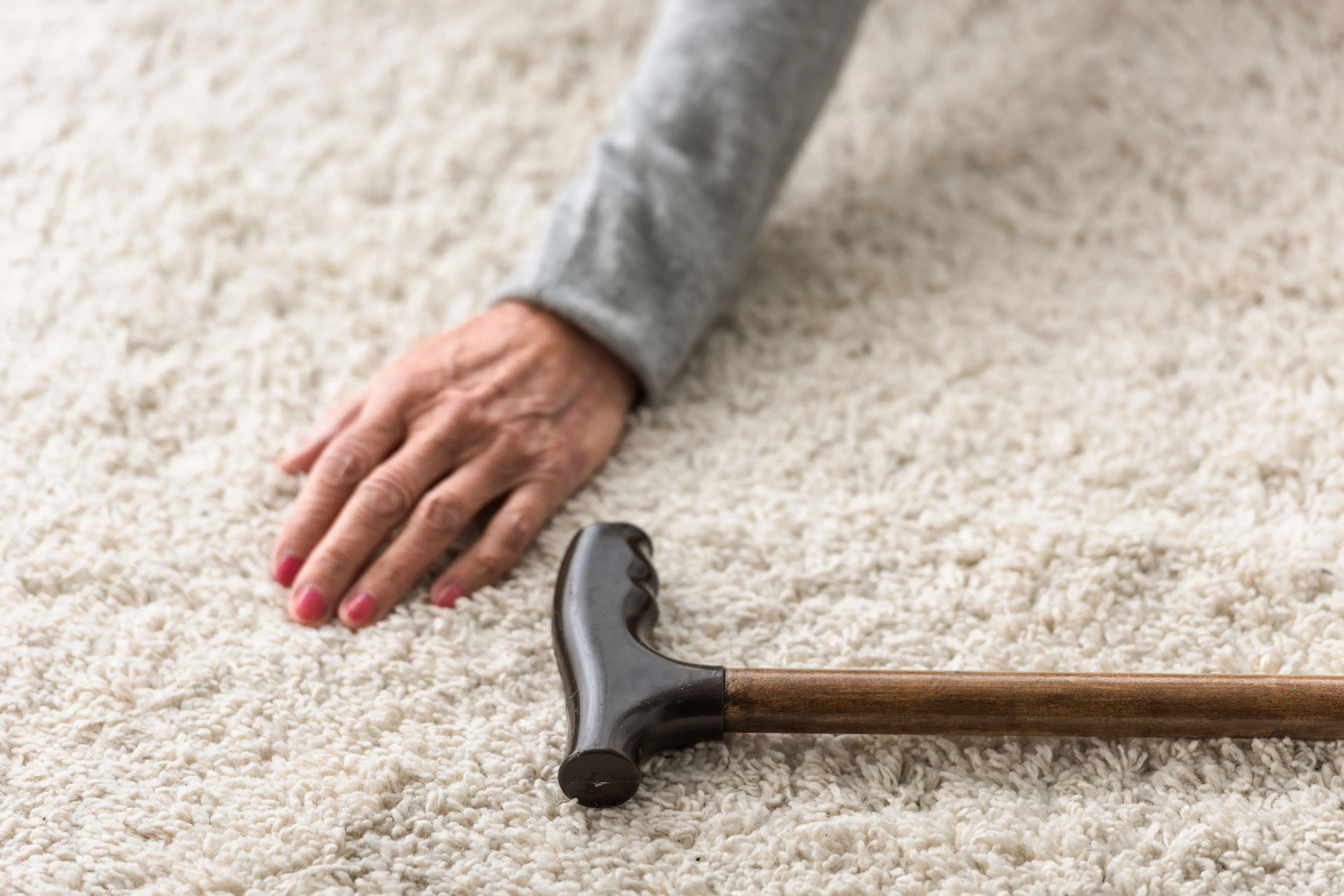
The article discusses the rising mortality rates from falls among older Americans, highlighting the role of prescription drugs, especially those that cause drowsiness or dizziness, as a significant contributing factor. Despite efforts to prevent falls through guidelines and programs, the increase in fall-related deaths continues, partly due to overuse and inappropriate prescribing of certain medications. Experts emphasize the importance of deprescribing and alternative treatments to reduce these risks.

"Addressing Harmful Bias Against Older Patients in Health Care Settings"
healthcare2 years ago

"Addressing Harmful Bias Against Older Patients in Health Care Settings"

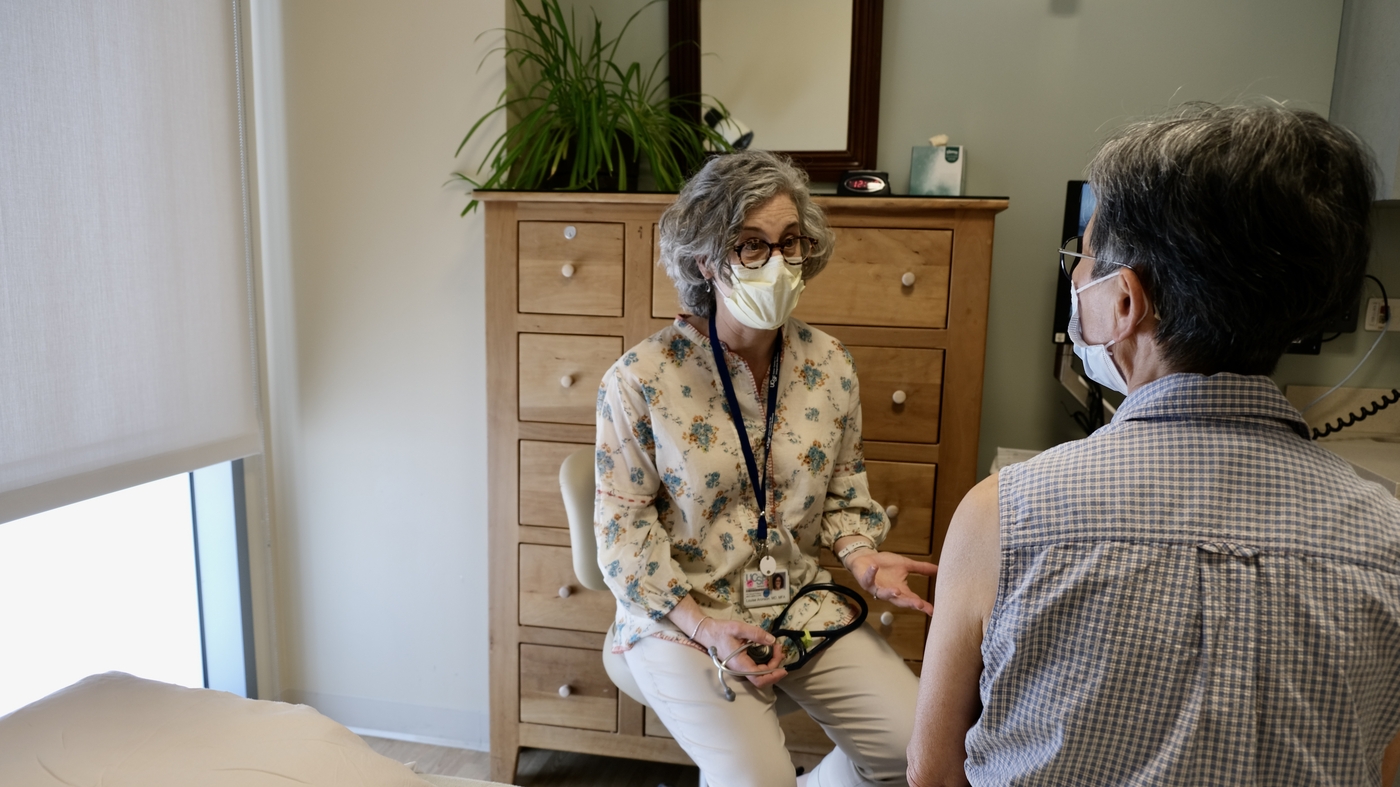
Ageism in healthcare is a prevalent issue that can lead to both overtreatment and undertreatment of older adults, affecting their morale and overall health. Instances of ageism include healthcare workers addressing family members instead of the elderly patients themselves and making assumptions based on age rather than individual health and priorities. Efforts such as anti-ageism trainings and Age-Friendly Health Systems are being made to combat ageism in healthcare and ensure that older adults are seen and heard, with a focus on their specific needs and desires.