
International Experts Release Plant-Forward Food Pyramid to Counter US Meat-Centric Guidelines
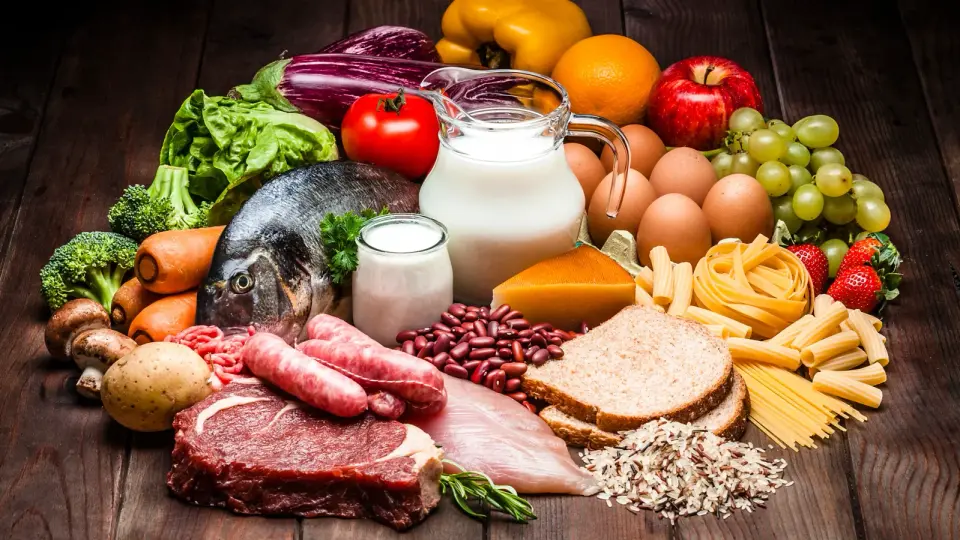
A coalition of 22 international nutrition scientists has published the first global food pyramid, emphasizing plant-based proteins, whole grains, and unsaturated fats. This guidance directly contrasts with the U.S. Department of Agriculture’s recent inverted pyramid, which prioritizes red meat, dairy, and animal fats under Health Secretary Robert F. Kennedy Jr. The new model, based on 250 studies, aims to reduce heart disease risk and environmental impact, though experts note affordability barriers.
Key points
- The International Food Guide Pyramid was developed by 22 scientists from Canada, Germany, Australia, China, the Netherlands, the U.S., and Nordic countries, analyzing 250+ publications.
- The new pyramid places vegetables, fruits, and low-glycemic whole grains at the base, while limiting red meat, processed foods, and sugary drinks to the top.
- It recommends replacing animal fats like butter and tallow with unsaturated plant oils such as olive and canola oil, and prioritizing plant proteins like beans and lentils.
- The U.S. guidelines released in January 2026 inverted the traditional pyramid, placing grains at the bottom and promoting red meat and high-fat dairy in larger quantities.
- Researchers acknowledge that high food costs and lack of access may hinder adoption, calling for policy changes to make healthy choices affordable.
Background
The U.S. abandoned the traditional food pyramid in 2011 in favor of a plate model. In January 2026, the HHS under RFK Jr. reintroduced an inverted pyramid that aligns with the 'Make America Healthy Again' agenda, emphasizing animal products. Recent internal conflicts within the administration, including the resignation of MAHA architect Calley Means, have highlighted tensions over food reform. This new international guide offers a scientific alternative to these polarizing domestic policies.
How outlets are covering it
USA TODAY and The Independent highlight the stark contrast between the new international pyramid and the U.S. government’s meat-heavy recommendations, noting the former’s focus on heart health and environmental sustainability. Nautilus emphasizes the return to a traditional pyramid structure that prioritizes carbohydrates, contrasting it with the 'inverted' U.S. model. Health and Me notes that while the new guide aligns with older U.S. advice on sugar limits, it differs significantly in its emphasis on plant-based proteins. All sources agree that the new pyramid is grounded in extensive peer-reviewed evidence, whereas the U.S. guidelines have faced criticism from some health experts for promoting saturated fats without clear portion limits.
Why it matters
The release of a unified global dietary standard challenges the current U.S. federal stance, potentially influencing public health discourse and international nutrition policies. It underscores a growing scientific consensus that plant-forward diets reduce cardiometabolic risks and environmental burden, offering a counter-narrative to the administration’s focus on animal products.
What to watch
Nutritionists will likely advocate for the adoption of these international principles in public health campaigns. Policymakers may face pressure to address affordability and access issues to make the recommended diet feasible for all populations. The debate over dietary guidelines may intensify as midterm elections approach, with the U.S. guidelines remaining a focal point of political and scientific controversy.
- The first global food pyramid vs. RFK Jr.'s. They look nothing alike USA Today
- BYU-led team releases a new global food pyramid ABC4 Utah
- First-of-its-kind food pyramid with international seal of approval released - and counters Trump advice The Independent
- There’s a New, International Food Pyramid in Town Nautilus | Science Connected
- New International Food Pyramid Highlights Plant Foods, Counters Trump’s Meat-Heavy Diet Advice Health and Me
Want the full story? Read the original reporting
Read on USA Today