
Nottingham Trial Links Daily Inulin Fiber to Reduced Knee Arthritis Pain and Improved Grip Strength
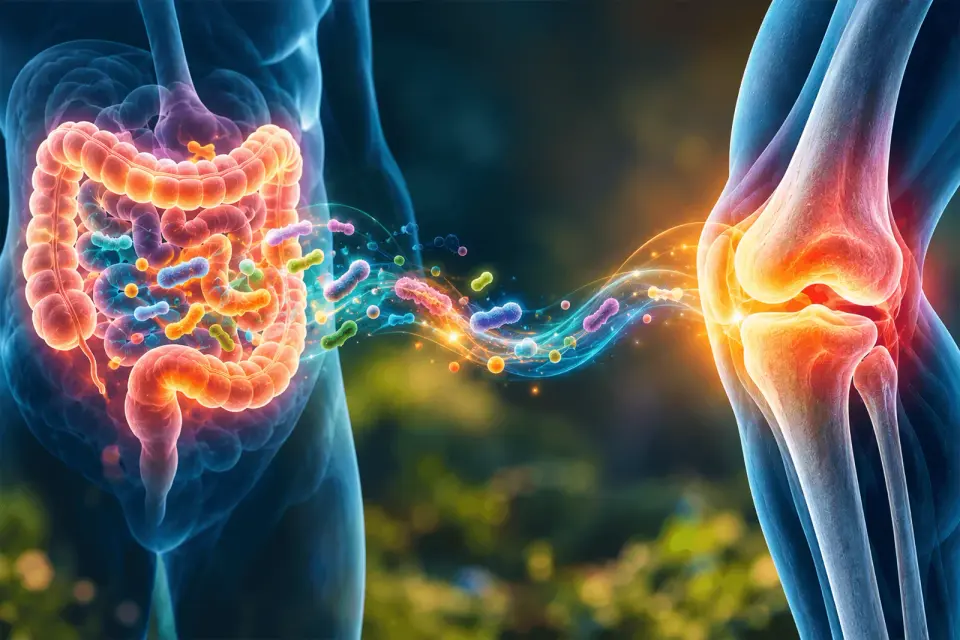
A six-week randomized trial at the University of Nottingham found that daily inulin fiber supplementation significantly reduced knee osteoarthritis pain and improved grip strength in 117 adults. While physiotherapy enhanced mobility, inulin uniquely lowered pain sensitivity and demonstrated superior adherence, with a 3.6% dropout rate compared to 21% for exercise programs. The study suggests a connection between gut bacteria, the hormone GLP-1, and muscle function, though larger trials are needed to confirm long-term benefits.
Key points
- The INSPIRE trial involved 117 adults with knee osteoarthritis, divided into four groups: inulin, physiotherapy, both, or placebo.
- Inulin reduced pain by 1.11 points on a 10-point scale and improved grip strength by 4.62 kg compared to placebo.
- Physiotherapy reduced pain by 1.55 points and improved mobility tests but did not improve grip strength or pain sensitivity.
- Inulin participants showed higher levels of butyrate and GLP-1, a hormone linked to muscle health and pain regulation.
- Adherence was significantly higher for inulin (3.6% dropout) than for physiotherapy (21% dropout).
- 23 of 50 inulin participants reported minor digestive issues like gas and bloating, but none withdrew due to these symptoms.
Background
Recent coverage has highlighted various supplements for joint health, including collagen, which showed modest benefits, and glucosamine, which faces medical opposition due to inconsistent evidence. This new study adds to the growing interest in how gut health influences systemic conditions like arthritis, building on earlier findings that exercise remains a primary treatment but supplements may offer complementary benefits.
How outlets are covering it
ZME Science and Science Daily emphasize the unique benefits of inulin, such as improved grip strength and reduced pain sensitivity, which physiotherapy did not achieve. They highlight the potential of gut-muscle-pain connections via GLP-1. The New York Post focuses on consumer accessibility, promoting fiber gummies as an affordable option, though it does not detail the clinical trial's specifics. UA.NEWS provides a concise summary of the trial's findings, reiterating the need for larger studies to confirm long-term effects. All sources agree on the trial's preliminary nature and the importance of further research.
Why it matters
The findings suggest that a simple dietary change could complement existing arthritis treatments, offering a low-cost, high-adherence option for pain management. The link between gut health and muscle function may have broader implications for aging and physical resilience, potentially influencing future research into metabolic and musculoskeletal health.
What to watch
Larger, longer-duration trials are needed to confirm the benefits of inulin, determine which patients benefit most, and clarify the biological mechanisms. Researchers will investigate whether changes in butyrate and GLP-1 drive the observed improvements and explore the broader gut-muscle-pain axis.
- This Simple Fiber Supplement Reduced Arthritis Pain in Just 6 Weeks ZME Science
- A simple daily fiber supplement reduced arthritis pain and improved strength Science Daily
- Study: Staple supplement known to aid digestion may have shocking impact on arthritis New York Post
- Want Less Knee Arthritis Pain? A 6-Week Study Found a Daily Supplement With a Surprising Second Benefit Inc.com
- Inulin reduced knee osteoarthritis pain in trial — ScienceDaily UA.NEWS
Want the full story? Read the original reporting
Read on ZME Science