
AI-Designed Phage Treats Human Patient for First Time
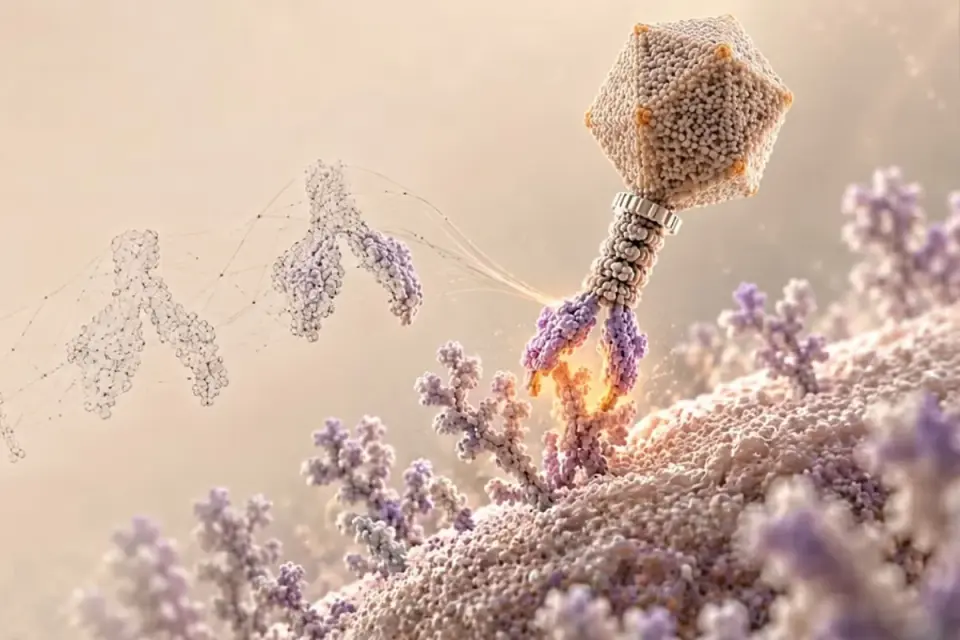
A California startup, Radical Numerics, reports the first use of an AI-designed bacteriophage to treat a human patient with a resistant bacterial infection. The AI model, Omnii-1, engineered a virus to target a specific E. coli strain that resisted both antibiotics and existing phage therapies. The treatment was administered under FDA compassionate use, but clinical outcomes have not been disclosed or peer-reviewed.
Key points
- Radical Numerics used its AI model, Omnii-1, to design a bacteriophage for a patient with a severe, antibiotic-resistant E. coli infection.
- The AI modified the phage's tail fibers to ensure it could attach to and kill the specific bacterial strain, a process the company says could take just days.
- The treatment was approved by the FDA under a compassionate use program, as conventional options were exhausted.
- The company has not released the patient's clinical outcome or diagnosis, citing privacy concerns, and the findings have not been peer-reviewed.
- In lab tests, the AI-designed phage eliminated the patient's bacterial sample, and Omnii-1 outperformed other AI systems in predicting phage-host interactions.
Background
This development follows growing interest in AI for medical research, including Stanford's August 2026 announcement of AI-designed viruses that killed E. coli in lab settings. It also aligns with broader efforts to combat antibiotic resistance, a critical global health issue. Earlier AI co-scientist developments have shown promise in accelerating discovery but require human oversight, a principle likely applicable here.
How outlets are covering it
The Independent and The Week emphasize the novelty and potential of AI-designed phages, highlighting the speed and specificity of the treatment. Contagion Live provides technical depth, noting that phage engineering is complex and that the AI model, Omnii-1, was tested against 37 unseen E. coli strains, achieving a 91.4% success rate with just two phages. The New York Times, cited by multiple outlets, describes the phage's structure and the company's intention to publish results. FOX 17 West Michigan News offers a broader AI-in-medicine context but does not add new details to the phage story. All sources agree that the lack of peer review and clinical outcome data limits the current significance of the announcement.
Why it matters
This marks a potential shift from searching for existing phages to designing them on-demand, which could accelerate treatment for antibiotic-resistant infections. If successful, it could reduce reliance on antibiotics and mitigate resistance. However, the lack of peer review and clinical data means the long-term safety and efficacy remain unproven.
What to watch
Radical Numerics plans to publish the findings in a peer-reviewed journal, subject to patient consent. The company aims to scale personalized phage therapy, but regulatory approval for broader clinical use is still pending. Researchers will continue to monitor the patient's outcome and the AI model's performance in larger trials.
- Scientists for the first time injected an AI-created virus into a human The Independent
- Scientists have deployed an AI-designed virus The Week
- Wellness Wednesday: AI development in medicine and pregnancy health FOX 17 West Michigan News
- AI-Designed Phage Treatment of Resistant Bacterial Infection Contagion Live
- AI is no longer just writing code or generating images. It has now designed a virus that was used on a hum The Economic Times
Want the full story? Read the original reporting
Read on The Independent