Tag

Phage Therapy

All articles tagged with #phage therapy

Bacteria Detect Viral Protease Activity to Trigger Self-Destructive Immunity
science11 days ago

Bacteria Detect Viral Protease Activity to Trigger Self-Destructive Immunity

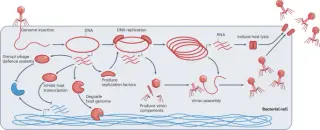
A new study in Science reveals that bacteria can detect viral invasion by sensing the enzymatic activity of phage proteases, rather than just viral genetic material. This discovery identifies a specific trigger for the CBASS immune system, which causes infected bacteria to self-destruct to prevent viral spread. Understanding this mechanism offers a pathway for engineering phages that evade bacterial defenses, potentially improving treatments for antibiotic-resistant infections.
New transposon tool maps essential phage genes and accelerates viral engineering
science17 days ago

New transposon tool maps essential phage genes and accelerates viral engineering

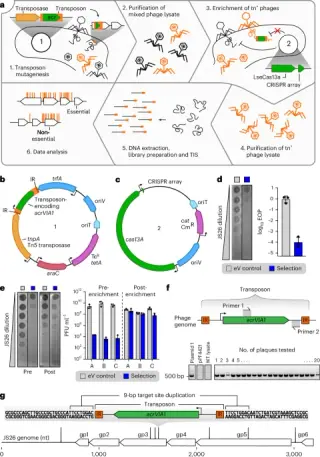
Researchers at the University of Otago developed 'phage Tn-seq,' a method that uses transposon mutagenesis and anti-CRISPR selection to identify essential genes in diverse bacteriophages. The technique also allows rapid insertion of new genetic cargo, such as fluorescent markers or anti-defense proteins, into phage genomes within days, overcoming previous barriers in phage engineering and functional genomics.

Engineered Bacteria Deliver Prophylactic Phage Defense Against Salmonella in Mice
science-and-health26 days ago

Engineered Bacteria Deliver Prophylactic Phage Defense Against Salmonella in Mice

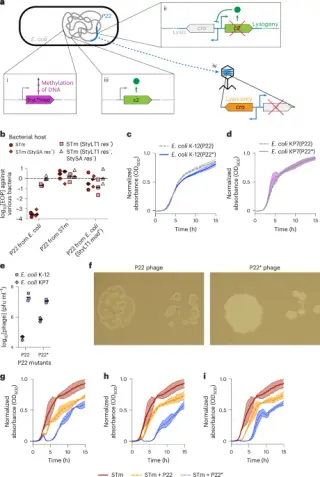
Researchers have developed a new prophylactic strategy using engineered non-pathogenic E. coli to produce lytic phages that prevent Salmonella enterica Typhimurium (STm) infection in mice. By establishing high concentrations of phage in the gut before exposure, this 'prophage therapy' overcomes the limitations of traditional post-infection phage treatments, significantly improving survival and reducing bacterial colonization in colitis models.

When antibiotics stop working: AMR's rising toll and hopeful phage therapy
health1 month ago

When antibiotics stop working: AMR's rising toll and hopeful phage therapy

Obelix’s death from an infection unresponsive to antibiotics underscores the global rise of antimicrobial resistance (AMR), driven by overuse in people and farming and risking millions of lives and trillions in economic losses by 2050. The piece also highlights bacteriophage therapy as an experimental alternative, discusses policy steps like the EU’s ban on antibiotic growth promoters and WHO-led action plans, and calls for better diagnostics, sanitation, vaccination, and responsible antibiotic use to curb AMR.

3D Blueprint of E. coli–Targeting Virus Bas63 Boosts Phage Therapy Prospects
science7 months ago

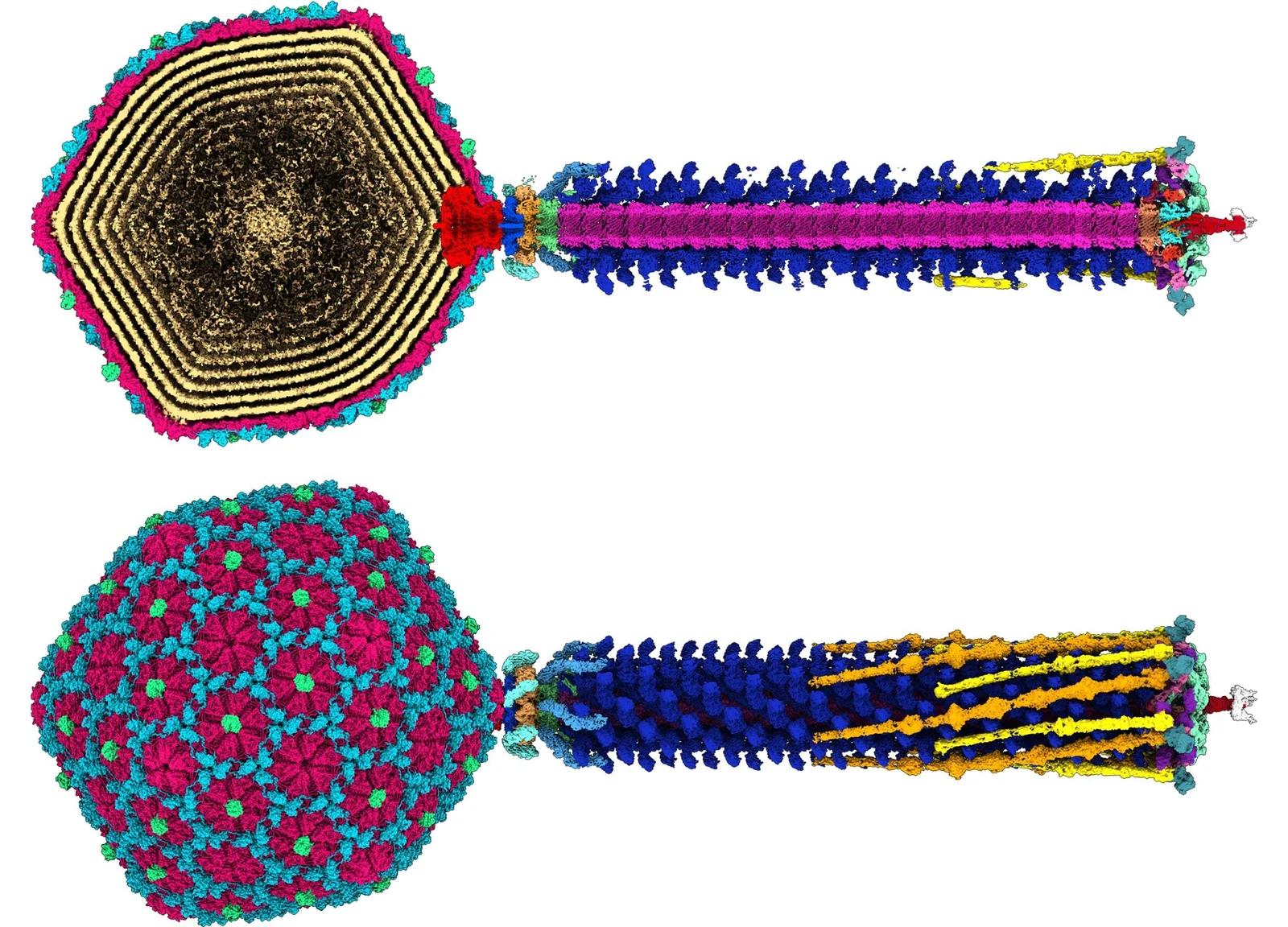
3D Blueprint of E. coli–Targeting Virus Bas63 Boosts Phage Therapy Prospects

Scientists released a high-resolution cryo-EM map of Bas63, a bacteriophage that infects E. coli, revealing how its tail and distinctive surface proteins enable infection and offering a framework to select and optimize phages for treating drug-resistant bacteria; the study also highlights deep evolutionary links between bacteriophages and herpesviruses and builds on prior viral-structure work by the same team.

ISS-evolved phages gain edge against Earth bacteria
science8 months ago

ISS-evolved phages gain edge against Earth bacteria

Researchers comparing E. coli infected with the T7 phage aboard the International Space Station to Earth controls found microgravity altered infection dynamics and drove space-exposed bacteria and phages to accumulate distinct mutations. The ISS-evolved phages developed changes in receptor-binding proteins that improved their ability to infect bacteria, and when tested back on Earth they showed increased activity against common urinary tract infection–causing E. coli strains, suggesting space conditions could inform future phage therapies despite practical costs.

Space-born phages gain edge against Earth bacteria
health8 months ago

Space-born phages gain edge against Earth bacteria

Scientists studied bacteria and their viruses aboard the International Space Station and found that microgravity drives phages to evolve in ways that boost their ability to infect bacteria. When space-adapted phages were returned to Earth, they showed increased activity against common, drug-resistant E. coli strains, suggesting space-driven mutations could help optimize phage therapies for infections on Earth, though the practical costs of space-based research remain a consideration.

Microgravity reshapes phage–bacteria battles on the ISS
space-exploration9 months ago

Microgravity reshapes phage–bacteria battles on the ISS

A Space.com study compared T7 phage infections of E. coli in identical setups on the ISS and on Earth. In microgravity, infection slowed at short incubation times due to reduced fluid mixing and host stress, but after 23 days the infection could still proceed with fewer bacteria. The research also found microgravity-specific mutations in the phage genome, suggesting space conditions steer phage–host evolution differently. These results have implications for spaceflight microbiology and potentially for Earth-based phage therapies, though more work is needed to assess long-term health risks for astronauts.

Widespread Presence of Persistent Lytic Phages in Bacterial Genomes
biology9 months ago

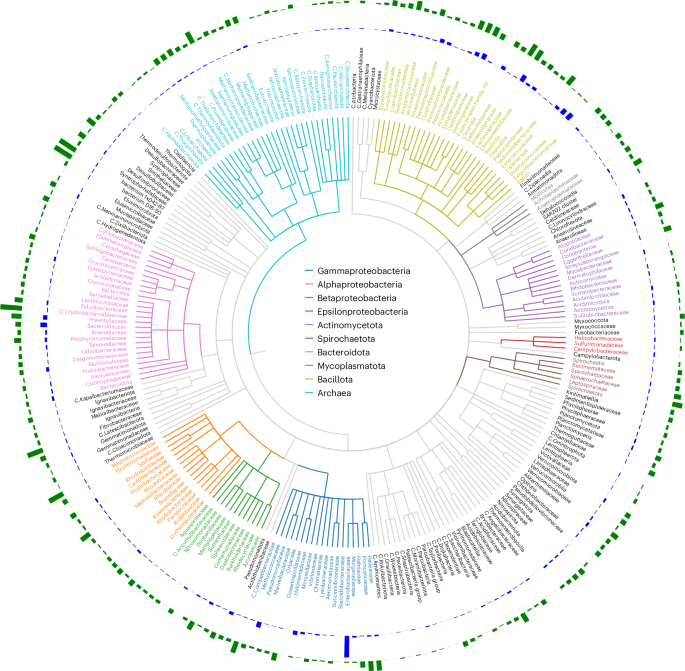
Widespread Presence of Persistent Lytic Phages in Bacterial Genomes

A large-scale genomic analysis revealed over 100,000 complete lytic phages embedded within bacterial genomes across diverse species and environments, challenging traditional phage classification and highlighting their potential in therapy and ecology. The study identified new phage lineages, expanded known groups, and found therapeutic phages naturally present in bacterial populations, suggesting a broader and more dynamic phage-bacteria interaction than previously understood.

Old Virus Therapy Offers New Hope Against Superbugs
health1 year ago

Old Virus Therapy Offers New Hope Against Superbugs

Researchers are revisiting phage therapy, an old method using viruses to kill bacteria, as a potential solution to the growing problem of antibiotic-resistant superbugs. A recent study highlights how bacteria like Bacillus subtilis defend themselves against phages, revealing new insights that could improve phage therapy's effectiveness. Despite challenges such as immune system interference, the renewed interest aims to develop alternative treatments to antibiotics amid a looming public health crisis.

Bacteria-Eating Virus Discovered in Toilet
health1 year ago

Bacteria-Eating Virus Discovered in Toilet

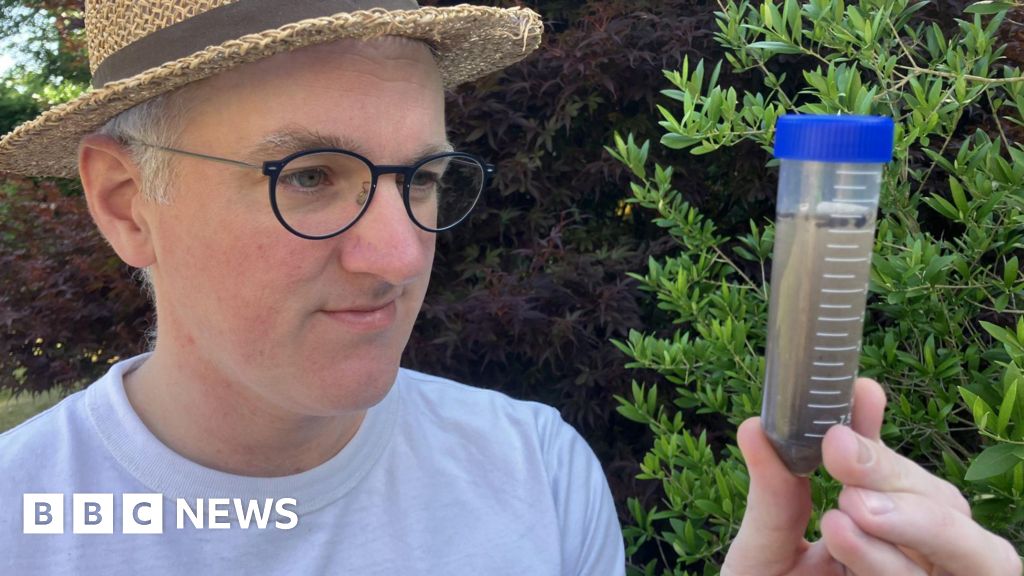
A researcher discovers a bacteriophage in toilet water that can kill bacteria causing infections, highlighting the potential of phage therapy as an alternative to antibiotics amid rising antimicrobial resistance. The process involves collecting samples, isolating phages, and testing their ability to target specific bacteria, with promising results for treating infections like urinary tract infections and lung infections. Phage therapy, a century-old concept, is gaining renewed interest due to the growing threat of superbugs and the limitations of antibiotics.

Phage Therapy: The Viral Solution to Antibiotic Resistance
health1 year ago

Phage Therapy: The Viral Solution to Antibiotic Resistance

Phage therapy, which uses bacteriophages to target bacterial infections, is gaining renewed interest as an alternative to antibiotics, which are becoming less effective due to overuse and bacterial resistance. Scientists like Biswajit Biswas and Carl Merril are exploring how phages can persist in the body and potentially evolve to avoid being filtered out by the immune system, offering hope against antibiotic-resistant superbugs. This approach, once overshadowed by antibiotics, is being revisited as a promising solution to combat rising bacterial resistance.

"Phage Therapy Cures Resistant Wounds in Siamese Cat"
veterinary-medicine2 years ago

"Phage Therapy Cures Resistant Wounds in Siamese Cat"

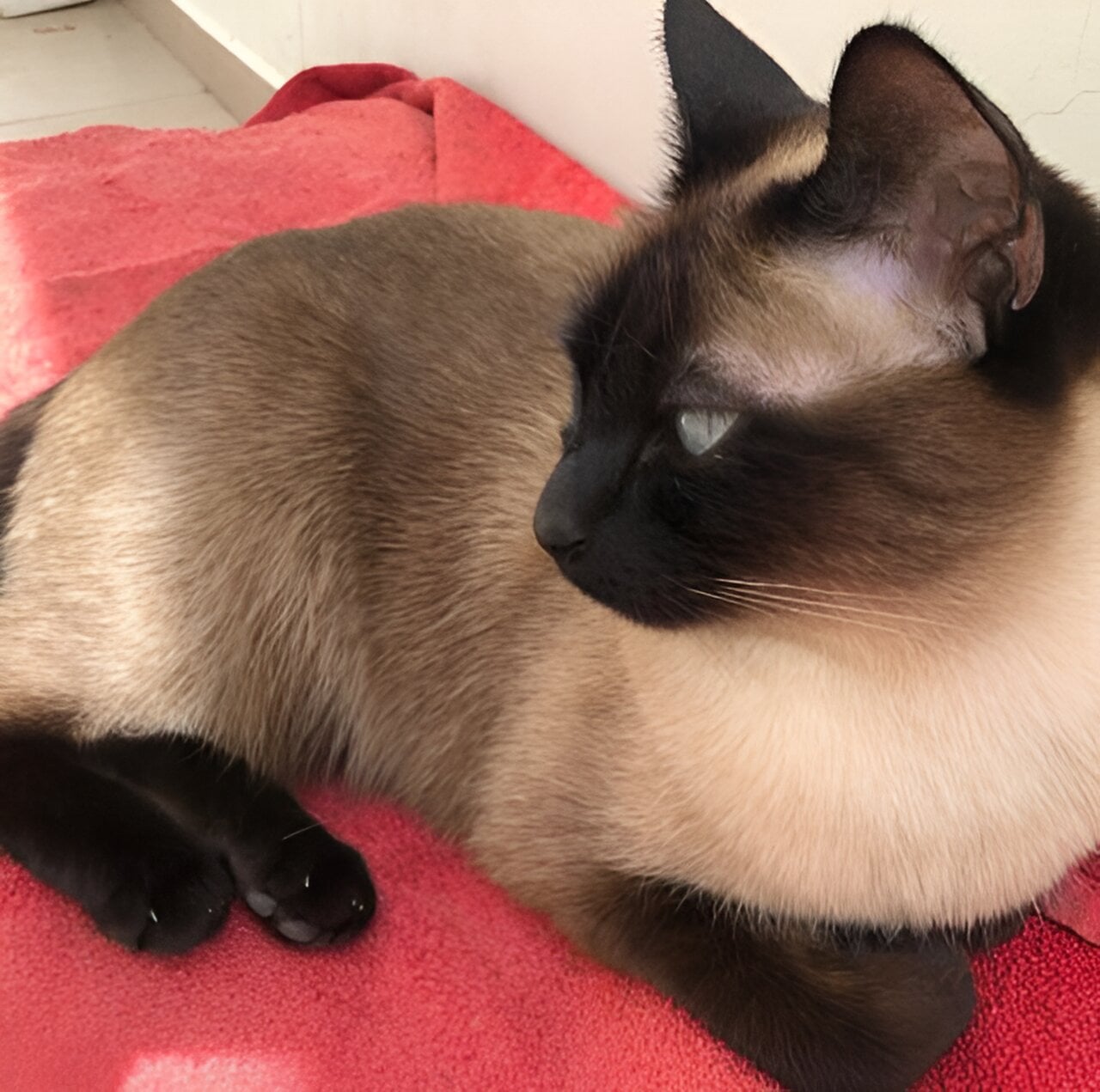
A study led by Prof. Ronen Hazan demonstrated the successful use of personalized phage therapy to treat a multidrug-resistant Pseudomonas aeruginosa infection in a Siamese cat named Squeaks. This marks the first documented application of such therapy in veterinary medicine, highlighting its potential to address antibiotic-resistant infections in animals. The treatment involved a combination of a specific anti-P. aeruginosa phage and ceftazidime, leading to the complete healing of the cat's surgical wound after fourteen weeks.