
Airborne debris and neighborhood greenery emerge as key factors in brain health
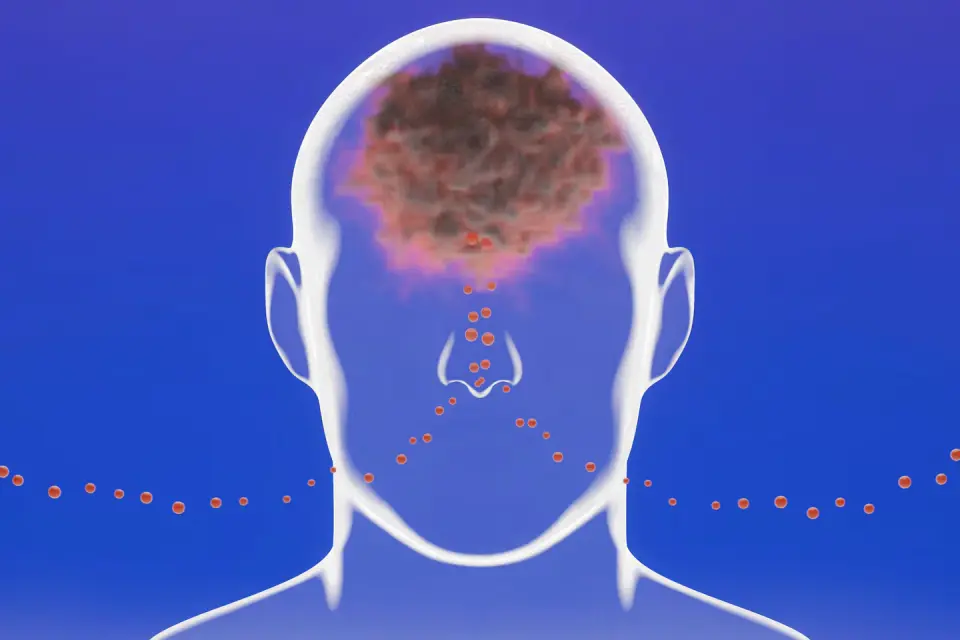
Recent research indicates that environmental factors, including airborne particles and local green space, significantly influence brain health and dementia risk. While pollutants may physically alter brain structure, proximity to vegetation offers protective benefits.
Key points
- Scientists found that human brains contain microplastics, silica, metals, and soot, suggesting air pollution may physically reshape brain tissue.
- A 16-year study of nearly 3,000 older adults in Sweden found that living within 100 meters of green space reduces dementia risk by 20%.
- Harvard researchers developed a predictive model linking 76 environmental exposures, including nitrogen dioxide and poor sleep, to Alzheimer’s disease risk.
- The protective effect of greenery is strongest in the immediate home environment and may be more pronounced for women.
- Researchers emphasize that environmental factors can be as significant as genetic variants in determining dementia risk.
Background
This development follows earlier findings that ultra-processed foods alter brain reward signals and that supplements like creatine may support cognitive health in aging populations. These studies collectively highlight the growing scientific focus on how external inputs, from diet to environment, influence neurological outcomes.
How outlets are covering it
The Washington Post emphasizes the physical intrusion of airborne debris into the brain, citing recent findings on microplastics and soot. In contrast, Stockholm University and Euronews focus on the protective benefits of green space, noting that vegetation buffers against pollution and stress. The Harvard Crimson highlights a broader predictive model that includes lifestyle and chemical exposures, cautioning that these correlations do not yet prove causation but offer tools for risk screening.
Why it matters
These findings suggest that urban planning and air quality regulations could directly impact public health outcomes, particularly for aging populations. Understanding the link between environment and brain health may lead to new strategies for preventing dementia and Alzheimer’s disease.
What to watch
Researchers are working to establish causal links between specific environmental exposures and dementia. Future studies may focus on how to design cities that maximize green space and minimize exposure to harmful airborne particles.
- A remarkable new picture is emerging of how the air around us could alter the brain The Washington Post
- Greenspace in the immediate surrounding of the home linked to lower dementia risk Stockholms universitet
- Harvard Study Predicts Environmental Risks for Alzheimer’s The Harvard Crimson
- Could your neighbourhood impact your dementia risk? Study says yes Euronews.com
- Living near trees and greenery may lower dementia risk Earth.com
Want the full story? Read the original reporting
Read on The Washington Post