
Caffeine May Alleviate Mood Disorders by Suppressing Brain Inflammation
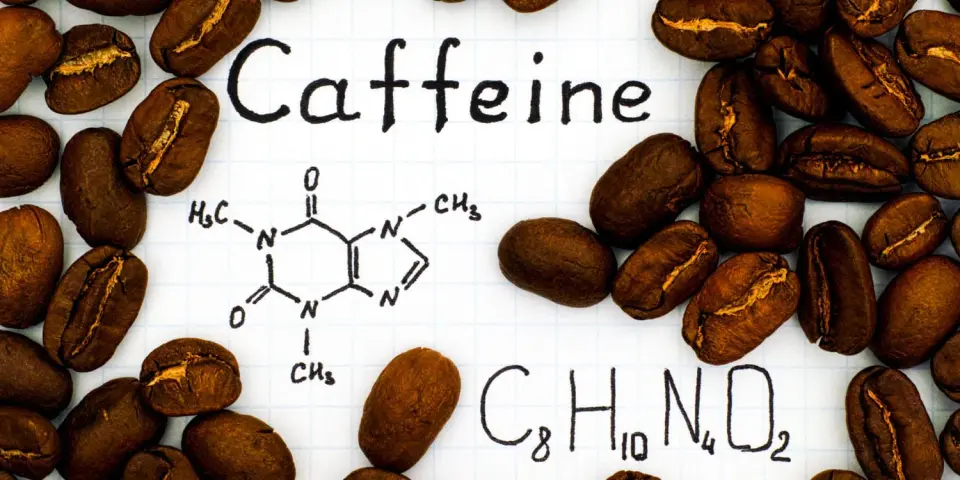
A systematic review of 17 rodent studies indicates that caffeine reduces anxiety and depression symptoms by lowering neuroinflammation. The findings, published in Translational Psychiatry, suggest caffeine blocks A2A receptors on immune cells, thereby preventing the release of pro-inflammatory cytokines that disrupt neurotransmitter balance. While the results are promising, they are based on animal models and require further human trials to determine safe dosages and efficacy across different demographics.
Key points
- A systematic review of 17 rodent studies found that caffeine consistently reduced behavioral signs of anxiety and depression.
- Caffeine appears to work by blocking A2A adenosine receptors on microglia and astrocytes, which are key immune cells in the brain.
- Blocking these receptors prevents the activation of neuroinflammation, a process linked to mood disorders through the disruption of dopamine and serotonin.
- In anxiety models, caffeine-treated rodents showed increased exploratory behavior and lower levels of oxidative stress and pro-inflammatory cytokines like interleukin-6.
- In depression models, caffeine helped maintain motivation and reward-seeking behaviors, sometimes matching the efficacy of standard antidepressants like imipramine.
- The review notes that while caffeine showed benefits, high doses can worsen anxiety, and most studies used adult male rodents, limiting generalizability to humans and other demographics.
Background
This finding aligns with recent research highlighting the role of inflammation in mental health. Previous coverage has noted that dietary interventions, such as basil extract and magnesium supplementation, can also influence anxiety and depression levels. Additionally, studies on anti-inflammatory foods like salmon and blueberries suggest that reducing systemic inflammation may have broader health benefits, including pain relief and improved mood. The current study adds to this body of evidence by specifically linking a common stimulant to neuroinflammatory pathways in the brain.
Why it matters
Understanding the anti-inflammatory properties of caffeine could lead to new, accessible strategies for managing mood disorders. If these findings translate to humans, it could offer a non-pharmacological or adjunctive approach to treating anxiety and depression, potentially reducing reliance on traditional medications. However, the variability in dosages and the lack of data on female and non-adult populations mean that caution is needed before recommending caffeine as a therapeutic tool.
What to watch
Future research will need to focus on human trials to determine the optimal dosage and consumption habits for harnessing caffeine's anti-inflammatory benefits. Studies should also include diverse populations, including females and different age groups, to ensure the findings are broadly applicable. Additionally, researchers will need to investigate the long-term effects of caffeine on neuroinflammation and whether it can be safely integrated into standard mental health treatments.
Want the full story? Read the original reporting
Read on PsyPost