
Moderna-Merck Melanoma Vaccine Trial Succeeds, but Misinformation Threatens Adoption
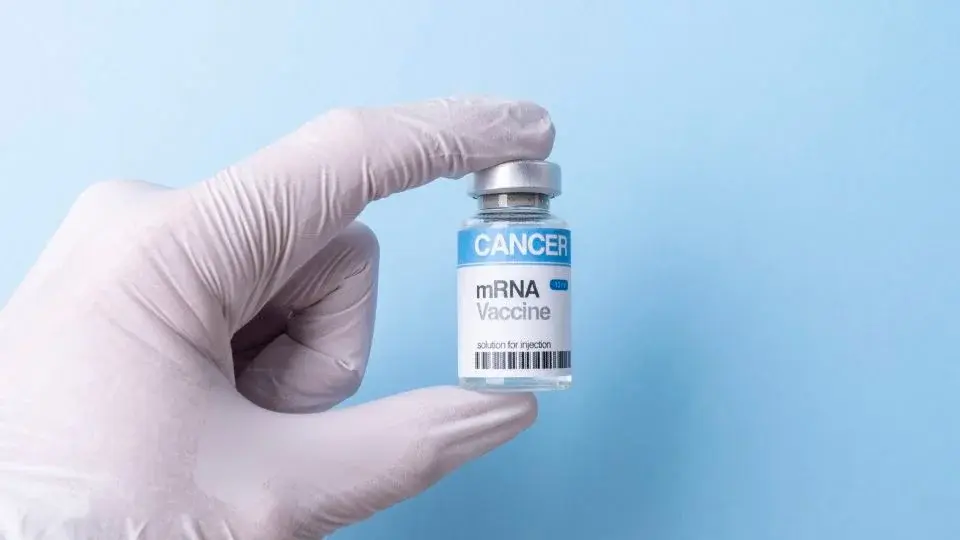
A late-stage trial for a personalized mRNA cancer vaccine has shown success in reducing melanoma recurrence, marking a significant milestone in oncology. However, the potential for this technology to transform cancer treatment is being threatened by widespread misinformation, specifically the unfounded 'turbo cancer' narrative that links mRNA vaccines to aggressive cancers. While scientific evidence supports the safety and efficacy of mRNA technology, public distrust fueled by social media myths could hinder patient adoption and slow the rollout of these life-saving therapies.
Key points
- Moderna and Merck announced on August 19, 2026, that their personalized mRNA vaccine, intismeran autogene, successfully reduced melanoma recurrence when combined with the immunotherapy drug Keytruda in a late-stage clinical trial.
- This success follows over 120 clinical trials since the early 2000s testing mRNA vaccines for various cancers, including melanoma, brain, breast, lung, and prostate cancer.
- The 'turbo cancer' narrative, which falsely claims COVID-19 mRNA vaccines cause aggressive cancers, has spread widely on social media since 2022, undermining public confidence in mRNA technology.
- Researchers note that while large population studies show no increased cancer risk from mRNA vaccines, misinformation persists through emotional anecdotes, misinterpreted studies, and conspiracy theories.
- Public distrust in mRNA technology could lead to patients declining effective cancer treatments, necessitating proactive communication strategies to counter misinformation and build trust before new therapies are widely introduced.
Background
The success of the Moderna-Merck trial builds on earlier developments in mRNA technology, including the FDA's approval of an mRNA flu vaccine in August 2026 and ongoing trials for Lynch syndrome cancer prevention. These advancements highlight the versatility of mRNA platforms, but they also face challenges from persistent public skepticism rooted in pandemic-era misinformation.
Why it matters
The efficacy of mRNA cancer vaccines depends not only on scientific breakthroughs but also on public trust. Misinformation can have real-world consequences, influencing patient decisions and potentially increasing mortality rates if individuals opt for unproven alternatives. Addressing this gap between scientific progress and public understanding is critical for realizing the full potential of mRNA therapies in cancer care.
What to watch
Health authorities and researchers are expected to focus on countering misinformation through transparent communication, equipping clinicians to address patient concerns, and designing public health messaging that builds trust in mRNA technology. Future trials, such as those for Lynch syndrome, will also test the preventive potential of mRNA vaccines, further expanding their applications in oncology.
Want the full story? Read the original reporting
Read on Yahoo News Singapore