
Creatine’s Mainstream Surge: Strong Muscle Data, Uncertain Brain Claims
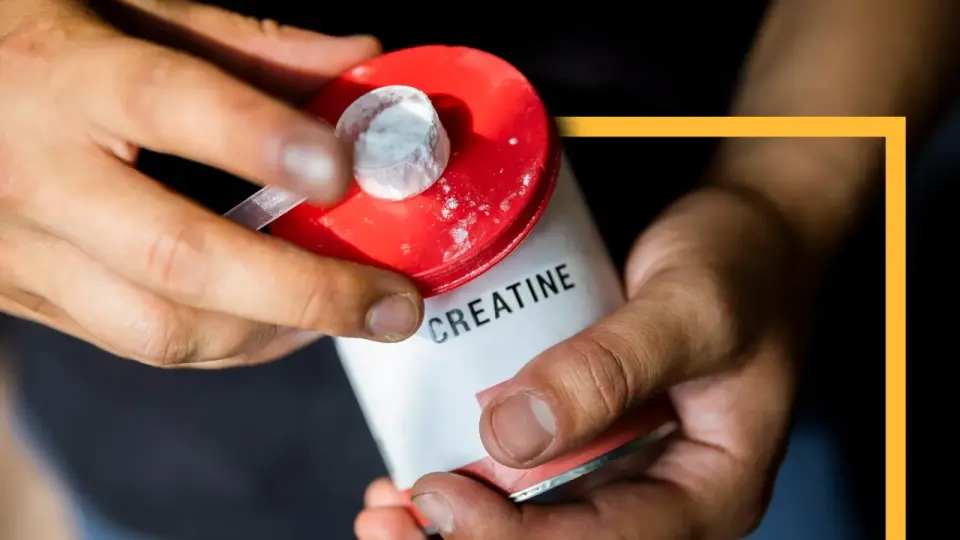
Creatine has moved from niche athletic use to mainstream wellness, driven by a 250% rise in search interest and social media endorsements. While evidence strongly supports its role in improving strength and muscle mass, particularly for older adults, claims regarding brain health and dementia prevention remain largely unproven. Experts emphasize that creatine is safe for healthy adults but is not a miracle cure, and myths about kidney damage or hair loss are not supported by current research.
Key points
- Google search interest for creatine has increased by approximately 250% over the past five years, with endorsements from physicians and celebrities like Bradley Cooper.
- A 2024 meta-analysis found that combining creatine with resistance training added about 4 kg of upper-body and 11 kg of lower-body strength in adults under 50.
- A 2026 meta-analysis confirmed that creatine is safe for healthy adults, showing no significant differences in kidney function compared to placebos, despite elevated creatinine levels.
- Research on cognitive benefits is limited; a 2025 review found only six relevant studies for adults over 55, with most being observational rather than controlled trials.
- A 2026 meta-analysis indicated that postmenopausal women taking at least 5g of creatine daily while resistance training gained lean mass, debunking the myth that it is ineffective for women.
Background
Creatine has long been associated with bodybuilding, but recent coverage has expanded its scope. Earlier reports in July 2026 highlighted preliminary animal studies suggesting creatine could enhance cancer immunotherapy by boosting immune cell energy, though these remain experimental. The current surge in popularity coincides with a broader cultural shift toward longevity and preventive health, moving the supplement beyond athletic performance into discussions about aging and cognitive decline.
How outlets are covering it
Straight Arrow provides a comprehensive overview, noting that while creatine is backed by extensive research, the 'brain hype' outpaces the evidence. Darren Candow, a professor at the University of Regina, cautions that while muscle benefits are firm, cognitive claims are speculative, noting that measuring brain creatine is expensive and difficult. GQ focuses on debunking common myths, such as the idea that creatine is a steroid or causes hair loss, citing a 2025 trial that found no link between creatine and DHT levels. The Independent’s content was largely obscured by technical code, but its title suggests a focus on energy and muscle growth, aligning with the mainstream view of creatine as a safe, effective supplement for general health. There is a consensus on safety, but a divergence on the extent of cognitive benefits, with some social media voices claiming it is a 'lifesaver' for the brain, while researchers like Samantha Marshall argue that for healthy young adults, it offers little cognitive benefit.
Why it matters
As creatine becomes a staple in mainstream wellness routines, understanding the distinction between proven benefits and speculative claims is crucial. The supplement’s safety profile is well-established, but consumers should be aware that its impact on brain health and disease prevention is not yet confirmed. This distinction is vital for managing expectations and avoiding the over-hyping of a supplement that is effective for muscle but not a cure-all for aging or cognitive decline.
What to watch
Researchers are planning larger randomized controlled trials to determine if creatine can prevent cognitive decline or Alzheimer’s. In the interim, experts recommend that individuals, especially older adults, consult with physicians before starting supplementation, particularly if they have existing kidney conditions. The focus will likely remain on optimizing dosages for muscle maintenance in aging populations, while the debate over brain benefits continues to evolve with new studies.
- Creatine is having a moment. Does the science back it up? Straight Arrow
- Creatine actually works — which is exactly why you should read the fine print The Hill
- 3 Big Myths About Creatine, Debunked by Experts GQ
- Creatine: The cheap supplement that can boost energy levels and support muscle growth The Independent
- No bulk, all strength: how creatine can help women boost performance South China Morning Post
Want the full story? Read the original reporting
Read on Straight Arrow