
Daily Peanuts May Alter Brain Insulin Response in Older Adults
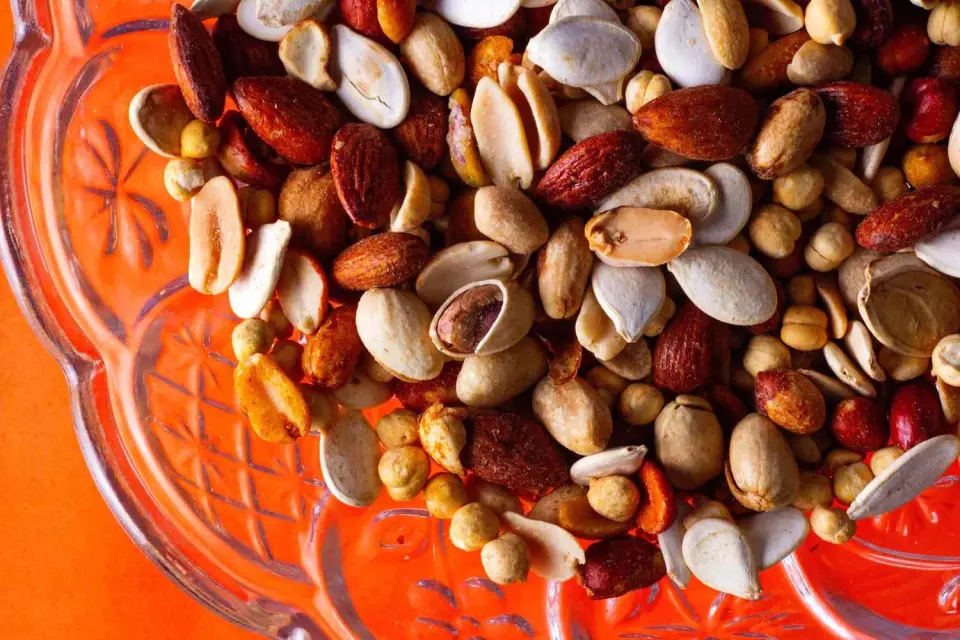
A 16-week trial at Maastricht University Medical Center found that consuming 60 grams of unsalted, skin-on roasted peanuts daily changed how insulin affected memory-related brain regions in adults aged 60 to 75. While the study suggests potential cognitive benefits, it does not prove that peanuts prevent dementia or improve memory.
Key points
- Researchers recruited 31 healthy volunteers aged 60 to 75 with no history of diabetes or heart disease.
- Participants consumed 60 grams of unsalted, skin-on roasted peanuts daily for 16 weeks, followed by an eight-week break and another 16 weeks without peanuts.
- MRI scans after nasal insulin administration showed reduced blood flow changes in right-side brain regions, including the hippocampus and lingual gyrus, suggesting improved insulin efficiency.
- No significant changes were observed in liver fat, fasting blood sugar, cholesterol, or inflammation levels.
- The study was funded by The Peanut Institute Foundation, which had no role in the research conduct or reporting.
Background
Previous coverage from our archive in late October and early November 2026 highlighted this same study, emphasizing that while daily peanut consumption may enhance cerebral insulin responsiveness, it does not establish a link to preventing Alzheimer's disease or other forms of dementia. The current report adds detail on the specific brain regions affected and the role of nitric oxide precursors like L-arginine in peanuts.
Why it matters
Understanding how dietary habits influence brain insulin sensitivity could offer non-pharmacological strategies for maintaining cognitive health in aging populations. However, the small sample size and lack of direct memory testing mean these findings require further validation before being adopted as medical advice.
What to watch
Future research will likely focus on larger, more diverse populations to determine if these brain changes translate to measurable improvements in memory or cognitive function. Researchers may also investigate whether specific nutrients in peanuts, such as unsaturated fats or L-arginine, are responsible for the observed effects.
Want the full story? Read the original reporting
Read on Food & Wine