
Daily Peanuts May Boost Brain Insulin Response in Older Adults, Study Finds
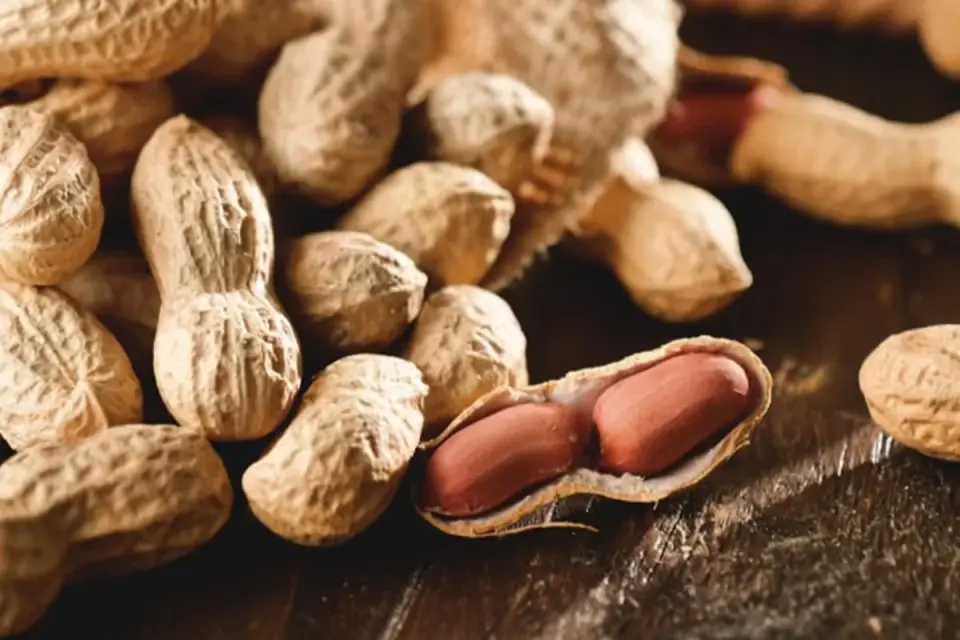
A 16-week trial at Maastricht University found that eating 60 grams of unsalted, skin-roasted peanuts daily improved insulin responsiveness in memory-related brain regions among adults aged 60 to 75. While the study suggests potential cognitive benefits, researchers caution that it does not prove peanuts prevent Alzheimer's disease.
Key points
- 31 healthy adults aged 60-75 consumed 60g of peanuts daily for 16 weeks in a randomized crossover trial.
- Brain imaging showed a 4% increase in overall blood flow and improved insulin response in the hippocampus and other memory areas.
- Researchers attribute benefits to a combination of nutrients, including L-arginine, unsaturated fats, and fiber, rather than a single compound.
- The study builds on 2025 research showing similar improvements in cerebral blood flow and verbal memory performance.
- Experts emphasize that these findings do not confirm peanuts prevent dementia or cognitive decline, requiring larger long-term studies.
Background
This research follows a trend in 2026 linking lifestyle factors to Alzheimer's risk. Earlier this year, a Finnish study identified ten health issues preceding early-onset diagnosis, while a University of Florida study linked glucosamine supplements to faster dementia progression. Additionally, recent data suggests modest daily walking may slow Alzheimer's progression. The current peanut study adds dietary intervention to this growing body of evidence regarding cognitive protection.
How outlets are covering it
The Independent and Euronews highlight the potential for peanuts to support memory by improving insulin signaling, a process that weakens with age. Science Daily provides technical detail, noting the use of nasal insulin administration and MRI scans to measure blood flow in specific right-hemisphere regions like the lingual gyrus. The New York Post frames the finding as a 'superfood' benefit, mentioning telomere preservation, though this specific claim is not detailed in the primary study. All sources agree that the study is small (31 participants) and does not prove peanuts prevent Alzheimer's, but they differ in emphasis: The Independent focuses on the mechanism of insulin responsiveness, while Euronews stresses the need for larger trials to confirm long-term cognitive benefits.
Why it matters
As age-related cognitive decline becomes a major public health concern, identifying simple dietary interventions that support brain health is critical. If daily peanut consumption can enhance insulin responsiveness in memory centers, it could offer a low-cost, accessible strategy for older adults to maintain cognitive function, potentially reducing the burden of dementia-related care.
What to watch
Researchers plan to conduct larger-scale studies with longer follow-up periods to determine if the observed improvements in brain insulin response translate into sustained cognitive benefits or actual prevention of dementia. Future trials will also aim to isolate the specific nutrients in peanuts responsible for these effects.
- The common nut that could protect against Alzheimer’s if eaten daily The Independent
- Scientists discover a surprising brain benefit of eating peanuts every day Science Daily
- Popular snack may protect the aging brain when eaten every day: study New York Post
- What happens to the brain when you eat peanuts daily? New study reveals striking results Euronews.com
- Can eating peanuts each day keep memory problems away? Kursiv Media Узбекистан
Want the full story? Read the original reporting
Read on The Independent