
Danish University Approves Controversial Hepatitis B Trial in Guinea-Bissau Despite Ethical Protests
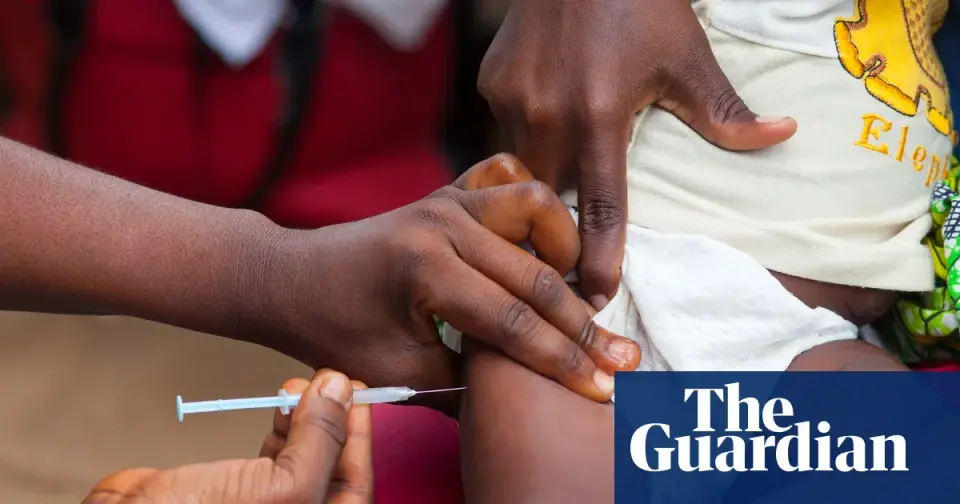
The University of Southern Denmark has approved a controversial clinical trial in Guinea-Bissau that will withhold hepatitis B vaccines from half of 14,000 newborns. The study, funded by the US CDC and linked to HHS Secretary Robert F. Kennedy Jr., aims to test potential harms of the birth dose. Critics condemn the design as unethical, arguing it exposes vulnerable infants to preventable disease, while supporters note the country does not yet routinely vaccinate newborns. The trial remains suspended pending final government authorization in Guinea-Bissau.
Key points
- The University of Southern Denmark’s ethics committee approved the trial this week, despite resignations from three members who cited ethical violations.
- The study will enroll 14,000 infants in Guinea-Bissau, randomly assigning half to receive the hepatitis B vaccine at birth and withholding it from the other half for six weeks.
- The US CDC has reserved $1.6 million for the project, which is also supported by the Pershing Square Foundation and the Bluebell Foundation.
- HHS Secretary Robert F. Kennedy Jr. praised the Danish researchers at a recent anti-vaccine conference, aligning the trial with his administration’s skepticism of vaccine mandates.
- Guinea-Bissau’s health minister, Quinhin Nantote, previously suspended the trial after international outcry but has since greenlit the project, though final national authorization is still pending.
- The revised protocol requires testing mothers for hepatitis B before birth; babies of positive mothers will be vaccinated and excluded from the trial, but the test has a 5% false-negative rate.
Background
This trial follows a period of intense scrutiny regarding vaccine policies in the US and global health equity. In August 2026, Guinea-Bissau faced a mpox outbreak, highlighting ongoing challenges in public health infrastructure. Additionally, the country recently approved a constitutional overhaul expanding presidential powers, which may influence its approach to international health agreements. The current trial contrasts with previous WHO recommendations that all newborns receive the hepatitis B vaccine, a standard practice in many high-income nations but not yet implemented in Guinea-Bissau, where the virus affects approximately 18% of adults.
How outlets are covering it
The Guardian and CIDRAP emphasize the ethical concerns, noting that the trial exposes infants to a preventable disease that can cause lifelong liver damage. Paul Offit, an infectious disease physician, criticized the trial as exploiting a developing country to advance a US political agenda. In contrast, the Bandim Health Project, led by researchers Peter Aaby and Christine Stabell Benn, argues the trial is ethical because Guinea-Bissau does not currently provide the birth dose routinely, meaning no child receives fewer vaccines than under current national policy. Ars Technica highlights that Danish authorities are investigating allegations of scientific misconduct related to previous studies by the same researchers, adding a layer of credibility concerns. While the CDC and HHS have not responded to inquiries, the Africa CDC has indicated ongoing discussions between the US and Guinea-Bissau governments regarding the trial’s implementation.
Why it matters
The approval of this trial raises significant questions about the ethics of medical research in developing nations and the influence of US political figures on global health policy. It tests the boundaries of the Declaration of Helsinki, which requires that research participants receive the best proven medical intervention. If the trial proceeds, it could set a precedent for withholding proven vaccines in favor of studying speculative harms, potentially undermining public trust in vaccination efforts worldwide. Furthermore, the involvement of high-profile figures like RFK Jr. and billionaire Bill Ackman suggests a broader ideological push against standard vaccine practices, which could impact funding and policy for other immunization programs.
What to watch
The trial cannot begin until Guinea-Bissau grants final national authorization, which is currently pending. The Africa CDC expects to provide updates on the implementation status shortly. If approved, the study will monitor outcomes such as mortality, skin conditions, and neurodevelopmental issues over the next several months. Meanwhile, advocacy groups like Stand Up for Science are exploring legal and diplomatic actions to prevent the trial from proceeding. The outcome will likely influence future international guidelines on vaccine research ethics and the role of government funding in global health studies.
- Controversial vaccine trial touted by RFK Jr gets go-ahead in Guinea-Bissau The Guardian
- Outrage grows as CDC reportedly poised to fund "unethical" vaccine trial Ars Technica
- Hepatitis B vaccine study condemned as unethical wins approval from Danish university CIDRAP
- CDC Is Moving Forward With a Previously Shelved Controversial Hepatitis B Vaccine Study Rolling Stone
- CDC director’s office ordered $1.6 million reserved for Guinea-Bissau trial — Ars Technica UA.NEWS
Want the full story? Read the original reporting
Read on The Guardian