
Idaho Lab’s Untrained Cancer Alerts Prove Dogs Smell More Than Diabetes
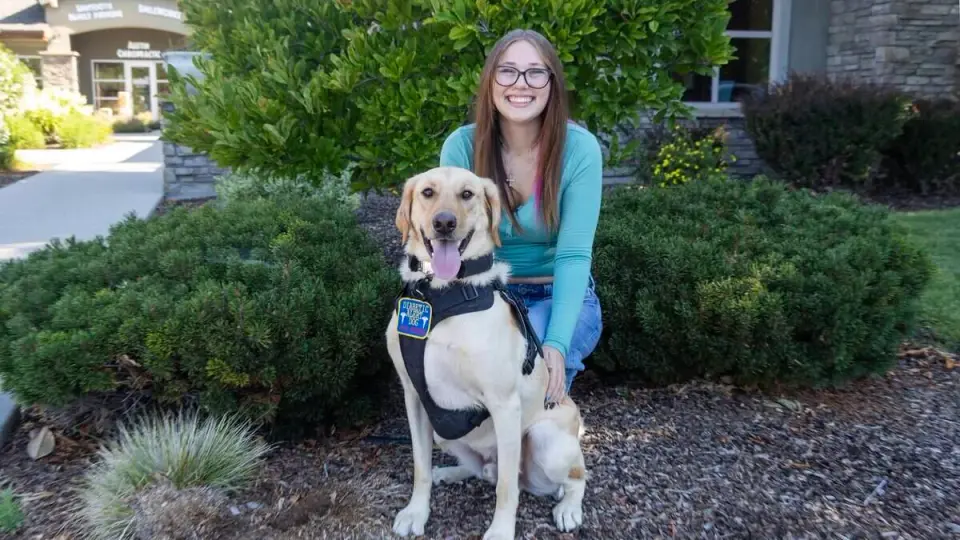
A yellow lab named Barkley, trained to alert his owner Jaylin Dozier to blood sugar fluctuations, has unexpectedly detected multiple cancer cases in clinic patients. While Barkley was adopted from the Idaho Humane Society to assist with Type 1 diabetes, his untrained growling behavior led nurse practitioner Amanda Dozier to discover skin and thyroid cancers in visitors. This anecdotal evidence highlights the potential of canine olfactory senses in early disease detection, complementing existing medical devices.
Key points
- Jaylin Dozier, 16, was diagnosed with Type 1 diabetes in July 2024 after her mother, Amanda Dozier, found her blood sugar levels were too high for standard testing machines to read.
- The family adopted Barkley, a yellow lab from the Idaho Humane Society, specifically for his obsessive love of balls, a trait trainers use to motivate service dogs.
- Barkley was trained to detect low and high blood sugar using saliva and sweat samples, alerting via subtle ear movements or persistent bumping if Jaylin became unconscious.
- During socialization visits to Amanda’s clinic, Barkley growled at office manager Ami O’Gorman and patient Russell Shipman, both of whom were subsequently diagnosed with skin cancer.
- Amanda Dozier hypothesizes that rapidly dividing cancer cells produce a distinct scent detectable by dogs, whose olfactory capabilities are 10,000 to 100,000 times stronger than humans.
- Barkley successfully alerted to a hypoglycemic episode in Arizona before Jaylin’s continuous glucose monitor registered the drop, demonstrating superior speed in detecting acute changes.
Background
Recent medical research, as noted in our archive, has explored how dietary timing and fiber intake influence glucose control, alongside new findings that metformin acts on the hypothalamus to lower blood sugar. These developments underscore the complex biological mechanisms of diabetes management. However, the Dozier family’s experience highlights a gap in current technology, where devices can malfunction or miss rapid changes, making biological sensors like service dogs a critical backup for patients with Type 1 diabetes.
Why it matters
This story illustrates the potential for canine olfactory detection to serve as an early warning system for diseases like cancer, complementing traditional medical diagnostics. It also highlights the practical benefits of service dogs in managing chronic conditions like diabetes, providing real-time alerts that may precede electronic device readings. The anecdotal evidence suggests that dogs may detect physiological changes earlier than current technology, potentially improving patient outcomes through early intervention.
What to watch
Amanda Dozier continues to monitor Barkley’s alerts in her clinic, noting that most patients he growls at are diagnosed with cancer. While she remains skeptical without scientific proof, she trusts his nose over some medical tests. The family will continue using Barkley for diabetes alerts, and patients may increasingly request his presence for informal cancer screening.
Want the full story? Read the original reporting
Read on Idaho Statesman