Tag

Cancer Detection

All articles tagged with #cancer detection

Body Odors May Offer New Diagnostic Clues for Alzheimer’s and Cancer
health22 days ago

Body Odors May Offer New Diagnostic Clues for Alzheimer’s and Cancer

Scientists are advancing the use of body odors as diagnostic tools for diseases like Alzheimer’s and cancer. While nurses have long relied on smell to detect infections, new research is formalizing these observations into medical applications. The Washington Post reports that advancements in analyzing molecules from breath and skin are turning this potential into reality, moving beyond anecdotal evidence to structured scientific inquiry.

Celebrities and Clinics Push Whole-Body MRIs, But Doctors Warn Against Routine Use
health2 months ago

Celebrities and Clinics Push Whole-Body MRIs, But Doctors Warn Against Routine Use

A surge in celebrity endorsements and retail longevity clinics has popularized elective whole-body MRI scans, but medical experts warn that these tests lack evidence for asymptomatic, average-risk individuals. While high-profile cases like Busy Philipps’s brain tumor diagnosis highlight potential benefits, the American College of Radiology advises against routine screening due to high costs, false positives, and a lack of proven life-saving outcomes.

Pocket-Sized Fluorometer Matches Lab Accuracy for Cancer and HIV Detection
science-and-technology2 months ago

Pocket-Sized Fluorometer Matches Lab Accuracy for Cancer and HIV Detection

Researchers at the University of Illinois Urbana-Champaign have developed a handheld device called the VPodDuo that performs fluorescence assays with accuracy comparable to expensive laboratory equipment. The device, roughly the size of an AirPod case, can detect pathogens like HIV and Zika, as well as cancer biomarkers including microRNA and circulating tumor DNA. Published in the IEEE Sensors Journal in July 2026, the technology aims to bring sophisticated diagnostics to home settings to enable earlier detection and preventable deaths. While the device has shown promising results in initial tests, it is not yet commercially available as researchers work on automating sample processing.

Why Routine PSA Screening Remains Controversial Despite High Prostate Cancer Rates
health2 months ago

Why Routine PSA Screening Remains Controversial Despite High Prostate Cancer Rates

Prostate cancer is the most common invasive cancer in men, with 330,000 new cases expected in 2026, yet doctors do not automatically order PSA blood tests for all patients. The test detects prostate-specific antigen levels, which can indicate cancer, but its use is debated due to the slow-growing nature of the disease and the potential for overdiagnosis. While early detection offers curative options like surgery or radiation, the lack of universal screening reflects ongoing medical uncertainty about the benefits versus harms of routine testing.

Idaho Lab’s Untrained Cancer Alerts Prove Dogs Smell More Than Diabetes
health-and-science3 months ago

Idaho Lab’s Untrained Cancer Alerts Prove Dogs Smell More Than Diabetes

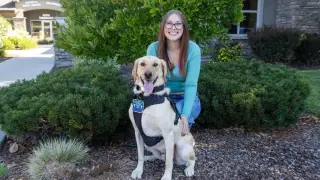
A yellow lab named Barkley, trained to alert his owner Jaylin Dozier to blood sugar fluctuations, has unexpectedly detected multiple cancer cases in clinic patients. While Barkley was adopted from the Idaho Humane Society to assist with Type 1 diabetes, his untrained growling behavior led nurse practitioner Amanda Dozier to discover skin and thyroid cancers in visitors. This anecdotal evidence highlights the potential of canine olfactory senses in early disease detection, complementing existing medical devices.

MethylScan: A Low-Cost Blood Test for Early, Multi-Disease Detection
biotechnology7 months ago

MethylScan: A Low-Cost Blood Test for Early, Multi-Disease Detection

UCLA researchers report MethylScan, a simple, affordable test that analyzes DNA methylation in circulating cell-free DNA to detect multiple cancers and liver diseases, and to indicate tissue of origin and organ health. In 1,061 samples, it achieved about 98% specificity, ~63% cancer detection across stages (~55% for early-stage) and ~80% detection of liver cancers in high‑risk groups, with a sequencing depth of ~300× costing under $20 per test as costs fall. By reducing background DNA, it functions as a system-wide health monitor, though larger prospective studies are needed to confirm real-world effectiveness.

Major UK Trial Undermines Promise of Galleri Multi-Cancer Blood Test
health9 months ago

Major UK Trial Undermines Promise of Galleri Multi-Cancer Blood Test

In a large UK trial of 142,000 adults over three years, Grail's Galleri multi-cancer blood test did not reduce late-stage cancers (stages 3–4), though researchers noted a secondary signal of fewer Stage 4 cancers; the test remains FDA-unapproved, is sold with limited insurer coverage, and Medicare coverage remains under legislative review.

Grail's Galleri multi-cancer test misses primary endpoint in NHS study, fueling skepticism
biotech9 months ago

Grail's Galleri multi-cancer test misses primary endpoint in NHS study, fueling skepticism

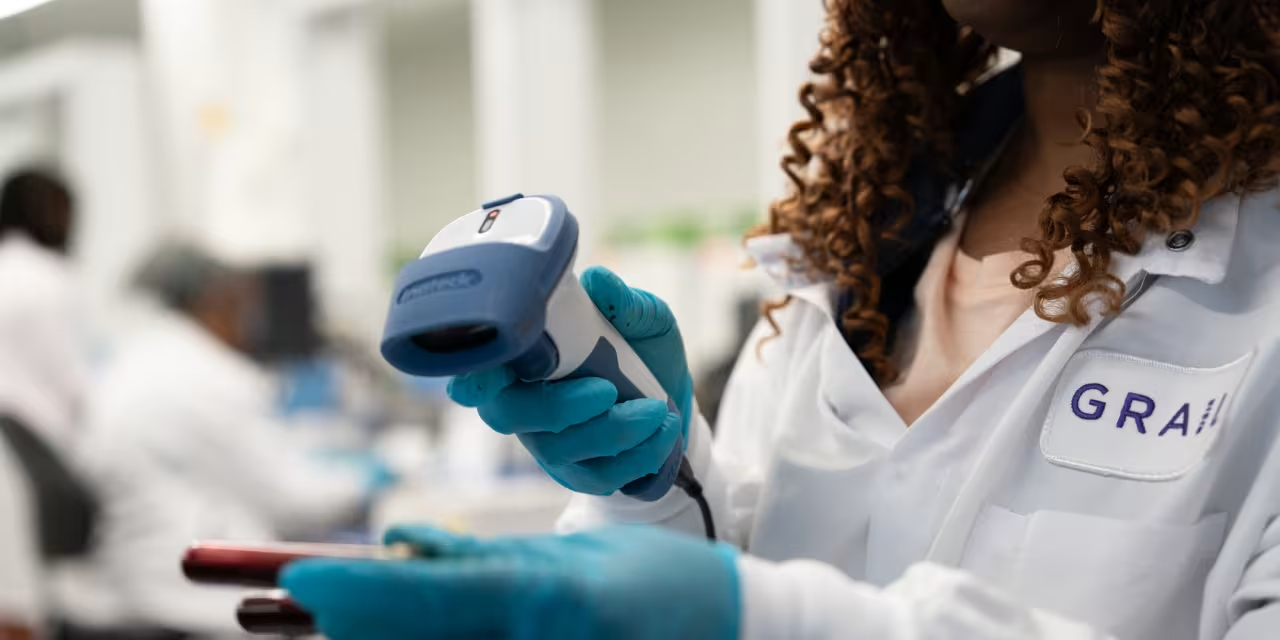
Grail's Galleri blood test for early cancer detection failed to meet its primary endpoint in a large NHS-backed study, renewing questions about its clinical utility despite some detected benefits. Grail reported selling 185,000 tests in 2025 for $136.8 million, and its stock fell about 47% after hours following the setback.

Advances in Blood Tests Promise Early Detection and Improved Cancer Outcomes
health11 months ago

Advances in Blood Tests Promise Early Detection and Improved Cancer Outcomes

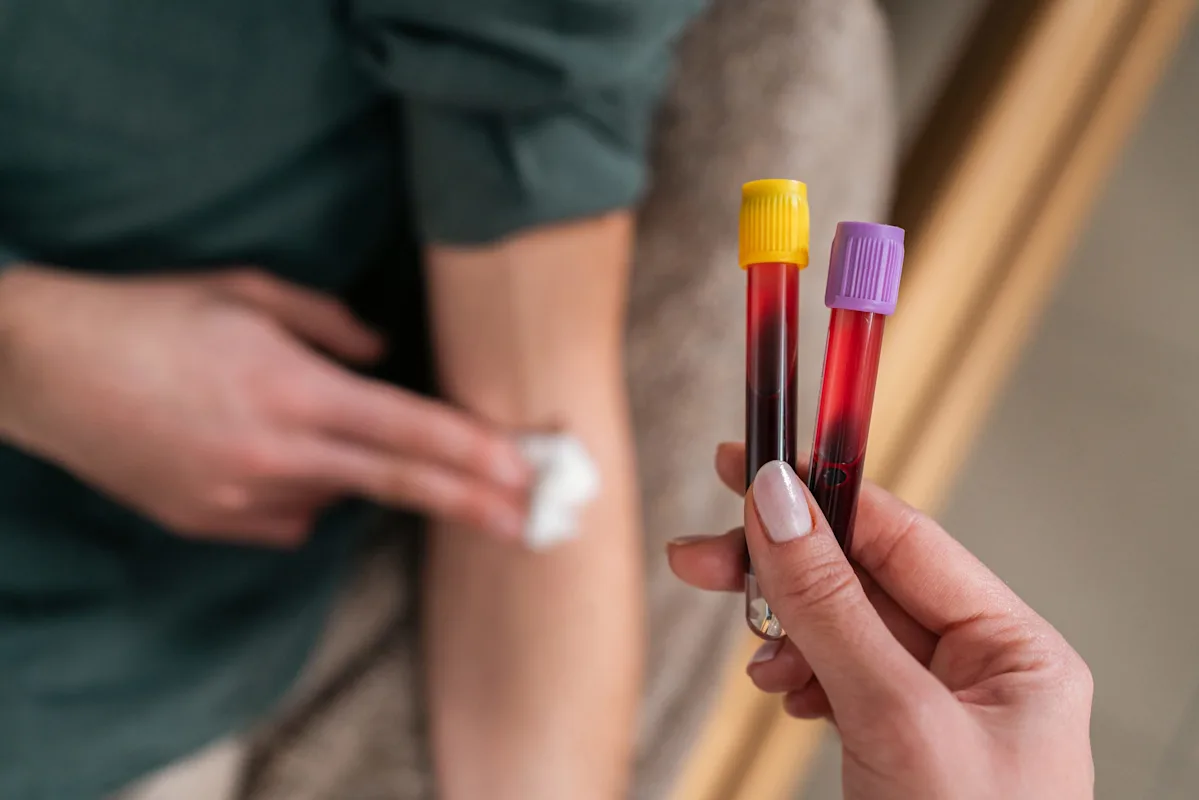
New blood tests capable of detecting multiple cancers simultaneously show promise for earlier diagnosis and improved cancer care, but currently face challenges such as high false-positive rates, lack of standardization, and integration into clinical practice. Experts believe these tests will improve over time and could revolutionize cancer diagnostics, though more research and validation are needed.