
EBV Reactivation Marks Immune System Weeks Before MS Relapse
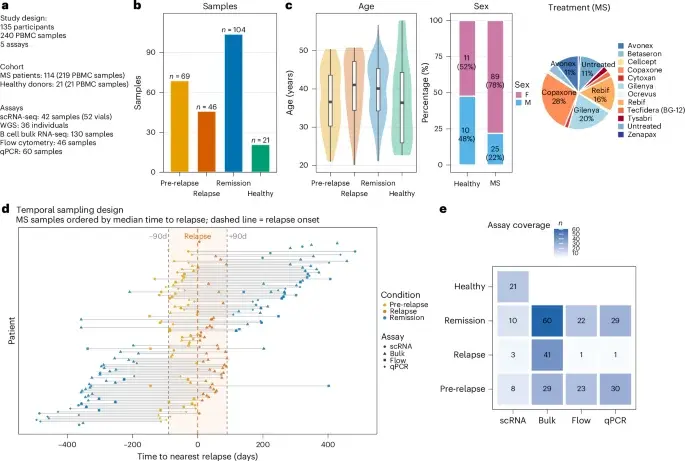
A new study in Nature Medicine reveals that Epstein-Barr virus (EBV) reactivation in the peripheral immune system precedes multiple sclerosis (MS) relapses by up to three months. Researchers identified specific changes in monocytes and atypical B cells that correlate with both viral activity and genetic risk factors, suggesting a direct link between viral reactivation and disease flare-ups.
Key points
- Analysis of blood samples from 15 MS patients showed immune changes starting up to three months before clinical relapse.
- Pre-relapse signatures in monocytes and B cells were enriched for genes responsive to EBV lytic reactivation.
- Atypical B cells (CD11c+) expanded and displayed EBV surface proteins before symptoms appeared.
- These immune changes overlapped with known MS genetic risk loci and EBV viral enhancers.
- The study suggests EBV reactivation in genetically predisposed individuals is a proximal trigger for relapse.
Background
Previous research has established EBV as a major risk factor for MS, with over 200 genetic loci linked to immune regulation. Recent studies also highlighted how peripheral immune cells can drive central nervous system inflammation in other neurodegenerative conditions. This new work builds on those findings by providing a time-resolved map of the immune system's response to viral reactivation specifically in MS patients.
Why it matters
Understanding the pre-relapse immune landscape could lead to new biomarkers for predicting MS flare-ups and identifying targets for early intervention. If EBV reactivation is a consistent precursor, therapies aimed at suppressing viral activity or modulating specific B cell populations might prevent relapses before they occur.
What to watch
Researchers must now determine how these peripheral immune changes translate to lesion formation in the central nervous system. Future studies will likely focus on longitudinal tracking of these biomarkers in larger cohorts and testing whether interventions targeting EBV or atypical B cells can reduce relapse rates.
Want the full story? Read the original reporting
Read on Nature