
ETH Zurich Team Develops Wireless Implant to Electrically Remove Blood Sugar
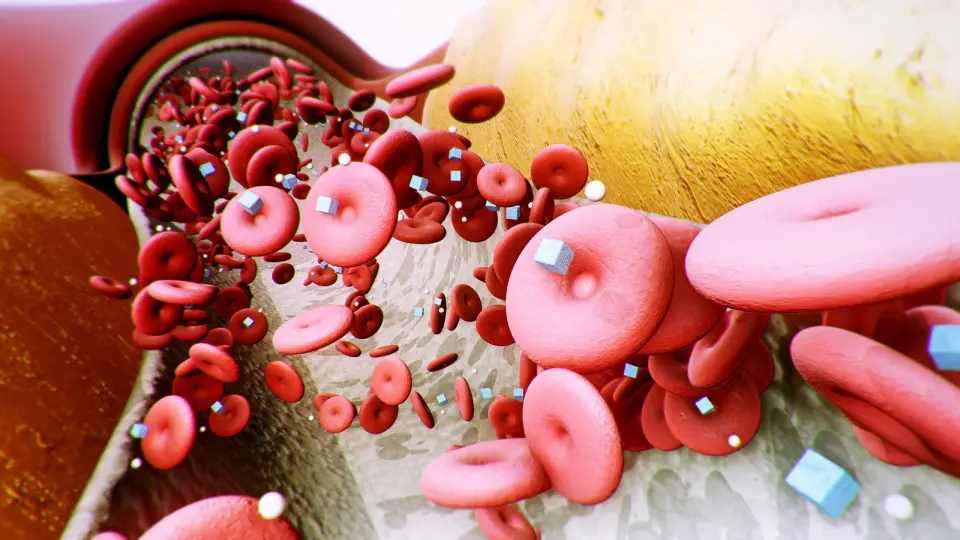
Researchers at ETH Zurich have developed an experimental, wireless implant that removes excess glucose from the blood using a controlled electrochemical reaction. Published in Science on October 22, the device converts sugar into a harmless byproduct called gluconate. In mouse trials, the implant, paired with a continuous glucose monitor, stabilized blood sugar levels and resulted in a 10% average weight loss over six weeks. The system is controlled via smartphone, which adjusts power input based on real-time glucose data to prevent hypoglycemia. While promising for treating type 2 diabetes and obesity, the technology remains in the proof-of-concept stage and requires further testing in larger animals and humans to ensure safety and efficacy at human scales.
Key points
- The device is an inch-long reactor that uses gold and platinum nanoparticles on a graphite felt electrode to convert glucose into gluconate.
- It operates wirelessly, receiving low-level radio frequency energy from a smartphone to generate the DC current needed for the chemical reaction.
- A closed-loop system integrates with a continuous glucose monitor to automatically adjust glucose removal, preventing blood sugar from dropping below safe limits.
- In a six-week mouse study, implanted subjects showed stable blood sugar and lost an average of 10% of their body weight compared to untreated controls.
- The team tested the device in a 5-liter solution to simulate human blood volume, confirming it can handle larger glucose quantities, though human trials are the next step.
Background
This development adds to a growing array of non-pharmacological and technological approaches for managing diabesity. Recent archive coverage highlighted a 2026 study showing that high-fiber diets can outperform metformin for blood sugar control, as well as research from Kyoto University demonstrating that consuming olive oil before carbohydrates can blunt blood sugar spikes via hormone and nerve pathways. These findings, alongside the new implant, illustrate the diverse strategies being explored to address the global burden of type 2 diabetes and obesity, which affects over 790 million and 1 billion people, respectively.
Why it matters
Current treatments for type 2 diabetes and obesity, such as metformin and GLP-1 agonists, often focus on appetite suppression or insulin sensitivity rather than directly removing excess glucose. This new implant offers a potential alternative by targeting glucose directly through a physical-chemical process. If successful in human trials, it could provide an autonomous, drug-free method to manage blood sugar levels, potentially reducing the reliance on long-term medications and addressing the metabolic challenges associated with insulin resistance. However, it is intended as an adjunct to lifestyle changes, not a replacement for healthy nutrition or exercise.
What to watch
The research team at ETH Zurich plans to test the device in larger animal models to verify that the electrocatalytic reaction can handle the glucose volumes present in a human body. Following these preclinical studies, the goal is to initiate human clinical trials to assess long-term safety and catalytic efficiency. The team emphasizes that the device is not meant to replace lifestyle interventions but to serve as a powerful addition to the therapeutic toolbox for managing complex metabolic conditions.
- Scientists invent implant that can transform sugar in the blood to treat type 2 diabetes Live Science
- New Implant Lowers Blood Sugar Without Insulin: How It Works TechRepublic
- Electronic Implant May Offer Drug-Free Diabetes Treatment Technology Networks
- ETH Zurich’s electronic implant lowers blood sugar and body weight Yahoo
- Electronic Implant Lowers Blood Sugar in Diabetic Mice Labcompare
Want the full story? Read the original reporting
Read on Live Science