
Exeter-led £20m hub aims to halve dementia diagnosis time using AI
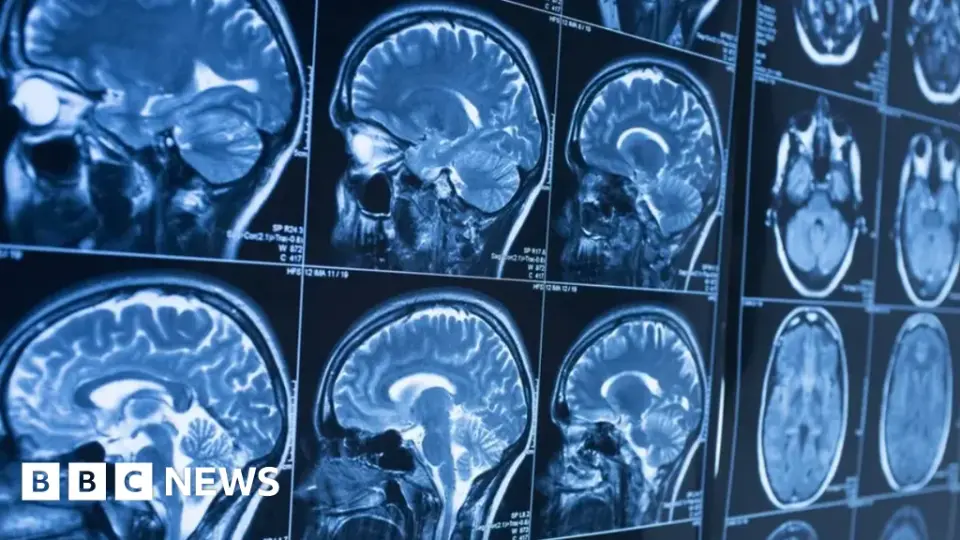
The BRAINIAC Hub, led by the University of Exeter, will receive £20 million to develop AI systems for early dementia detection. The six-year project aims to halve diagnosis times and identify at-risk individuals before symptoms appear, utilizing brain imaging, genetics, and blood biomarkers across 10 NHS clinics starting in 2029.
Key points
- The BRAINIAC Hub is funded by £10 million from the Engineering and Physical Sciences Research Council (EPSRC) and £10 million from industry, charity, and NHS partners.
- The project involves 11 universities, including Cambridge, Oxford, and Imperial College London, along with 10 NHS sites.
- AI tools will combine brain imaging, genetics, blood biomarkers, and digital cognitive tests to create a comprehensive view of brain health.
- The initiative aims to make assessment and diagnosis 30% to 50% faster and identify over 40% of assessed individuals at early risk before symptoms develop.
- The first clinics are scheduled to open in 2029, initially accessible via NHS referral, with a goal to support diagnosing 92% of referred patients within 18 weeks.
- The UK currently has approximately 982,000 people living with dementia, a number projected to reach 1.4 million by 2040, with annual costs expected to exceed £90 billion.
Background
This project is part of a broader UK government initiative announced in November 2026, which allocated £52 million to five new AI health hubs focused on early disease detection. While previous coverage highlighted the national strategy to shift healthcare from treatment to prevention for conditions like diabetes and heart disease, the BRAINIAC Hub specifically targets dementia. The University of Exeter has also been involved in other recent research, such as digital mate selection simulations and studies on butterfly wing patterns, but this new hub represents a significant shift toward large-scale clinical application of AI in neurology.
Why it matters
Dementia diagnosis is currently slow and often late, limiting the effectiveness of treatments that work best when applied early. By integrating multiple data sources into AI models, the BRAINIAC Hub seeks to detect risk factors before clinical symptoms emerge. This could significantly reduce the burden on the NHS, lower the projected £90 billion annual cost by 2040, and improve patient outcomes through personalized prevention plans. The project also addresses the 'hardest problem' of detection by aiming to identify early signs in a substantial portion of the population.
What to watch
The first BRAINIAC clinics are expected to begin operations in 2029. The project will run for six years, during which time the AI systems will be tested and refined in real-world NHS settings. The goal is to establish a scalable model for early detection that can be integrated into standard clinical practice, potentially reducing the time to diagnosis by half and identifying at-risk individuals before they develop symptoms.
Want the full story? Read the original reporting
Read on BBC