
Fat Cells May Retain a 'Memory' of Obesity, Driving Rapid Weight Regain
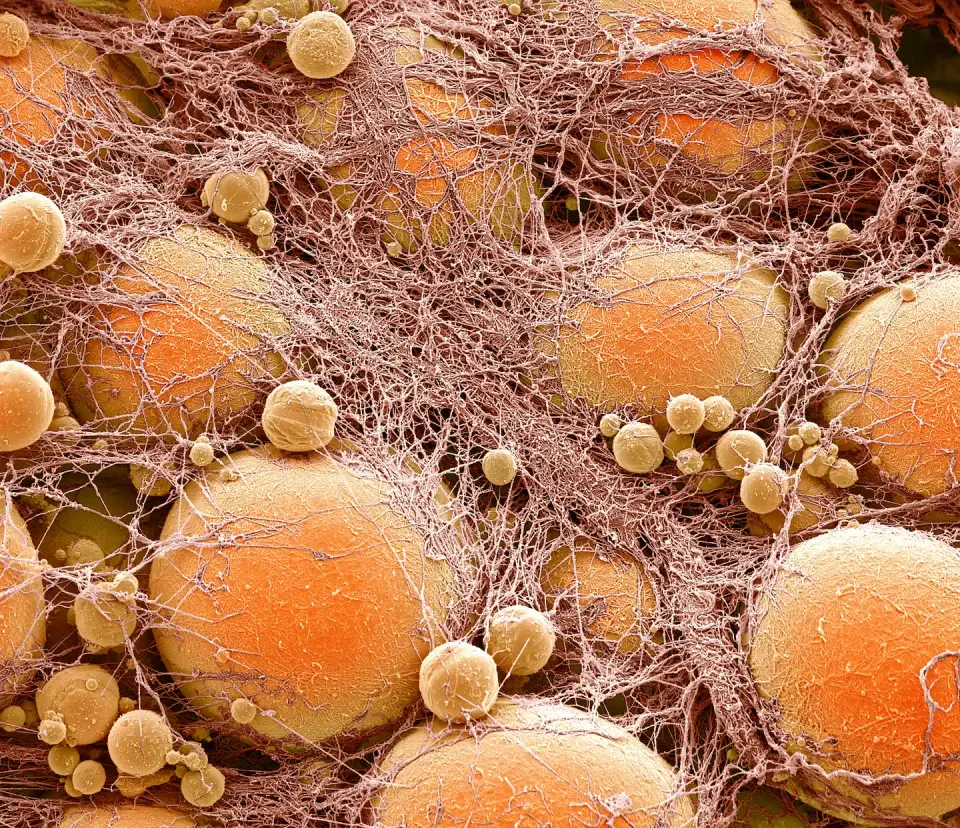
New research suggests that fat cells retain an epigenetic 'memory' of obesity, keeping hunger hormones elevated even after weight loss. This biological mechanism may explain why patients regain weight quickly after stopping GLP-1 medications, highlighting the need for long-term metabolic management rather than short-term fixes.
Key points
- A study in Cell Reports found that the cytokine TGF-β1 triggers lasting epigenetic changes in fat cells, sustaining high levels of the appetite-stimulating hormone asprosin.
- Mice that lost weight after obesity still exhibited elevated asprosin levels, leading to rapid weight regain when exposed to high-fat diets.
- Researchers propose that this 'biological memory' could also transmit obesity susceptibility to offspring, linking maternal metabolic health to fetal development.
- An NIH-funded trial at UTHealth Houston is investigating genetic markers to predict which patients will regain weight after discontinuing GLP-1 drugs.
- Experts emphasize that weight regain is a biological issue, not a failure of willpower, requiring ongoing medical support and potential new therapeutic targets.
Background
Recent coverage has highlighted the severe consequences of stopping GLP-1 medications, including rapid cardiovascular risk increases and significant mental health challenges. Earlier studies noted that patients who regain weight often face higher risks of depression and suicide, underscoring the urgency of understanding the biological drivers of weight rebound. While previous research focused on behavioral and metabolic shifts, this new angle examines cellular-level epigenetic changes that may persist long after the drug is stopped.
How outlets are covering it
The Washington Post and Medscape focus on the specific mechanism involving asprosin and TGF-β1, describing it as a 'switch' that stays on. Medscape adds the dimension of intergenerational risk, noting that maternal TGF-β1 exposure may alter fetal fat cells. In contrast, Bioengineer.org highlights a broader clinical approach, detailing a new NIH-funded trial that seeks genetic markers to predict individual susceptibility to weight regain. While the first two sources emphasize the cellular 'memory' as a potential drug target, the third source focuses on predictive biomarkers to personalize treatment duration. All sources agree that current weight-loss drugs are not permanent cures and that the rebound effect is a complex biological process, not a behavioral failure.
Why it matters
Understanding the epigenetic basis of weight regain could lead to new therapies that prevent rebound after stopping GLP-1 drugs. It also shifts the clinical paradigm from viewing obesity as a temporary condition to managing it as a chronic disease requiring sustained support. This knowledge may help clinicians identify patients at high risk for rapid regain and develop interventions that 'wipe' the cellular memory of obesity.
What to watch
Researchers plan to verify if the same epigenetic mechanisms exist in human fat tissue and during human pregnancy. The UTHealth Houston trial will analyze genetic markers in 100 participants to identify predictors of therapeutic durability. If confirmed, these findings could lead to new drugs or antibodies that neutralize asprosin or block the TGF-β1 pathway, potentially extending the benefits of weight loss beyond the duration of medication use.
- Scientists uncover a clue that could hint at why we regain weight after diets washingtonpost.com
- Obesity’s Epigenetic ‘Memory’ Fuels Weight Regain Medscape
- NIH Funds $4 Million Study to Unravel Why Weight Returns After Stopping GLP-1 Drugs Bioengineer.org
- Scientists Find A Molecular Clue That Could Explain Why Weight Comes Back Yahoo
Want the full story? Read the original reporting
Read on washingtonpost.com