
Gamma Delta T Cells Identified as Key to Defeating Small Cell Lung Cancer
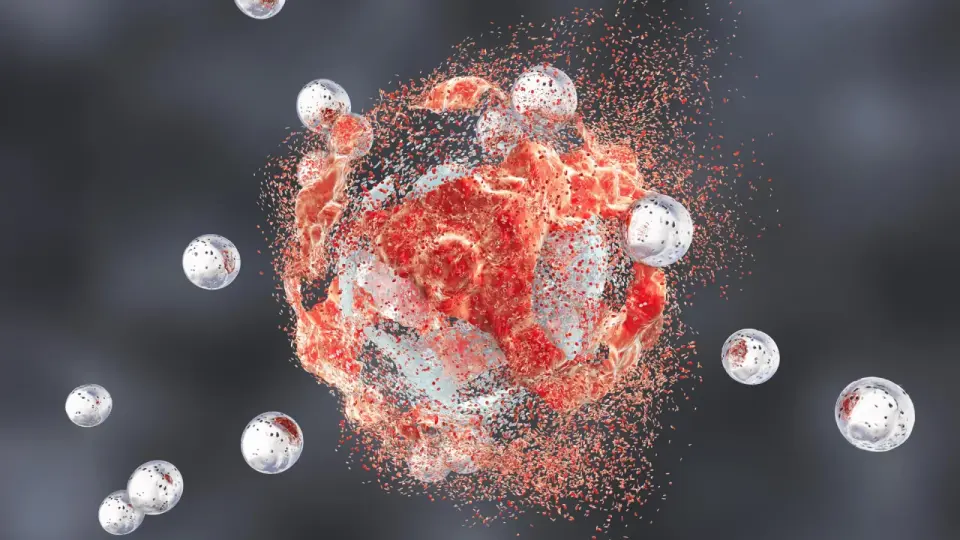
Researchers at the Walter and Eliza Hall Institute (WEHI) have identified gamma delta T cells as a previously overlooked immune defense against small cell lung cancer (SCLC). Published in Cancer Cell, the study shows these cells can detect and destroy SCLC tumors that evade conventional immune surveillance. Laboratory tests using patient-derived mini-tumors demonstrated that combining gamma delta T cells with existing drugs, tarlatamab and zoledronate, significantly enhances cancer cell destruction. The findings suggest new strategies for improving immunotherapy outcomes in a disease where fewer than 7% of patients survive five years.
Key points
- SCLC is notoriously difficult to treat, with less than 7% five-year survival rates, largely because tumors evade conventional immune cells.
- WEHI researchers found that gamma delta T cells can recognize and destroy SCLC cells even when other immune cells fail to detect the tumor.
- Analysis of data from the IMpower133 and CASPIAN clinical trials revealed that patients with higher levels of gamma delta T cells had better treatment outcomes.
- In lab tests, combining gamma delta T cells with tarlatamab and zoledronate substantially increased their ability to kill cancer cells.
- Zoledronate boosts the number of gamma delta T cells, while tarlatamab helps direct these immune cells toward the cancer cells.
- The discovery may lead to adoptive cell transfer therapies, where a patient's own immune cells are expanded outside the body and reinfused to fight cancer.
Background
This discovery builds on recent advances in lung cancer treatment, such as the development of protein degraders for resistant lung cancer kinases reported in September 2026. While previous efforts focused on blocking or degrading specific cancer proteins, this new research highlights the potential of leveraging existing but overlooked immune pathways to combat aggressive cancers that have seen limited progress in treatment options over the past decades.
How outlets are covering it
All four sources agree on the core finding that gamma delta T cells are effective against SCLC and that their efficacy is enhanced by tarlatamab and zoledronate. ScienceDaily and The Times of India emphasize the potential for adoptive cell transfer and the collaboration with the Doherty Institute. ScienceAlert and UA.NEWS highlight the role of the BTN2A1 molecule as a potential biomarker for predicting immunotherapy response, a detail not mentioned in the primary source. ScienceAlert also notes the next steps involve animal models and clinical trials, while The Times of India focuses on the broader hope for SCLC patients. No significant disagreements were found among the outlets regarding the scientific findings or the drugs involved.
Why it matters
Small cell lung cancer has seen few treatment advances in decades, with very low survival rates. This discovery offers a new avenue for immunotherapy by targeting a previously unrecognized immune pathway. The potential to use existing drugs to enhance this response, or to expand and reinfuse gamma delta T cells, could lead to more effective and personalized treatments for a currently difficult-to-treat cancer.
What to watch
The WEHI team is collaborating with the Doherty Institute to develop new immunotherapy drugs based on these findings. Future research will involve testing the approach in animal models before moving to clinical trials with patients. The researchers also aim to explore whether gamma delta T cell levels and the presence of the BTN2A1 molecule can predict patient response to immunotherapy.
- Scientists discover a hidden immune weapon against deadly lung cancer Science Daily
- An Overlooked Immune Cell Killed The Deadliest Form of Lung Cancer in Lab Tests ScienceAlert
- Gamma-delta T cells destroyed SCLC in the laboratory — ScienceAlert UA.NEWS
- Unlocking the body’s secret weapon against lung cancer The Times of India
Want the full story? Read the original reporting
Read on Science Daily