
MD Anderson study links 24-hour fasting to gut repair via Akkermansia muciniphila
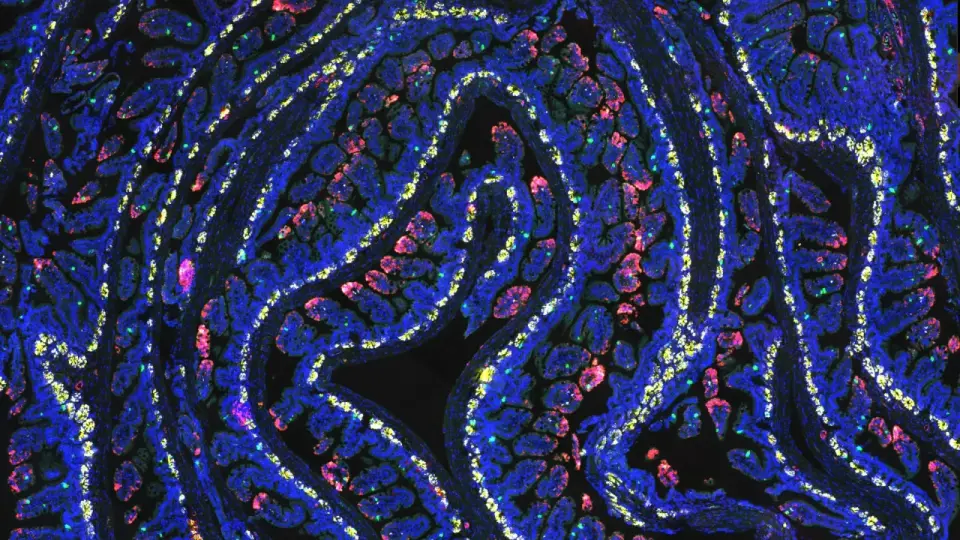
A 24-hour fast prepares intestinal cells for radiation recovery by boosting the bacterium Akkermansia muciniphila, which produces propionate to activate repair genes. This preclinical finding suggests new ways to protect healthy tissue during cancer treatment without requiring fasting.
Key points
- Researchers at The University of Texas MD Anderson Cancer Center found that a 24-hour fast increases the abundance of the gut bacterium Akkermansia muciniphila (AKK) in the small intestine.
- AKK produces propionate, a substance that modifies histones to make DNA more accessible, allowing cells to activate genes involved in tissue regeneration.
- The study, published in the Proceedings of the National Academy of Sciences, was co-led by Helen Piwnica-Worms and Kunal Rai.
- Removing AKK eliminated the protective benefits of fasting, while restoring the bacterium alongside fasting reinstated the repair response.
- The findings aim to reduce radiation side effects like nausea and diarrhea, potentially making therapy safer for abdominal cancers.
- Future applications may include using targeted microbes or metabolites to trigger repair without requiring patients to fast.
Background
Previous preclinical work by the Piwnica-Worms Laboratory established that fasting before radiation exposure aided intestinal recovery, but the mechanism was unclear. This study identifies the specific bacterial and metabolic pathways involved. The research builds on broader efforts to protect healthy tissues during cancer treatment, similar to other studies exploring biological repair mechanisms, though it focuses specifically on the gut-radiation interaction.
Why it matters
Radiation therapy for abdominal cancers often damages the sensitive lining of the small intestine, leading to severe side effects and limiting treatment doses. Understanding how fasting and specific bacteria trigger repair mechanisms could lead to new interventions that protect healthy tissue, improve patient outcomes, and potentially allow for more effective cancer treatments without the practical difficulties of food restriction.
What to watch
The research remains preclinical. Further studies are needed to determine if this mechanism operates in humans and if it can safely improve patient outcomes. Researchers are exploring whether the pathway can be activated through dietary interventions, targeted microbes, or their metabolites, potentially extending benefits to other rapidly dividing tissues like bone marrow.
Want the full story? Read the original reporting
Read on Science Daily