
Medical Expert Questions Simplified Claims About Trauma and Physical Health
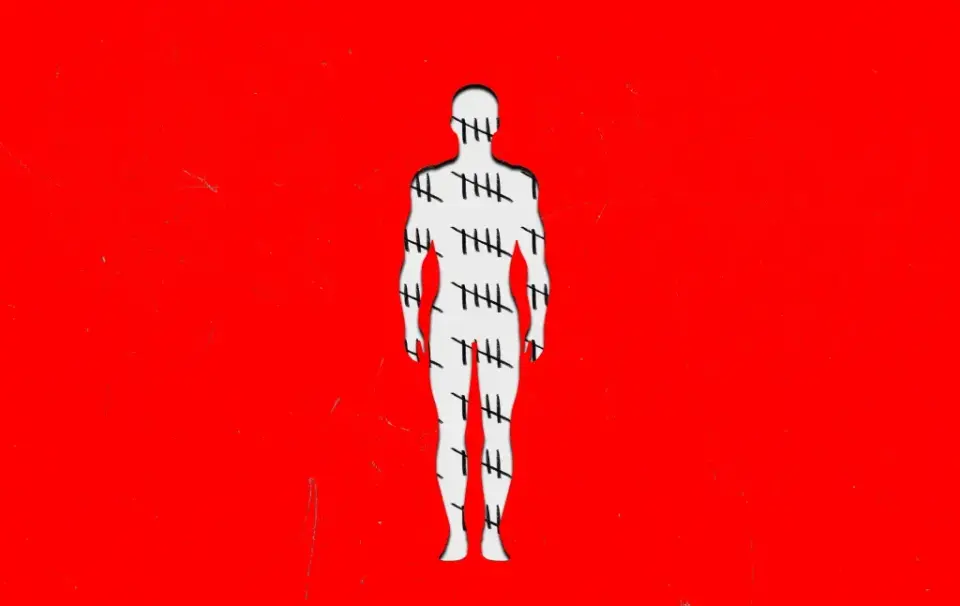
Matthew Loftus argues that while trauma impacts physical health, popular narratives oversimplify the biological mechanisms, reducing complex medical realities to viral social media tropes.
Key points
- The author challenges the widespread social media narrative that 'toxic stress' directly causes cellular death.
- Loftus notes that broad societal issues like racism or sexism are often incorrectly linked to immediate cellular toxicity in popular discourse.
- The essay distinguishes between verified medical impacts of trauma and the exaggerated 'trauma response' theories promoted by influencers.
- It emphasizes that while trauma does affect physical health, the biological process is more complicated than the simplified stories suggest.
Background
This piece appears in The Dispatch's 'Monday Essay' series, which frequently explores cultural and scientific topics. Recent archive entries focus on entertainment and pop culture, such as Netflix's 'The Body' and DC's 'Clayface', indicating a shift in this specific article toward medical and psychological analysis.
Why it matters
Understanding the accurate biological impact of trauma is crucial for public health, as misinformation can lead to ineffective self-treatment or misdiagnosis. Clarifying the difference between stress and cellular damage helps in developing better medical interventions.
What to watch
The essay likely continues to detail specific medical pathways through which trauma affects the body, contrasting them with the popular 'body keeps the score' narrative, though the provided text is truncated.
Want the full story? Read the original reporting
Read on The Dispatch