A Globe columnist playfully interrogates the “man cold” stereotype, noting that the science on whether men suffer more from the common cold is mixed, which makes the debate a blend of biology, perception, and humorous social commentary.
Researchers at the University of Chicago engineered Bifidobacterium longum to deliver a tumor-focused form of IL-2 (SumIL-2) inside pancreatic tumors, turning the bacteria into localized drug factories that selectively activate cancer-fighting T cells and slow tumor growth in preclinical models. The effect is enhanced when combined with chemotherapy, radiotherapy, or anti-PD-L1 immunotherapy. While promising, the approach has not yet been tested in humans, and future work will assess safety, potential off-target effects, durability, and the feasibility of oral delivery, plus potential combinations with KRAS inhibitors.
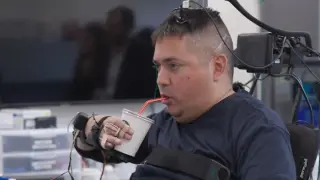
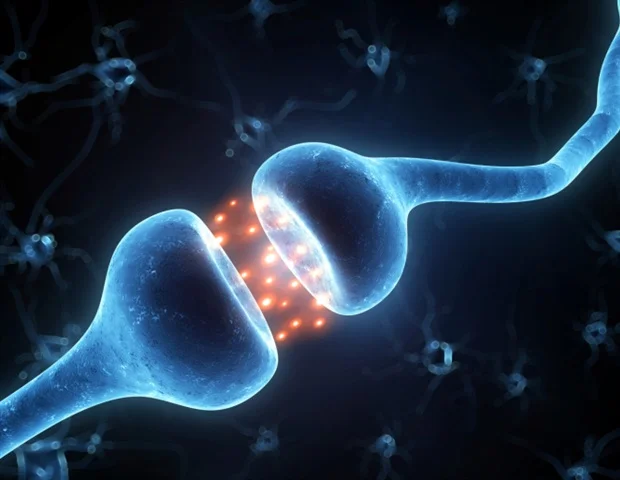
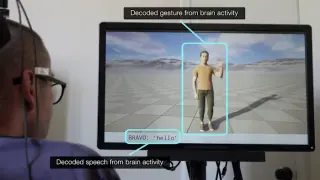
A single paralysed patient with quadriplegia regained voluntary hand movement and partial touch using a bidirectional brain-computer interface: implanted brain microelectrodes plus skin-stimulation patches translated his intended movements into nerve stimulation, with sensors providing touch feedback. Over 35 weeks he showed substantial arm-strength gains (87% in one measure reported as 86%/62% in the study) and could perform tasks like feeding himself and wiping his mouth; the work, published in Nature Medicine, marks a significant advance in neuroprosthetics but remains preliminary with one participant.
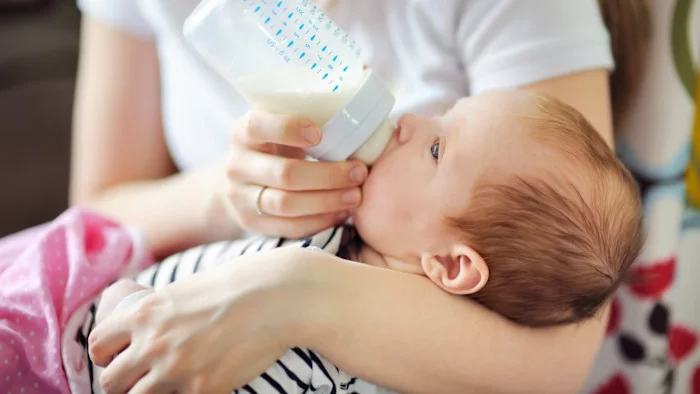
A global atlas of gut bacteria shows that B. infantis, a microbe important for digesting foods and training the immune system, is largely absent in Western babies—about 98.6% lack it in the first two months in Europe and the US, versus ~29% in South Asia and Africa. The absence persists in many Western infants and could hinder immune development, potentially helping explain rising allergies and autoimmune diseases. Researchers suggest lifestyle factors such as antibiotic use, dietary shifts, reduced environmental exposure, and shorter or less exclusive breastfeeding may limit transfer of B. infantis from mother to child. The finding also questions the suitability of some commercial probiotic products, as they may not reflect regional strains, underscoring a need for tailored probiotic strategies and further study of microbiome-health links.
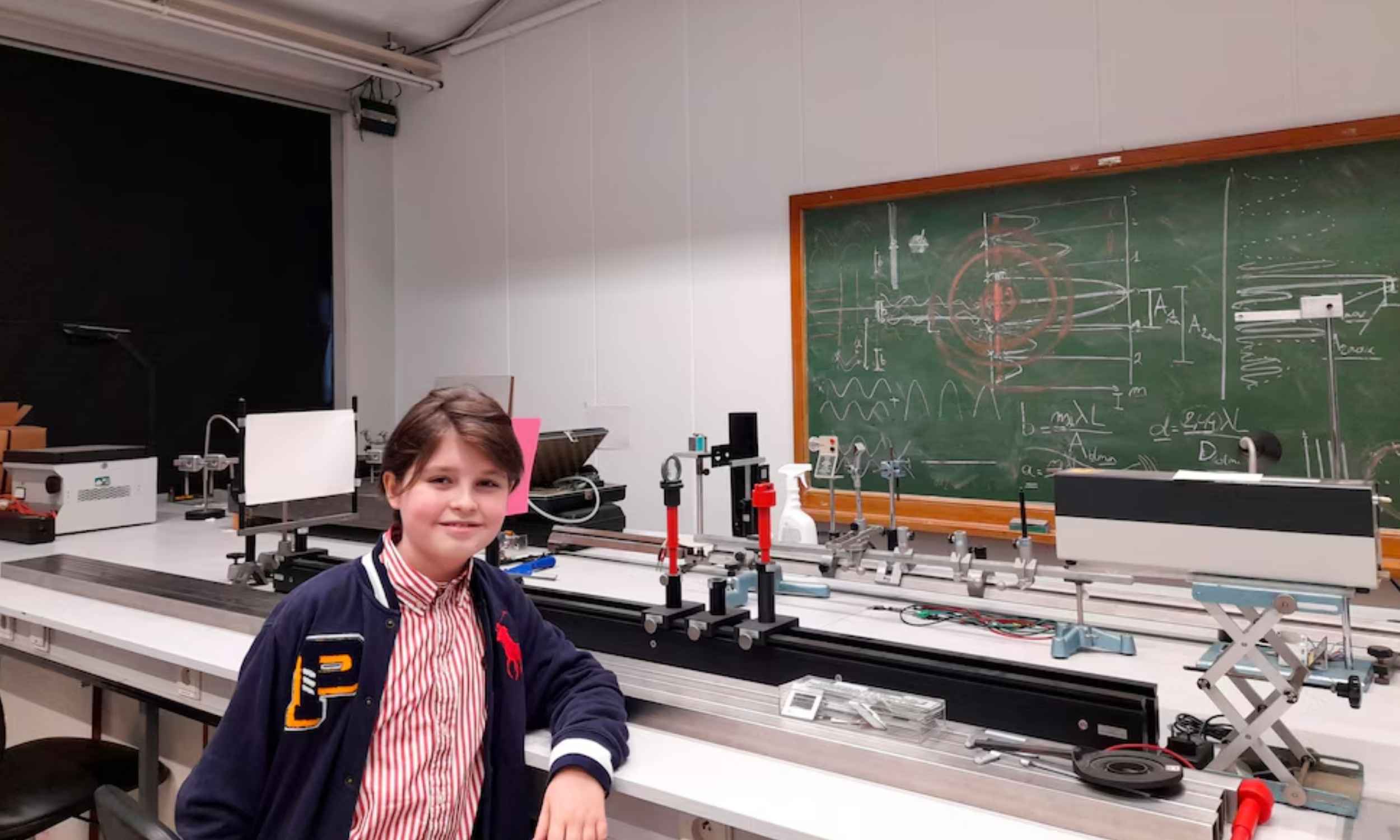
A 15-year-old Belgian researcher, Laurent Simons, has earned a PhD in quantum physics and is working towards creating superhumans, focusing on medical applications and longevity, while conducting advanced research in ultracold quantum systems. His work emphasizes careful experimentation, ethical considerations, and collaborative efforts to ensure meaningful progress in extending healthy lifespan.
A study led by Amsterdam UMC found that adding progesterone to feminizing hormone therapy enhances breast growth and is safe for transgender individuals, potentially improving treatment outcomes and reducing the need for surgery.
A coalition of medical, scientific, and public health organizations calls for the resignation of HHS Secretary Robert F. Kennedy Jr. due to concerns that his policies undermine science and public health efforts, risking increased foodborne illnesses, reduced disease surveillance, weakened vaccination programs, and diminished emergency response capabilities, ultimately threatening the health and safety of Americans.
Sanjay Gupta, a neurosurgeon and medical journalist, shares insights from his book on how chronic pain affects the brain and identity, inspired by his personal experience caring for his mother, and discusses the potential for new approaches to pain relief.
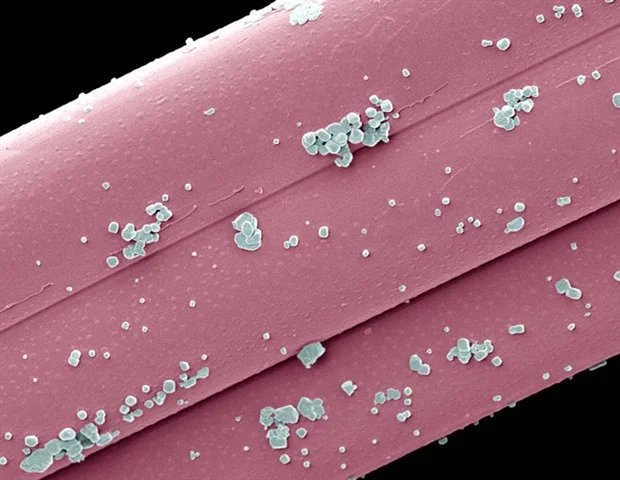
Researchers at Swansea University have developed a synthetic sugar-coated nanoparticle that acts as a decoy to block Covid-19 from infecting human cells, reducing infection rates by nearly 99%, and offering a potential new approach for antiviral therapies.
The article explores why people are drawn to unsettling medical images, highlighting the roles of disgust and curiosity in human psychology, and discusses how these emotions historically helped humans avoid harm and continue to influence our reactions to medical phenomena.
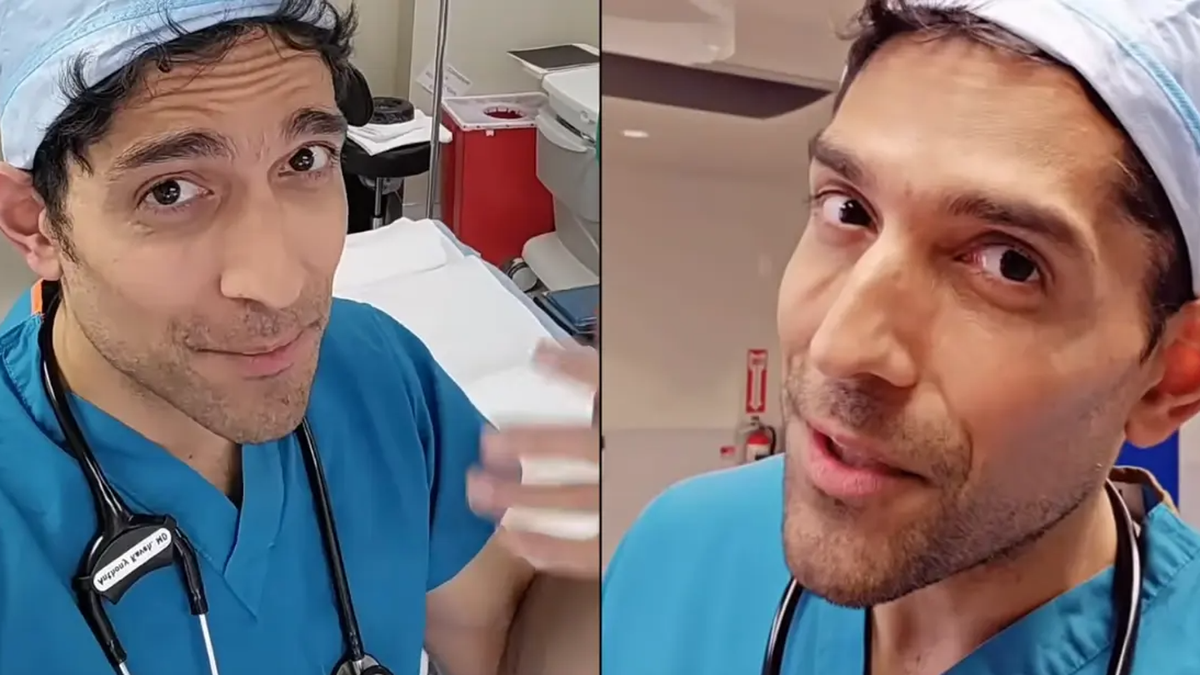
A recent explanation of how anaesthesia works has surprised many, revealing that it doesn't induce sleep but rather turns off the brain, rendering the patient unconscious and unable to perceive pain. This process also involves medications that can paralyze the body and erase memories to reduce anxiety and PTSD risk. The revelation, shared by a medical expert on YouTube, has sparked anxiety and fear among viewers, with some sharing traumatic experiences of waking up mentally during surgery while being physically paralyzed.
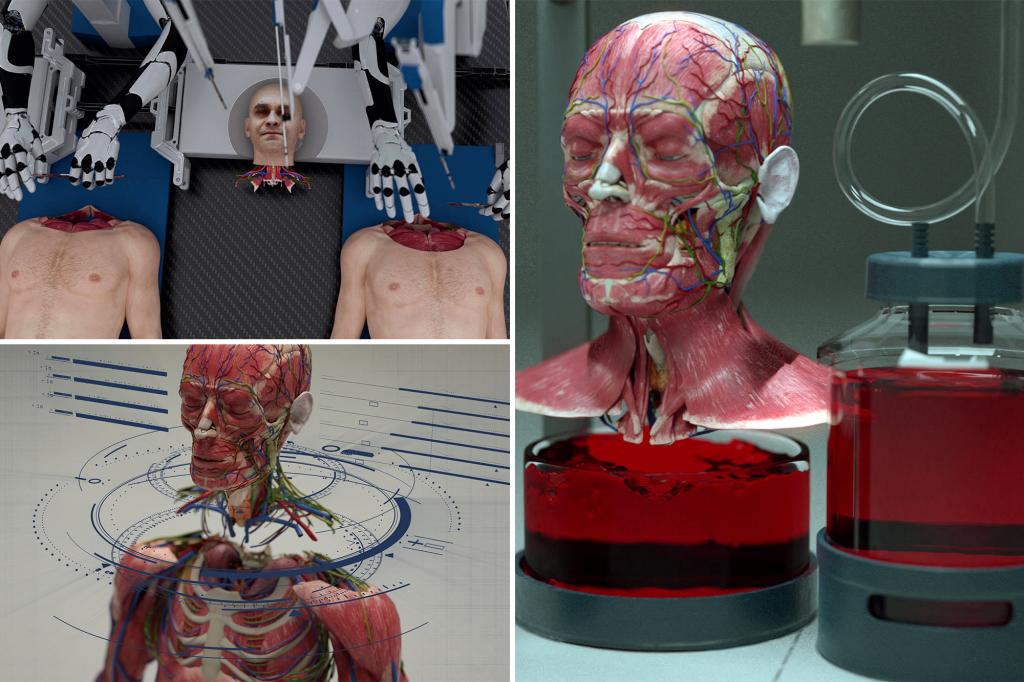
BrainBridge, a neuroscience and biomedical engineering startup, claims to have developed an AI-mechanized system for performing head transplants, with the first procedure planned within a decade. The innovative surgery aims to help patients with untreatable conditions and neurological diseases, maintaining the memories, cognitive abilities, and consciousness of the transplanted individual. The company plans to utilize surgical robots and artificial intelligence for precise reconnection of the spinal cord, nerves, and blood vessels, and aims to attract top scientists to the project.
Crocodilians, including crocodiles, gharials, alligators, and caimans, have survived for over 200 million years due to a combination of anatomical and behavioral adaptations. Their almost impenetrable body armor, powerful antioxidants in their blood, and ability to remain still for long periods contribute to their resilience. These survival tactics have drawn the attention of researchers for potential applications in treating human diseases, showcasing how nature's resilience can inform and transform our approach to health challenges.
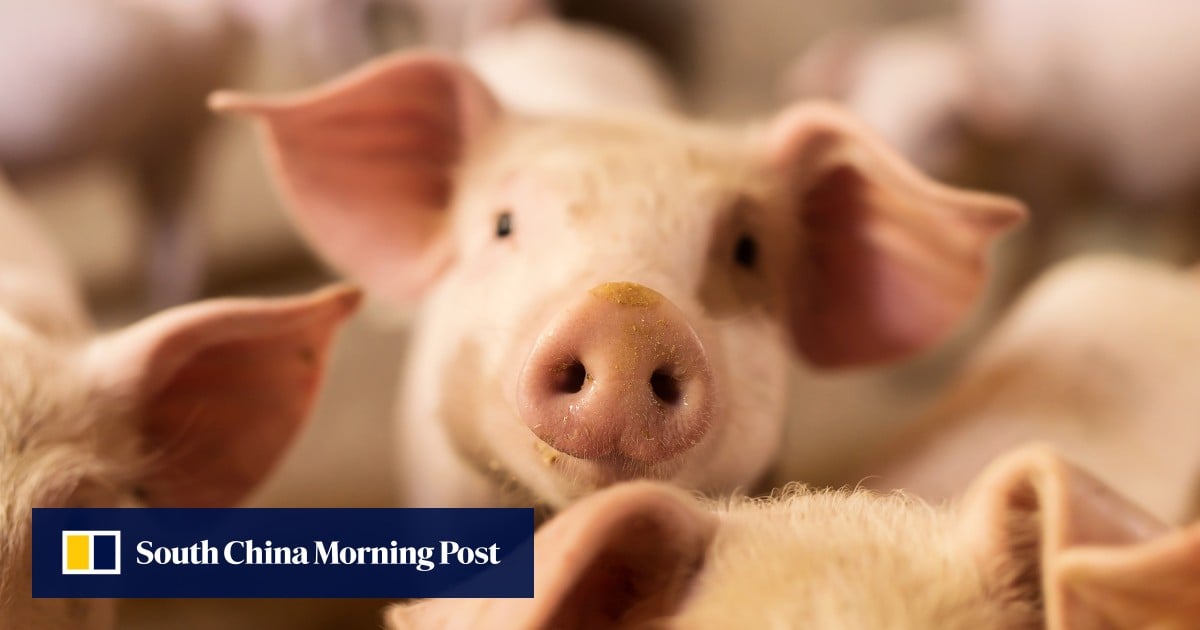
Chinese scientists have achieved another milestone in pig organ transplants by successfully transplanting a pig's kidney with multiple gene edits into a brain-dead human recipient, following their recent world's first pig liver transplant on a human. The transplanted kidney has been functioning well for 13 days, offering hope for end-stage kidney disease patients. The use of pig organs, with gene editing to reduce rejection risk, could provide a solution to organ shortages and help patients waiting for human donors. This breakthrough in xenogenic organ transplantation may pave the way for life-saving operations for millions of people.
Scientists have created the most detailed map of the developing human heart, revealing 75 types of heart cells, including previously unseen cell types in the heart's valves and muscles. The research, published in Nature, utilized advanced techniques to study whole human hearts donated between weeks 9 and 16 of fetal development, shedding light on how different cells organize to form the heart's structures. The atlas has important implications for understanding congenital heart disease and regenerative medicine, and the next step is to create a full 3D model and a "4D atlas" to track heart development over time.