
New Trial Shows Creatine Boosts Strength in Sedentary Adults, But Experts Warn It Is Not a Substitute for Exercise
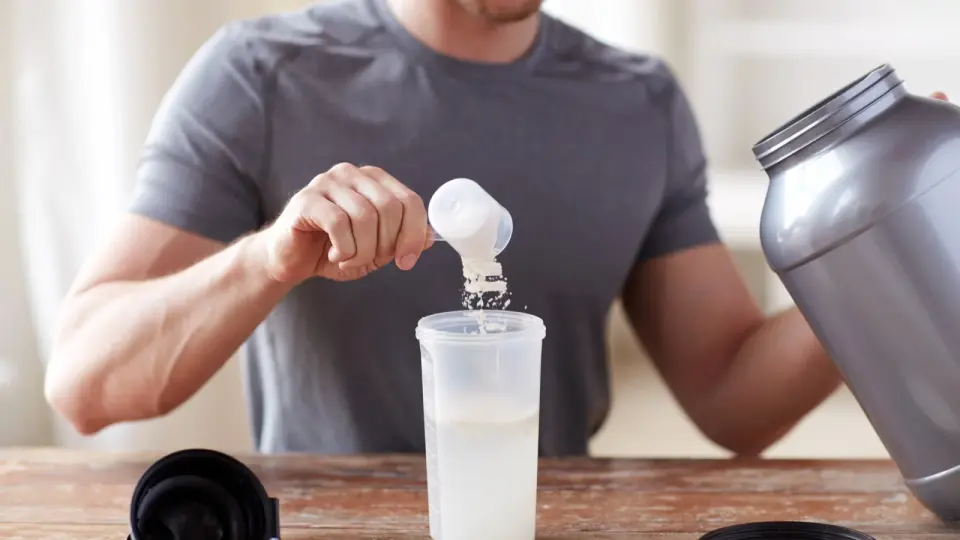
A new 12-week study published in the Journal of the International Society of Sports Nutrition found that 10 grams of daily creatine increased lean mass and strength in sedentary adults aged 45 to 65, even without resistance training. While the supplement showed potential benefits for cognitive function, experts emphasize that exercise remains essential for optimal results and that creatine cannot replace physical activity.
Key points
- The trial involved 64 sedentary adults aged 45 to 65, randomized to take either a placebo or 10 grams of creatine daily for 12 weeks.
- Participants who did not exercise still gained lean tissue and improved bench and leg press strength, though results were more pronounced for those who combined creatine with exercise and diet changes.
- Researchers from Texas A&M University noted potential cognitive benefits, but these findings are described as exploratory and not definitive.
- Senior author Richard Kreider has studied creatine for over 30 years and chairs the advisory board of Alzchem, the manufacturer that supplied the supplements, though the company was not involved in data analysis.
- Previous studies, such as a 2019 trial of older women, found no muscle strength improvements without resistance training, highlighting conflicting evidence in the field.
Background
Our archive from September 2026 previously covered this Texas A&M study, noting that while sedentary adults gained approximately 1.1 kg of lean tissue, exercise enhanced these results. Earlier coverage in August 2026 emphasized that resistance training is critical for preserving strength in older adults, with data showing that leg strength declines faster than muscle mass. Experts have consistently advised that while supplements may support health, they cannot replace the functional benefits of regular physical activity.
How outlets are covering it
ScienceAlert and the Lifespan Research Institute highlight the potential of creatine to maintain muscle mass without exercise, citing the new study's positive outcomes for sedentary adults. However, ScienceAlert notes that Jason Mitchell, chief medical officer at Geisinger, remains unconvinced that creatine works without exercise, calling it a misconception. Grazia Daily UK, in a product review, emphasizes that creatine is not a magic weight-loss solution and requires consistency, aligning with the view that supplements should complement, not replace, lifestyle changes. The sources agree that while creatine has benefits, exercise is crucial for maximizing results and overall health.
Why it matters
As creatine becomes a 'billion-dollar darling' in the wellness market, understanding its true benefits and limitations is crucial for consumers. The study suggests that creatine may help middle-aged and older adults maintain muscle mass and cognitive function, but it also underscores the importance of exercise. Misinformation about creatine's ability to replace physical activity could lead to unhealthy expectations and ineffective health strategies. Clarifying the role of supplements in conjunction with exercise is vital for public health and consumer safety.
What to watch
Further research is needed to determine the optimal dose of creatine for different populations and to confirm its cognitive benefits. The field will likely see more studies on creatine's role in aging and cognitive health, as well as continued debate about its effectiveness without exercise. Consumers should remain cautious and consult healthcare providers before starting any supplement regimen.
- Popular Supplement Increases Strength Even Without Exercise, Study Shows ScienceAlert
- Creatine’s benefits may go beyond the gym for older adults Futurity
- Why women are taking this 'bodybuilding' supplement – and what happened when I tried it Grazia Daily UK
- Creatine Protects Lean Mass Even Without Exercise Lifespan Research Institute
- Wellness Wednesday: Creatine and its benefits mypanhandle.com
Want the full story? Read the original reporting
Read on ScienceAlert