Tag

Muscle Mass

All articles tagged with #muscle mass

72-Year-Old Trainer’s Weekly Plan Proves Age Is No Barrier to Strength
health26 days ago

72-Year-Old Trainer’s Weekly Plan Proves Age Is No Barrier to Strength

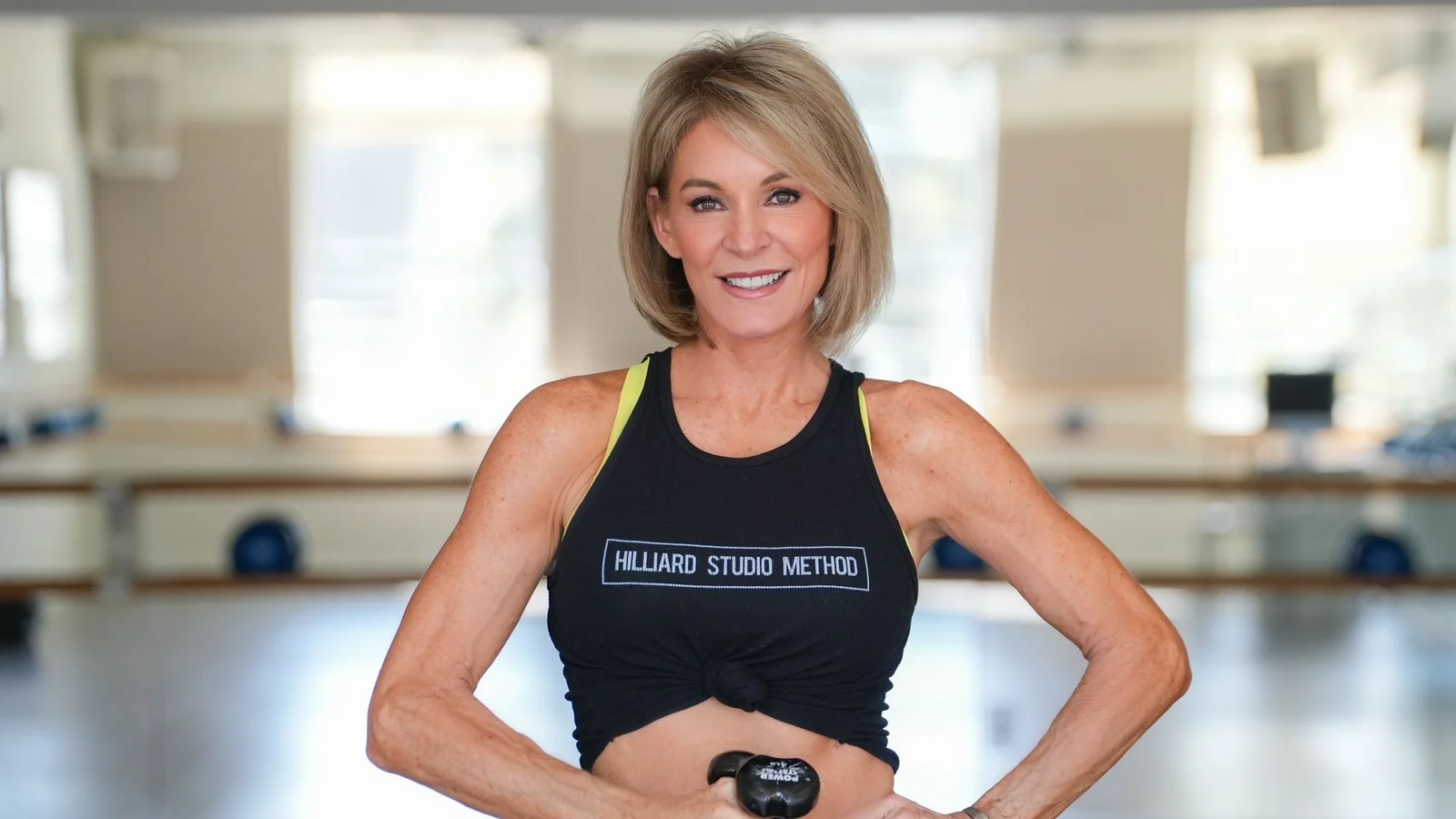
Liz Hilliard, a 72-year-old STOTT-certified trainer and founder of the Hilliard Studio Method, outlines a weekly routine centered on heavy-resistance strength work and Pilates-inspired training to boost muscle mass and longevity, including four to five studio sessions, daily movement (walking/biking) and a Sunday rest, with a schedule that prioritizes full-body strength and social motivation through group classes and community.

GLP-1 Weight-Loss Drugs: Big Wins, Big Considerations for Bones and Muscles
health1 month ago

GLP-1 Weight-Loss Drugs: Big Wins, Big Considerations for Bones and Muscles

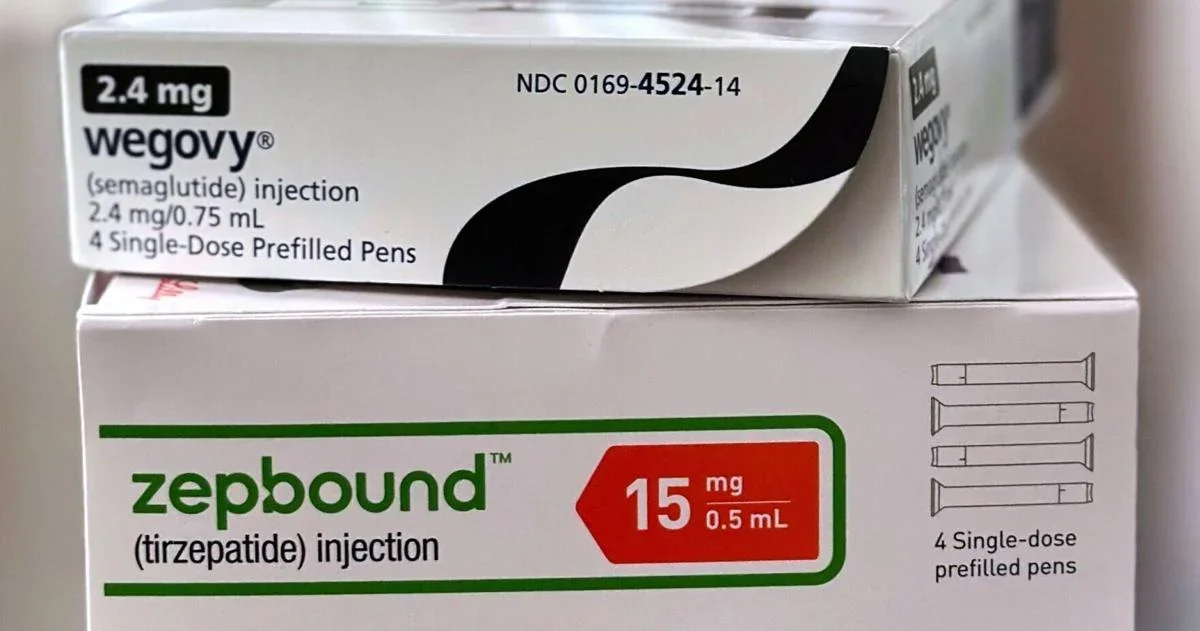
Drugs like Ozempic and Wegovy can drive rapid weight loss and ease knee pain, but an orthopedic surgeon cautions they may also reduce muscle mass and bone density, especially in postmenopausal or older adults. Patients should focus on adequate protein intake, resistance training, and regular lab work, and discuss bone health with their doctor to avoid a one-size-fits-all approach as long‑term risks are still being studied.

GLP-1 Weight-Loss Drugs Mostly Shed Fat, Not Muscle, New Analysis Finds
health1 month ago

GLP-1 Weight-Loss Drugs Mostly Shed Fat, Not Muscle, New Analysis Finds

A meta-analysis of 36 studies on GLP-1 and dual GLP-1/GIP agonists for weight loss shows participants lose about 9% of body weight within 3 months, with significant reductions in visceral fat and fat mass by 12 months. Lean body mass loss is present but relatively modest, suggesting muscle loss may be less of a concern than once feared. Experts emphasize maintaining protein intake and engaging in resistance and aerobic exercise to preserve muscle during GLP-1 therapy.

GLP-1 Weight-Loss Drugs: Is Muscle Loss Inevitable?
health1 month ago

GLP-1 Weight-Loss Drugs: Is Muscle Loss Inevitable?

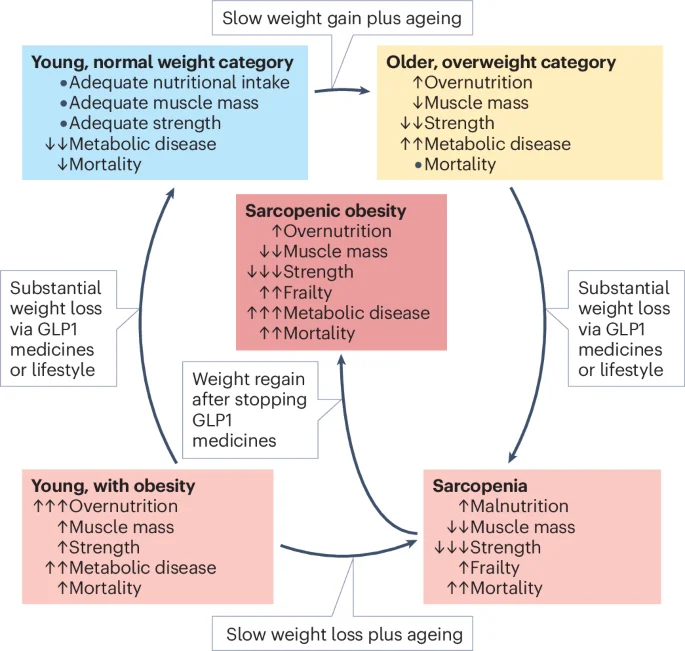
A Nature Reviews Endocrinology commentary reviews potential risks of GLP-1 receptor agonists used for obesity, noting concerns about accelerated muscle wasting and frailty in some patients; it explores mechanisms, aging-related vulnerability, and the need for biomarkers and careful monitoring, while acknowledging mixed evidence and the ongoing need for research to balance fat loss with muscle preservation.

Walking is a health foundation: boosts fat loss and brain health, with limited muscle gains
health2 months ago

Walking is a health foundation: boosts fat loss and brain health, with limited muscle gains

Walking is a foundational, low‑impact activity that increases energy use and supports brain health and stress reduction; it does not significantly add muscle size, though very low step counts can reduce muscle protein synthesis and leg lean mass, while pairing walking with resistance training helps maintain muscle. For fat loss, walking can contribute, especially when you increase pace, incline, or add load via rucking. Walking is best seen as Zone 2 cardio and a foundation for overall health, with bigger gains achieved by combining strength work, higher-intensity cardio, and flexibility work.

GLP-1 Weight-Loss Drugs: Muscle Loss Should Be Monitored, Not Feared
health3 months ago

GLP-1 Weight-Loss Drugs: Muscle Loss Should Be Monitored, Not Feared

Experts say GLP-1 obesity drugs can cause some lean-mass loss during weight reduction, but the exact extent and impact on function are unclear; most weight lost remains fat and, importantly, clinical trials show improved physical function. The emphasis is on maintaining strength via adequate protein and resistance training, while avoiding marketing hype around “muscle loss.” For older adults or those with limited mobility, careful planning is advised, but the overall health benefits of GLP-1 medications often outweigh the risks.

HIIT Could Help Seniors Trim Fat Without Losing Muscle
health4 months ago

HIIT Could Help Seniors Trim Fat Without Losing Muscle

Australian researchers followed over 120 healthy older adults (average age ~72) for six months and found that high‑intensity interval training (HIIT) reduced fat while preserving lean muscle mass, whereas moderate- and low‑intensity workouts also cut fat but were associated with small or unclear muscle loss. The findings suggest exercise intensity is key for aging body composition, though results apply to healthy individuals and HIIT may not suit everyone; medical or trainer guidance is advised before starting such a regimen.

Fitness Trainer Reveals Key Weapon to Combat Diabetes
health7 months ago

Fitness Trainer Reveals Key Weapon to Combat Diabetes

A fitness trainer emphasizes the importance of building and maintaining muscle mass as a natural and effective way to regulate blood sugar and prevent or manage diabetes, especially in India where the disease is prevalent. Muscle tissue can absorb glucose even without insulin, making strength training and a protein-rich diet crucial components in combating diabetes. The article highlights the need for increased physical activity and balanced nutrition to address the rising diabetes epidemic.

Exercise According to Your Age for Better Health
health-and-wellness7 months ago

Exercise According to Your Age for Better Health

The article emphasizes the importance of adapting exercise routines as we age, recognizing physical changes such as decreased muscle mass and joint health, and avoiding over-exercising or ignoring pain. Experts recommend flexible, realistic approaches to maintain health and prevent injury, while cautioning against societal pressures and misconceptions that promote unrealistic expectations of youthful vitality at any age.

Science-Backed Exercise and Habits for Healthy Aging
health-and-wellness10 months ago

Science-Backed Exercise and Habits for Healthy Aging

Strength training is a scientifically supported method to combat age-related muscle loss, improve physical and mental function, and promote longevity. Starting with simple, consistent workouts just twice a week can lead to significant health benefits, including better balance, strength, and disease prevention, making it a highly accessible and effective exercise for aging well.