
Nutrition Experts Clarify Berry Health Benefits, Pesticide Risks, and Optimal Consumption Methods
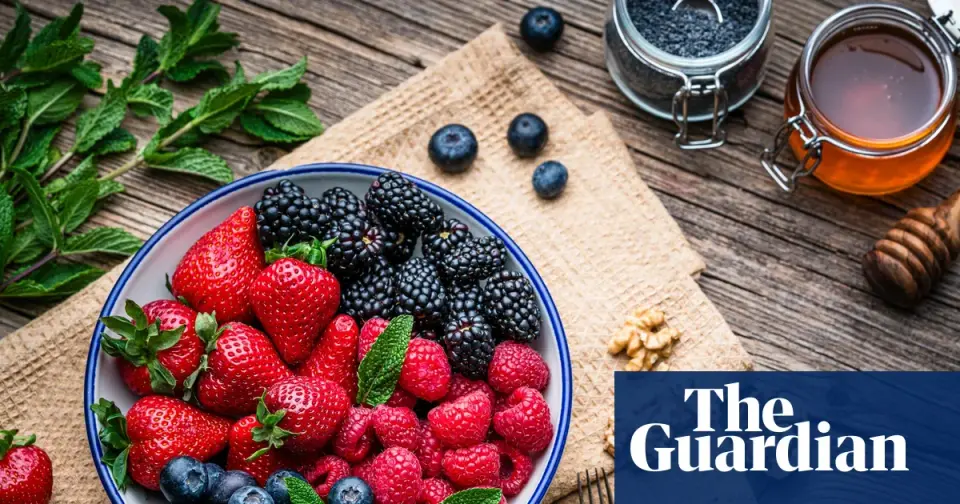
Berries offer significant health benefits, including cardiovascular support and cognitive protection, due to high polyphenol content. While blueberries are well-studied, other varieties like cranberries and blackcurrants provide unique nutrients. Experts advise that pesticide residues on conventional berries remain within safe limits, and frozen or raw preparations preserve the most nutritional value.
Key points
- Berries are low in calories but high in vitamins, fiber, and antioxidants, particularly anthocyanins, which support brain health by improving blood flow and oxygenation.
- Research indicates that daily consumption of blueberries may improve information processing speed in older adults with mild cognitive impairment, and adherence to a 'Mind diet' rich in berries is linked to a 53% lower risk of Alzheimer's.
- Different berries offer distinct benefits: cranberries help prevent urinary tract infections, blackcurrants provide the highest vitamin C content, and raspberries are the top source of fiber among common berries.
- Wild berries may contain higher levels of phytochemicals than conventionally grown ones, but experts emphasize that all berries provide health benefits and should be consumed regularly.
- Pesticide residues on berries, often highlighted in the 'Dirty Dozen' list, remain below regulatory safety limits set by the EPA, and the health benefits of eating produce outweigh theoretical risks from trace residues.
- Freezing and freeze-drying preserve berry nutrients effectively, while high-heat cooking can reduce anthocyanin levels by up to 80%; raw preparations like berry salsa are recommended to maintain potency.
Background
This briefing follows recent coverage on orthorexia, which highlights the risks of extreme dietary restrictions, and unrelated legal news regarding Halle Berry. The current article focuses on evidence-based nutritional advice rather than anecdotal health trends.
Why it matters
Understanding the specific nutritional profiles and safety aspects of berries helps consumers make informed dietary choices that support long-term health without falling into unnecessary fear of conventional produce or excessive restriction.
What to watch
Consumers are encouraged to incorporate a variety of berries into their diets, prioritizing raw or frozen options to maximize nutrient retention, while continuing to monitor regulatory updates on pesticide safety standards.
Want the full story? Read the original reporting
Read on The Guardian