Tag

Berries

All articles tagged with #berries

Two Quick Flags to Identify Anti-Inflammatory Foods, According to Dietitians
health4 days ago

Two Quick Flags to Identify Anti-Inflammatory Foods, According to Dietitians

Experts say to identify anti-inflammatory foods by choosing whole, minimally processed options—especially dark-colored produce rich in phytonutrients like blueberries, beets, and purple cabbage. Pair these with leafy greens, nuts, seeds, beans, whole grains, and healthy fats, and include probiotic foods such as yogurt or kefir to support gut health. A simple starter: berries; also limit alcohol and ultraprocessed foods and boost omega-3 intake for ongoing anti-inflammatory benefits.

Bye-bye pesticides: expert tips to wash summer berries
health1 month ago

Bye-bye pesticides: expert tips to wash summer berries

CNN reports that popular summer berries—blackberries, strawberries and blueberries—can carry pesticide residues, including some systemic pesticides that can’t be washed off; to cut surface residues, soak berries in a baking-soda solution (about 1 teaspoon per 2 cups water) for 30 seconds to 2 minutes depending on berry type (blackberries/raspberries 30–60 seconds; strawberries 30–60 seconds; blueberries 1–2 minutes), then rinse with cool water and dry. A vinegar rinse (1 part white vinegar to 3–4 parts water) is another option. Organic or US-grown berries tend to have lower exposure, and raspberries generally show fewer residues. The article lists several pesticides of concern (e.g., cypermethrin, bifenthrin, malathion, acetamiprid, carbendazim, fludioxonil) and notes that while surface pesticides can be reduced, some systemic pesticides remain, reinforcing the value of washing before eating and considering organic choices when possible.

Rinse to Reduce: Expert tips for washing summer berries and pesticides
health1 month ago

Rinse to Reduce: Expert tips for washing summer berries and pesticides

CNN Underscored warns that summer berries (blackberries, strawberries, blueberries and raspberries) can carry pesticide residues. While surface pesticides can be reduced with a baking-soda or vinegar soak (berries 1–2 minutes; most produce 5–10 minutes), systemic pesticides absorbed into the fruit aren’t washed off, so choosing organic or US‑grown berries lowers risk. The article also notes common pesticides by berry, suggests rinsing with cool water and drying thoroughly after washing, and advises washing berries right before eating (hulling strawberries after washing) and washing before peeling. Raspberries tend to have lower residues, but overall organic options offer the best protection against long-term exposure.

Colorful Flavonoids: 10 Foods That Help Fight Inflammation
wellness2 months ago

Colorful Flavonoids: 10 Foods That Help Fight Inflammation

Vogue highlights 10 flavonoid-rich foods—berries, parsley, capers, red cabbage, red onion, tea, cherries, oranges, apples, and red wine—and explains flavonoids’ antioxidant and anti-inflammatory roles, noting research that links them to lower oxidative stress, cardiovascular and immune benefits, and potential brain health support, while reminding that alcohol should be consumed in moderation.

Five foods that may lower cancer risk, according to a leading oncologist
health4 months ago

Five foods that may lower cancer risk, according to a leading oncologist

A leading oncologist from Hackensack Meridian Health says a plant-forward, fiber-rich diet can help lower cancer risk over time. He highlights five key food groups: berries (rich in anthocyanins), tomatoes (lycopene), various whole grains (fiber), cruciferous vegetables (glucosinolates like sulforaphane), and garlic/onions (organosulfur compounds). The message is that overall dietary patterns, not a single “superfood,” along with weight management, reduced carcinogen exposure, sleep, physical activity, screening, and avoiding tobacco and excess alcohol, contribute to cancer prevention.

Top Foods for Heart Health and Reducing Sitting Risks
health6 months ago

Top Foods for Heart Health and Reducing Sitting Risks

A study suggests that consuming polyphenol-rich foods like berries, coffee, and olive oil may support long-term heart health by improving cardiovascular risk profiles and maintaining favorable cholesterol levels, although causality has not been established. Incorporating these foods into a balanced diet could be beneficial for heart health as part of overall healthy lifestyle choices.

Top Frozen Fruits to Buy and Avoid, Dietitians Recommend
health-and-nutrition11 months ago

Top Frozen Fruits to Buy and Avoid, Dietitians Recommend

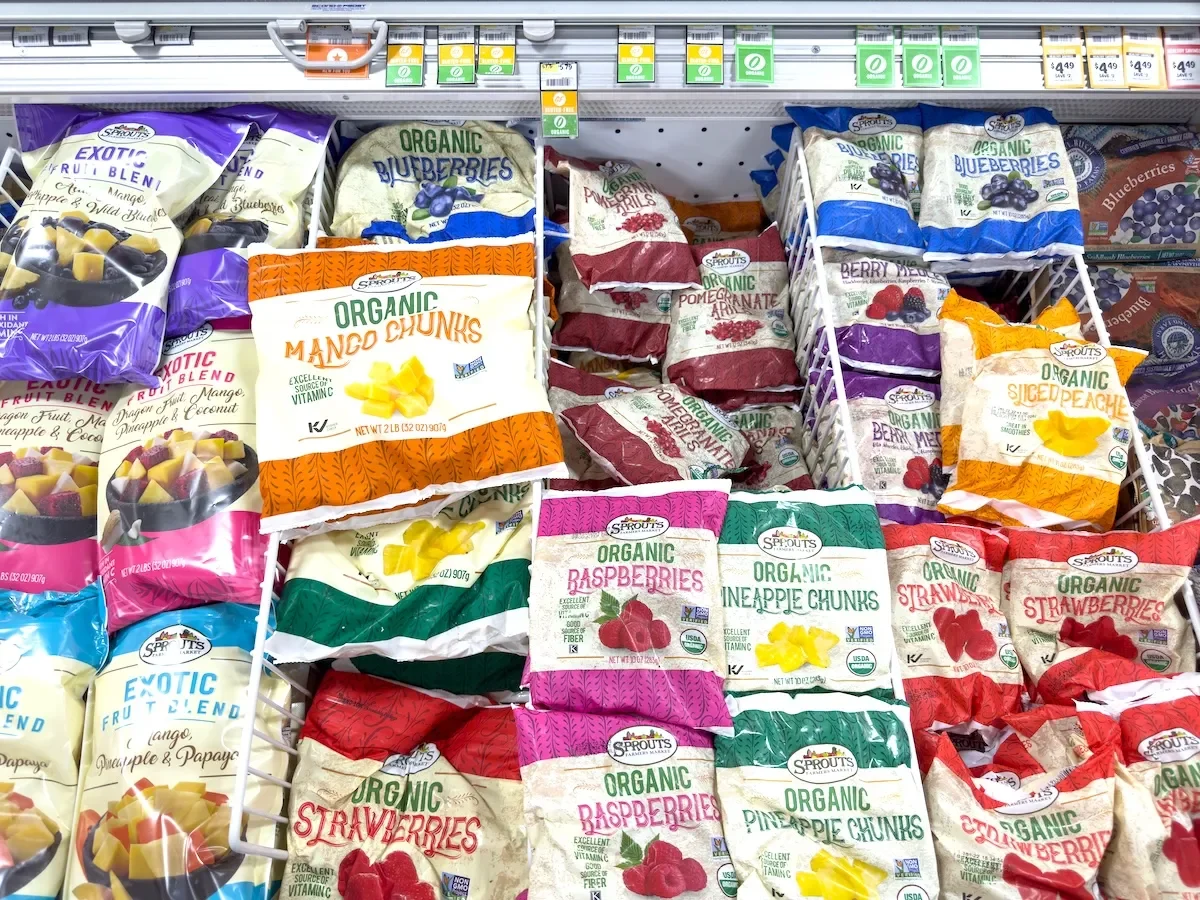
Frozen fruits are a nutritious and cost-effective option, with berries, cherries, and mangoes being particularly beneficial due to their high vitamin and antioxidant content. However, some fruits like watermelon and citrus may not thaw well for certain uses, and frozen bananas are best bought fresh and frozen at home. It's recommended to choose plain frozen fruits without added sugars or artificial ingredients for optimal health benefits.

Eating berries, flavonoids, and common superfoods may boost longevity and reduce disease risk
health1 year ago

Eating berries, flavonoids, and common superfoods may boost longevity and reduce disease risk

A study suggests that consuming flavonoid-rich foods like berries, citrus, dark chocolate, and green tea may help older women reduce risks of frailty, poor physical function, and mental health issues, supporting healthier aging. The effects in men are less clear, and further research is needed. Incorporating these foods into a balanced diet could promote longevity and well-being.