Tag

Antioxidants

All articles tagged with #antioxidants

Colorful Flavonoids: 10 Foods That Help Fight Inflammation
wellness24 days ago

Colorful Flavonoids: 10 Foods That Help Fight Inflammation

Vogue highlights 10 flavonoid-rich foods—berries, parsley, capers, red cabbage, red onion, tea, cherries, oranges, apples, and red wine—and explains flavonoids’ antioxidant and anti-inflammatory roles, noting research that links them to lower oxidative stress, cardiovascular and immune benefits, and potential brain health support, while reminding that alcohol should be consumed in moderation.

Low-dose vitamin E shows promise in repairing fatty liver damage
health1 month ago

Low-dose vitamin E shows promise in repairing fatty liver damage

A multicenter trial found that taking 300 mg/day of vitamin E improved liver tissue in adults with metabolic dysfunction–associated steatohepatitis (MASH), with about 29.3% showing histological improvement versus 14.1% on placebo, and noninvasive scans suggesting reduced liver stiffness. The lower dose, compared with earlier high-dose studies, still yielded benefits, but the results are modest and not yet generalizable to all patients. Current vitamin E guidance remains cautious, recommending use only in select non-diabetic adults under supervision, alongside lifestyle changes. More diverse, larger studies are needed to confirm durability and determine how vitamin E fits with diet and other treatments.

Smart brewing: squeeze more health from your daily coffee
nutrition1 month ago

Smart brewing: squeeze more health from your daily coffee

Freshly ground coffee maximizes antioxidants, with lighter to medium roasts preserving more CGAs than dark. Longer, filtered brews boost antioxidant extraction while reducing LDL-raising compounds. Decaf also offers benefits. For most adults, up to about four cups per day (roughly 400 mg caffeine) is reasonable, ideally with meals to aid digestion and blood sugar regulation. If you have reflux, choose low-acid or darker roasts; diversify benefits with other polyphenol-rich foods.

Dragon Fruit Peel Extract Elevates Bread Nutrition and Texture
science1 month ago

Dragon Fruit Peel Extract Elevates Bread Nutrition and Texture

Researchers at the National University of Singapore fortify wheat bread with a purified betacyanin-rich extract from red dragon fruit peel, finding that 0.75% fortification improves dough structure and bread texture while significantly boosting antioxidant levels and slowing starch digestion—potentially lowering the glycemic index and making a common staple healthier, with the added benefit of valorizing fruit waste; higher fortification can reduce elasticity, and researchers plan to apply the approach to other foods.

Plant-Forward Diet Linked to Slower Biological Aging
health1 month ago

Plant-Forward Diet Linked to Slower Biological Aging

A large U.S. study of roughly 5,000 people found that diets centered on plant-based foods (fruits, vegetables, whole grains, nuts, beans) and lower in animal products are linked to slower aging at the genetic level, as measured by the epigenetic clock. However, the benefit depends on diet quality—plant-based does not help if it’s high in refined grains, sugar, and ultra-processed foods. The anti-aging effect likely comes from more fiber and antioxidants and less inflammation, with implications that the pace of your biological clock can signal lifespan beyond your actual age.

Watercress crowned health champ: why it’s the world’s healthiest veg and how to eat more
health1 month ago

Watercress crowned health champ: why it’s the world’s healthiest veg and how to eat more

Watercress has been crowned the world's healthiest vegetable after scoring perfectly on the CDC’s 41-item powerhouse list. This peppery brassica is exceptionally nutrient-dense for a leafy green, delivering vitamins A, C and K, folate, calcium and iron, plus glucosinolates that form anti-inflammatory sulforaphane. It’s very low in calories (about 10–15 kcal per 100g) and versatile in salads, soups, sandwiches or pesto. It may help lower LDL cholesterol and protect cells via antioxidants, though more research is needed. To maximise absorption, pair it with healthy fats and vitamin C–rich foods. People taking warfarin should keep intake consistent, and lithium users should note its diuretic effect. A typical serving is 40–80g.

Blueberries: Tiny Fruit, Big Health Boost for Gut, Brain, and Heart
health2 months ago

Blueberries: Tiny Fruit, Big Health Boost for Gut, Brain, and Heart

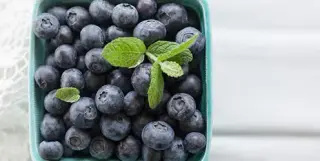
Regularly eating blueberries may benefit gut, brain, and heart health: fiber and polyphenols feed beneficial gut bacteria and strengthen the gut barrier; anthocyanin antioxidants help protect brain cells and may support memory and focus; they may also improve blood vessel function and help lower blood pressure, with some studies noting a lower risk of heart attack in women. Fresh or frozen berries can easily fit into a balanced diet.

Fruit Fighters: 9 Anti-Inflammatory Picks for Better Health
health2 months ago

Fruit Fighters: 9 Anti-Inflammatory Picks for Better Health

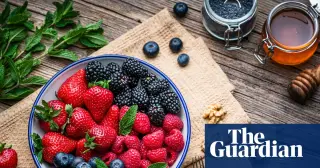
A TODAY health piece explains that chronic inflammation raises risks for heart disease, cancer, and cognitive decline, while fruits—rich in antioxidants, polyphenols, flavonoids, and fiber—can help reduce inflammation. It highlights berries, cherries, grapes, apples, pomegranates, watermelon, citrus, peaches, and pineapple as top choices, notes that whole fruit is generally preferable to juice though 100% juice can still provide anti-inflammatory compounds, and encourages a varied, colorful fruit intake to support a healthy gut and overall inflammation reduction.

A Week of Green Tea: Subtle Gains, Not a Miracle
health2 months ago

A Week of Green Tea: Subtle Gains, Not a Miracle

A dietitian drinks only green tea for seven days and reports steady energy, improved focus, and a grounding daily ritual, with digestion staying calm and hydration improving. The piece highlights green tea’s antioxidants (notably EGCG) and potential links to weight management, heart and cognitive health, while noting downsides like caffeine-related jitters, sleep disruption, tannins that can interfere with iron absorption, and possible digestive discomfort. It emphasizes that benefits are best seen with long-term, moderate consumption as part of a varied routine, rather than a drastic one-week switch.

Seven Days on Green Tea: Subtle Energy and Real Health Trade-Offs
health2 months ago

Seven Days on Green Tea: Subtle Energy and Real Health Trade-Offs

A dietitian spends a week drinking only green tea, reporting steady energy, calm digestion, and a grounding daily ritual; antioxidants like EGCG may support heart and brain health, and caffeine can boost metabolism, but downsides include potential caffeine sensitivity and tannins that can reduce iron absorption—so moderation is key and green tea deserves a permanent spot in a balanced rotation.

Sunflower By-Product Elevates Bread Nutrition and Sustainability
science3 months ago

Sunflower By-Product Elevates Bread Nutrition and Sustainability

Researchers found that partially defatted sunflower seed flour, a by-product of sunflower oil production, can replace 10%–60% of wheat flour in bread, significantly raising protein and fiber (up to 27.16% protein) and antioxidant levels, while also inhibiting α-amylase and pancreatic lipase; however, higher substitution can make loaves denser, though using an aqueous extract of the flour helped preserve texture, presenting a promising, cost-effective way to valorize a waste product and support a circular economy.

Brewing Health: Whole-Leaf Tea Beats Bottled Varieties
health3 months ago

Brewing Health: Whole-Leaf Tea Beats Bottled Varieties

A scientific review links brewed tea—especially green tea—with better heart health, metabolism, and lower risk of chronic diseases, noting that brewed teas preserve polyphenols and catechins better than processed or bottled versions. To maximize benefits, skip or minimize sugar and choose whole-leaf tea (or matcha) over bottled varieties, as processing and added ingredients can negate tea’s advantages; tea should be part of a balanced diet, not a magic solution.

Ancient Monkfruit Reveals Hidden Antioxidant Powers Beyond Sweetening
science3 months ago

Ancient Monkfruit Reveals Hidden Antioxidant Powers Beyond Sweetening

New research on monkfruit (luohan guo) shows its internal chemistry includes diverse antioxidant metabolites—flavonoids, terpenoids, and amino acids—varying by cultivar and by peel vs pulp. The study identified 29 key antioxidant compounds across four monkfruit types that interact with 26 biological targets, linking the fruit to pathways related to oxidative stress, inflammation, and potentially cancer biology. While promising, researchers caution that these findings don’t constitute health claims and emphasize tailoring cultivation and processing to maximize beneficial compounds for future products.

Monkfruit's Hidden Health Powers Revealed by New Study
science4 months ago

Monkfruit's Hidden Health Powers Revealed by New Study

A new study in the Journal of the Science of Food and Agriculture shows monkfruit contains abundant antioxidant-related compounds—terpenoids, flavonoids, and amino acids—concentrated in different parts of four Luohan Guo varieties, which interact with antioxidant receptors and may offer health benefits beyond sweetness. The findings also highlight that each variety has a unique metabolic profile, with implications for nutrition research and food manufacturing.