
Psilocybin Prevents Chemotherapy Nerve Damage in Mice
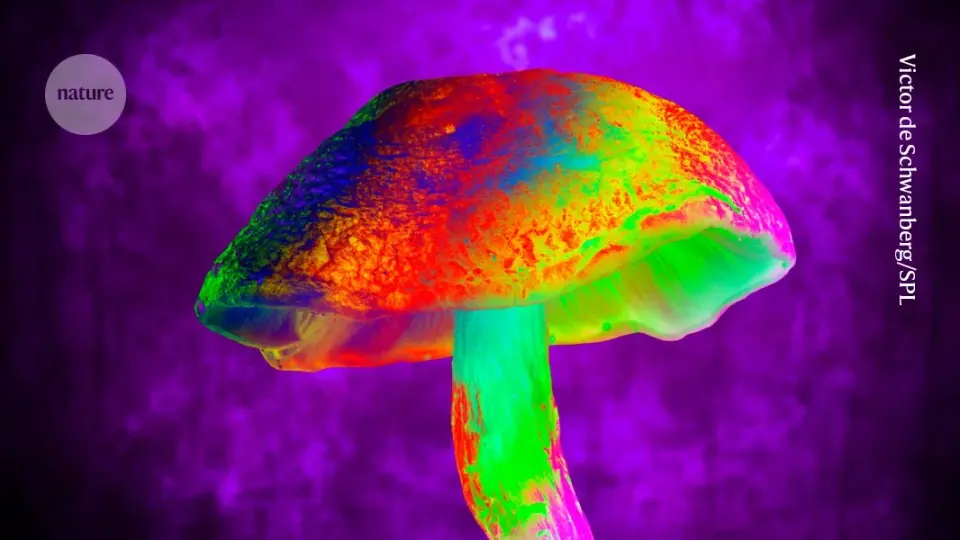
A study published in Science shows that psilocybin, the psychoactive compound in magic mushrooms, can prevent chemotherapy-induced peripheral neuropathy in mice. By activating specific receptors, psilocybin helps maintain mitochondrial transport in nerve endings, protecting them from damage caused by platinum-based drugs. This is the first evidence that a therapy can prevent this debilitating side effect, which affects up to 75% of cancer patients. Researchers at MD Anderson are launching a Phase 2 trial in November to test this approach in humans.
Key points
- Psilocybin prevents neuropathy by activating 5-HT2A receptors on sensory nerves, which preserves mitochondrial transport and energy supply to nerve endings.
- The condition affects 60-75% of patients treated with platinum-based chemotherapy, causing chronic pain, numbness, or tingling in hands and feet.
- Protection was observed in mice receiving two doses of psilocybin before cisplatin chemotherapy, with no reduction in tumor shrinkage efficacy.
- A non-hallucinogenic compound, tabernanthalog, provided similar protection, indicating the effect is not dependent on the psychedelic experience.
- A Phase 2 trial (NeuroGuard) involving 80 patients with breast, colorectal, or head and neck cancer is set to begin in November 2026.
Background
This development follows a trend in 2026 of exploring non-traditional compounds for medical use, such as sea-squirt plasmalogens for brain aging and citrus hesperetin for liver health. While previous psychedelic research focused on mental health conditions like depression and PTSD, this study marks a shift toward physical pain prevention in oncology.
How outlets are covering it
Nature emphasizes the mechanism of action, highlighting how psilocybin prevents nerve decay by regulating mitochondrial movement, a finding described as 'surprising' by experts. Fierce Biotech focuses on the commercial and regulatory landscape, noting recent billion-dollar deals by Big Pharma for psychedelic analogs and the upcoming clinical trial. New Scientist highlights the severity of the side effect, noting that CIPN affects up to 75% of patients and often leads to chemotherapy dose reductions. All sources agree on the efficacy in mice but stress that human trials are necessary to confirm safety and efficacy, with warnings against self-medication.
Why it matters
Chemotherapy-induced peripheral neuropathy is a major cause of treatment interruption and chronic suffering for cancer survivors. If psilocybin proves effective in humans, it could allow patients to complete full chemotherapy courses without debilitating nerve damage, potentially improving cancer outcomes and quality of life.
What to watch
The NeuroGuard Phase 2 trial will begin in November 2026, enrolling 80 patients to test two doses of psilocybin before chemotherapy. Results are expected in approximately five years. Researchers will also continue to investigate the role of non-hallucinogenic analogs like tabernanthalog to isolate the neuroprotective effects from the psychedelic experience.
- Magic-mushroom compound blocks a severe side effect of chemotherapy in mice Nature
- Psilocybin May Prevent Nerve Damage Caused by Chemotherapy, Study Finds The New York Times
- NEWSLETTER: Psychedelic drug shows promise for preventing chemotherapy-induced nerve damage Reuters
- Psilocybin proves promising in neuropathic pain mouse study Fierce Biotech
- Psilocybin could prevent common and debilitating chemotherapy side effect New Scientist
Want the full story? Read the original reporting
Read on Nature