
Sydney Study: Four-Week Diet Shifts Lower Biological Age Markers in Older Adults
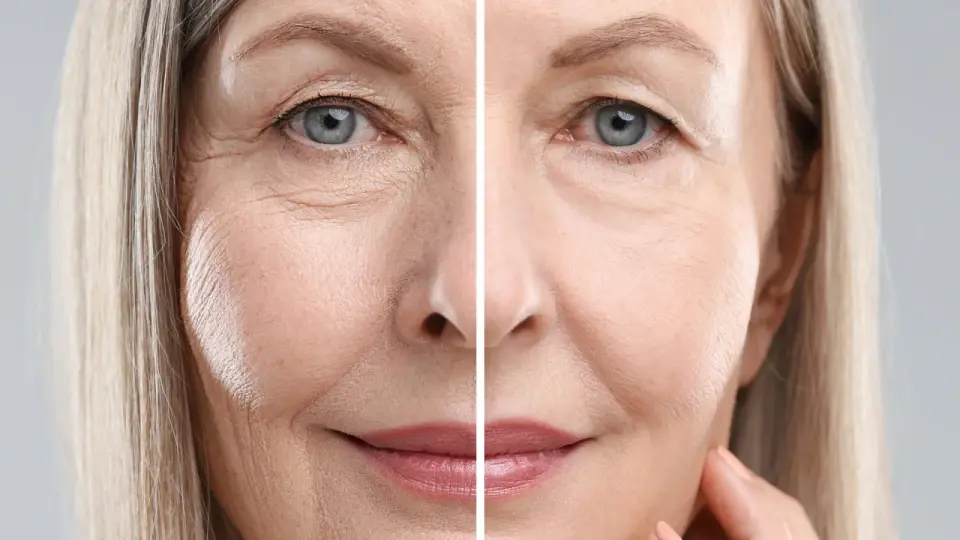
A University of Sydney study found that older adults aged 65-75 could lower their estimated biological age within four weeks by altering dietary fat or protein sources. While an omnivorous high-carbohydrate diet showed the strongest results, researchers caution that these biomarker changes do not prove permanent aging reversal or reduced disease risk.
Key points
- 104 participants were assigned to four diets varying in fat, carbohydrate, and protein sources (animal vs. plant) for 28 days.
- Three of the four groups showed reduced biological age scores based on 20 biomarkers, including cholesterol, insulin, and C-reactive protein.
- The omnivorous high-fat group, which most closely resembled participants' prior diets, showed no meaningful change in biological age.
- The strongest statistical evidence for lower biological age came from the omnivorous high-carbohydrate group, which derived 53% of energy from carbohydrates.
- Researchers emphasize that these short-term biomarker shifts are preliminary and do not confirm long-term health benefits or lifespan extension.
Background
This study adds to a growing body of research linking lifestyle factors to biological aging. Recent coverage has highlighted how brisk walking in old age may protect against cognitive decline, while other studies link accelerated biological aging in younger adults to early-onset cancers. Additionally, commentary in Cell Metabolism has argued that true aging reversal requires functional gains, not just biomarker shifts, and new technologies like Eight Sleep’s Pod are now attempting to track biological age passively during sleep.
How outlets are covering it
ScienceDaily and The Economic Times focus on the University of Sydney’s specific trial, highlighting the rapid 28-day timeframe and the distinct results across the four dietary groups. News-Medical provides a broader context by citing a separate German study (DZNE) published in Nature Communications, which found that multiple healthy dietary patterns (including Mediterranean and Nordic diets) are linked to slower biological aging via DNA methylation, suggesting that no single 'correct' diet exists. Yahoo’s source was inaccessible due to a technical error, so no perspective could be extracted. The Sydney researchers stress that while biomarkers changed quickly, long-term outcomes remain unknown, whereas the German study emphasizes that the absolute differences between various healthy diets are modest but measurable.
Why it matters
These findings suggest that dietary composition may influence aging-related biomarkers more rapidly than previously thought, offering potential avenues for early intervention in older adults. However, the distinction between biomarker changes and actual health outcomes remains critical. If sustained, such dietary adjustments could help mitigate age-related disease risks, but current evidence is insufficient to recommend specific dietary changes for lifespan extension without further long-term trials.
What to watch
Researchers plan to conduct longer-term studies to determine if the observed biomarker changes persist and translate into reduced risks for age-related diseases. Future work will also explore whether these findings apply to younger populations or different cohorts, and whether specific dietary patterns can be tailored to target particular biological pathways, such as those related to heart or brain health.
- Scientists reversed biological age in older adults in just 4 weeks ScienceDaily
- Study: Multiple dietary patterns linked to slower biological aging News-Medical
- Could Eating a Little Less Help You Age Better? Yahoo
- Can changing what you eat make your body biologically younger? Scientists studied 104 older adults for 4 w The Economic Times
- In Australia, dietary changes were linked to a reduction in estimated biological age over four weeks UA.NEWS
Want the full story? Read the original reporting
Read on ScienceDaily