
Study links daily peanut intake to improved brain insulin response in older adults
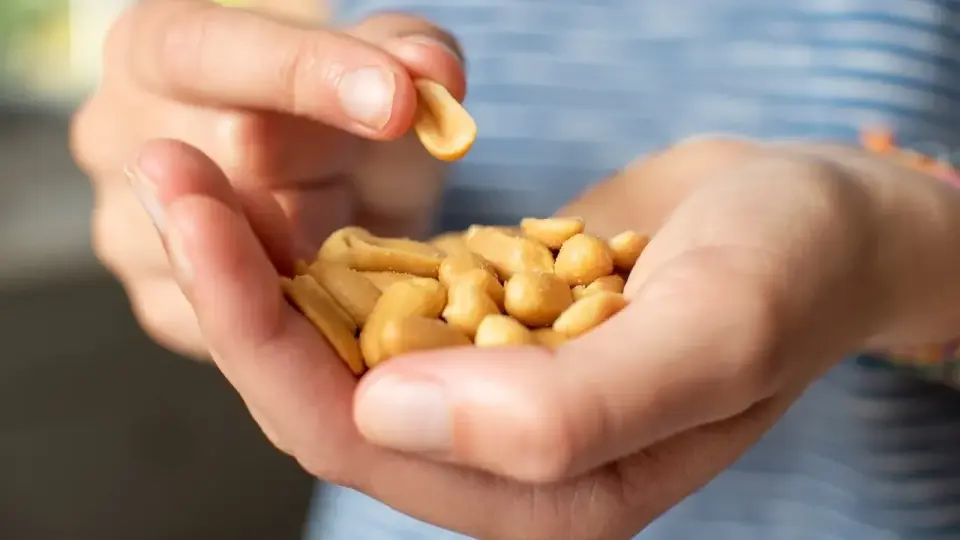
A 16-week trial at Maastricht University found that eating 60 grams of unsalted, skin-roasted peanuts daily improved insulin responsiveness in memory-related brain regions among adults aged 60 to 75. While MRI scans showed a 4% increase in overall brain blood flow, experts caution that the small study does not prove peanuts prevent Alzheimer’s disease or cognitive decline.
Key points
- 31 healthy adults aged 60-75 consumed 60g of unsalted, skin-roasted peanuts daily for 16 weeks.
- MRI scans revealed a 4% increase in overall brain blood flow and improved insulin responsiveness in the hippocampus.
- The study was funded by The Peanut Institute Foundation, which reported no role in the research design or analysis.
- Experts emphasize that the findings do not establish a link to preventing Alzheimer’s disease or long-term cognitive benefits.
- Researchers noted that multiple nutrients in peanuts, including unsaturated fats and L-arginine, may contribute to the observed effects.
Background
Previous coverage from October and November 2026 highlighted similar findings from the same Maastricht University trial, emphasizing that while daily peanut consumption may support brain health, it is not a standalone solution for preventing dementia. Earlier reports also noted the study’s limitations regarding sample size and the lack of evidence for preventing cognitive decline.
How outlets are covering it
Fox News and Mezha.net reported the study’s findings, highlighting the 4% increase in brain blood flow and improved insulin responsiveness, while quoting neurologist Kellyann Niotis to caution against interpreting the results as evidence that peanuts prevent Alzheimer’s. Food & Wine provided additional detail on the study’s methodology, noting that participants could choose when to eat the peanuts and that the study did not show changes in liver fat or blood sugar. Marion Nestle, writing for Food Politics, criticized the study as industry-funded, arguing that such studies often produce favorable results for the sponsor’s products and that overall dietary patterns, rather than single foods, are more important for health.
Why it matters
The study suggests that dietary habits may influence brain health in older adults, but it also highlights the limitations of small, industry-funded trials. Experts emphasize that while peanuts may contribute to brain health, they are not a magic bullet for preventing cognitive decline, and overall dietary patterns remain the most important factor.
What to watch
Further research is needed to determine whether the observed changes in brain insulin responsiveness translate into meaningful benefits for memory or long-term brain health. Experts recommend focusing on overall dietary patterns, such as a Mediterranean-style diet, rather than relying on single foods for health benefits.
- Popular snack may help support brain health in older adults, new study finds Fox News
- What Happens to Your Brain When You Eat Peanuts Daily for 16 Weeks? Researchers Found Out Food & Wine
- Daily peanuts may affect brain insulin response in older adults, study finds Mezha.net
- Industry-funded studies of the week: peanuts and almonds Food Politics by Marion Nestle -
Want the full story? Read the original reporting
Read on Fox News