
Why Your Evening Workout May Be Inviting Mosquitoes Indoors
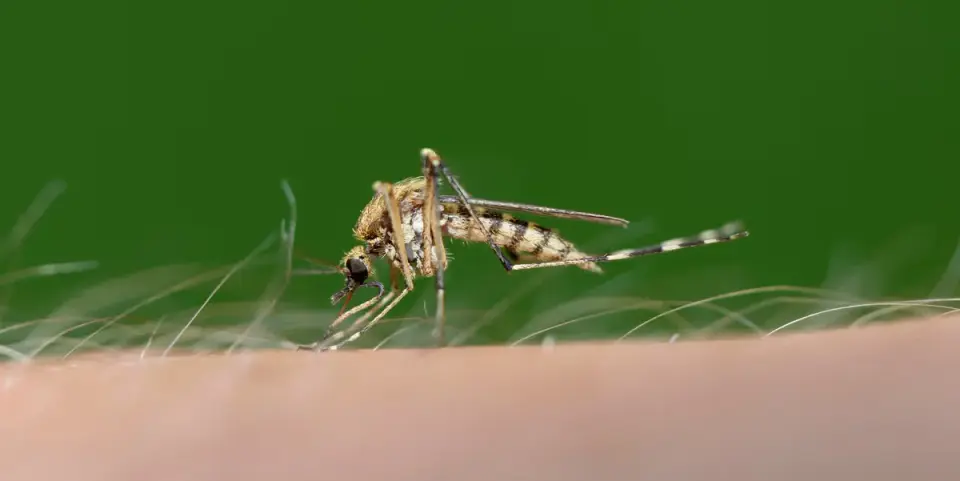
A new study and pest control experts explain that physical activity and individual skin microbiomes significantly influence mosquito attraction, suggesting that when and how you exercise can determine your risk of being bitten.
Key points
- Mosquitoes primarily locate hosts using carbon dioxide, body heat, and specific skin odors rather than sight.
- Exercising indoors with open windows increases CO2 output and sweat production, making individuals more detectable to pests.
- A Florida International University study found that specific skin bacteria and volatile organic compounds make some people consistently more attractive to certain mosquito species.
- Experts recommend using window screens, fans, and showering immediately after workouts to reduce attraction during peak feeding times.
Background
Previous coverage on healthy habits, such as regular movement and nutrition, emphasized their benefits for longevity and brain health. However, these articles did not address the unintended side effect of increased mosquito attraction due to physiological changes like elevated body temperature and metabolic byproducts.
How outlets are covering it
Good Housekeeping focuses on practical pest control advice, citing Ricky Young of Youngs Pest Control, who links evening workouts to increased mosquito activity due to CO2 and sweat. ScienceAlert highlights a scientific study from Florida International University, emphasizing that individual skin microbiomes and volatile organic compounds create distinct 'scent signatures' that some species prefer. WXYZ Channel 7 adds medical context, noting that factors like alcohol consumption, blood type, and pregnancy also influence attraction, while Deccan Herald frames the issue as a biological 'matchmaking' process based on chemical signatures. The outlets differ in focus: Good Housekeeping offers actionable tips, ScienceAlert details the biological mechanisms, and WXYZ provides broader medical risk factors.
Why it matters
Understanding the biological and behavioral factors that attract mosquitoes can help individuals reduce their risk of bites and the transmission of diseases like malaria and dengue. It also highlights the importance of timing physical activity and using preventive measures like screens and repellents to mitigate these risks.
What to watch
Researchers may develop targeted repellents or microbiome-based interventions to reduce mosquito attraction. Public health campaigns may integrate these findings into seasonal pest control advice, emphasizing the timing of outdoor activities and the use of protective measures during peak mosquito activity periods.
- 'I'm being eaten alive!' This healthy habit is making you a magnet for mosquitoes - here's what to do instead Good Housekeeping
- You're Not Imagining It – Some People Really Are More Attractive to Mosquitoes, Study Shows ScienceAlert
- This Week in Science: Mosquito Magnets, Bonus Benefits of GLP-1s, And More ScienceAlert
- Doctors say mosquitoes do play favorites; here's why some people are more likely to be bitten WXYZ Channel 7
- Mosquitoes too swipe ‘right’ on human of their choice—are you a perfect match? Deccan Herald
Want the full story? Read the original reporting
Read on Good Housekeeping