
Utah Mink Farm Bird Flu Outbreak Raises Pandemic Fears Amid Regulatory Inaction
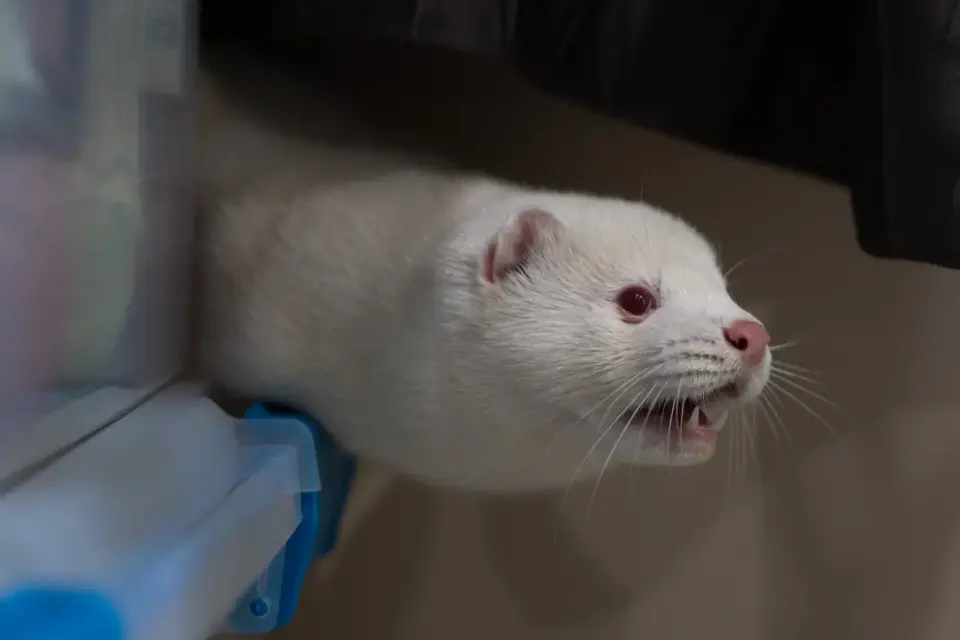
A two-month H5N1 outbreak at a Utah mink farm has gone uncontrolled due to a lack of federal culling mandates and state inaction, raising concerns among experts about potential viral mutation and human spillover, despite no confirmed human cases yet.
Key points
- H5N1 detected in mink at C&T Fenn Farms in Utah in August 2026, with up to 80% mortality projected.
- USDA lacks regulatory authority or funding to cull mink, unlike poultry, leading to no depopulation order.
- Utah officials declined to monitor workers for symptoms, citing a 2025 agreement prioritizing farmer privacy over public health surveillance.
- Mink airways share cellular receptors with humans, increasing the risk of viral mutation or reassortment with seasonal flu.
- Congress is considering the 2026 Farm Bill, which may allow federal export funding for the fur industry, despite the outbreak.
Background
This incident follows earlier coverage of regulatory gaps in Utah’s response to the outbreak, which began in August 2026. It occurs alongside the 2026 Farm Bill debate, where lawmakers consider lifting bans on federal marketing support for mink, and follows a 2020 COVID-19 outbreak on the same farm that prompted robust federal surveillance.
How outlets are covering it
ProPublica and animal welfare groups like the Animal Welfare Institute criticize the lack of culling and worker monitoring as a public health risk, noting that other countries depopulated mink farms quickly during similar outbreaks. USDA and Utah state veterinarian Amanda Price argue that no federal rules exist for mink culling and that they prioritized the farm’s economic survival and privacy. The farm owner, Chad Fenn, dismisses pandemic fears as exaggerated by activists, while flu experts like Tom Peacock and Gail Hansen call the inaction 'irresponsible' and a potential catalyst for a new pandemic.
Why it matters
The outbreak highlights a critical gap in the 'one health' approach, where mammalian hosts like mink could facilitate viral mutations that enable human-to-human transmission. The inaction risks a pandemic if the virus reassorts with seasonal flu, which started early in 2026, and exposes weaknesses in federal preparedness for non-poultry avian influenza outbreaks.
What to watch
USDA is awaiting new genomic samples from the farm to assess viral evolution. Congress will vote on the 2026 Farm Bill, which may expand federal support for the fur industry. Public health officials will continue to monitor for human cases, though active surveillance of workers remains suspended unless human-to-human transmission is confirmed.
- Bird Flu Is Raging on a Mink Farm. It Could Spark a Human Pandemic, Experts Say, but Officials Won’t Act. ProPublica
- Preliminary report on H5N1 highly pathogenic avian influenza in Utah mink, August 2026 Virological
- Bird Flu Hits U.S. Mink Farm for First Time, Raising New Fears About the Next Pandemic Vet Candy
- Animal welfare groups criticize response to bird flu outbreak at Utah mink farm Post Register
- Bird Flu on Utah Mink Farm Raises Biosecurity Questions Think Global Health
Want the full story? Read the original reporting
Read on ProPublica