
Creatine’s mainstream appeal shifts from bodybuilding to aging and cognitive health
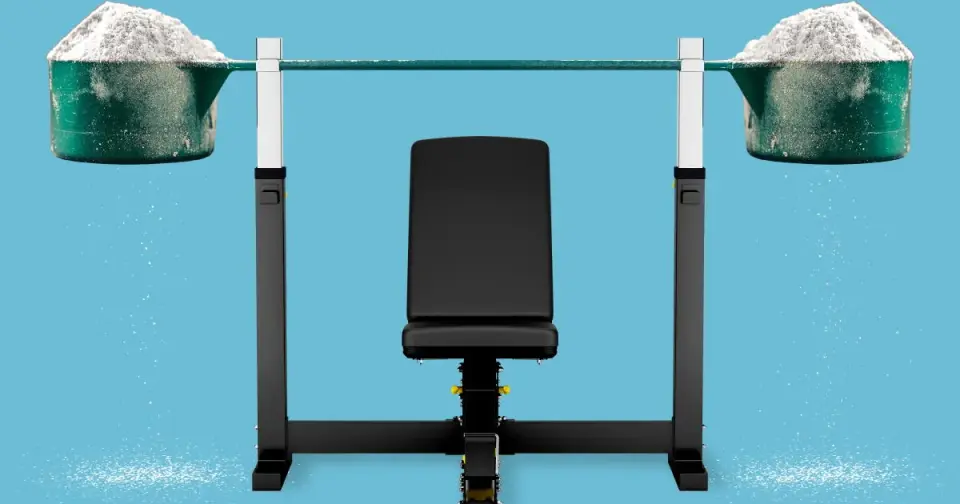
Creatine is no longer just for athletes; experts now recommend it for older adults and women in menopause to combat muscle loss and support bone health. While generally safe, it requires consistent daily dosing and should not replace a balanced diet.
Key points
- Creatine is a natural compound produced by the body and found in meat, primarily stored in muscles to replenish energy (ATP).
- Experts recommend 3-5g daily for adults, emphasizing consistency over timing, and advise starting with a lower dose to avoid gastrointestinal issues.
- While it aids strength and recovery, creatine does not build muscle on its own and must be paired with resistance training and adequate nutrition.
- It is generally safe for healthy adults but is not recommended for those with kidney/liver disease, pregnant/nursing women, or adolescents without medical advice.
- Consumers should look for third-party tested products (e.g., NSF certified) to ensure purity, as creatine is not FDA-regulated.
Background
This story follows a broader trend in 2026 where consumers are scrutinizing unregulated supplements and experimental substances, such as peptides and GLP-1 drugs, for side effects and efficacy. While GLP-1 drugs have been linked to muscle loss, creatine is emerging as a potential countermeasure for age-related muscle decline.
How outlets are covering it
The Los Angeles Times highlights creatine's broad appeal for aging adults and women in menopause, citing experts who debunk myths about dehydration and kidney damage. Men's Fitness focuses on cognitive benefits and recovery, noting that creatine supports brain function during sleep deprivation. Darwin Nutrition provides a more cautious view, pointing out that only 9% of studies focus on women and that bone density benefits remain unconfirmed in larger trials. All sources agree that creatine is safe but emphasize the importance of a solid nutritional foundation.
Why it matters
As the population ages, creatine is becoming a mainstream tool for maintaining physical and cognitive health, not just athletic performance. Understanding its proper use and safety profile is crucial for consumers navigating the unregulated supplement market.
What to watch
Expect more research on creatine's cognitive and bone health benefits, particularly in women and older adults. Consumers should continue to prioritize third-party tested products and consult healthcare providers before starting supplementation.
- Creatine isn’t just for athletes. Here’s who should be taking it (hint: probably you) Los Angeles Times
- Creatine vs protein powder: One builds strength. One supports recovery. Here's how to choose Women's Health
- Menopause, muscle mass… what creatine really does for women Darwin Nutrition
- Creatine in your 40s: I tried the supplement best known for building muscle and discovered benefits beyond the gym Men's Fitness
- Want 'increased energy' and 'improved focus'? Amazon reviewers say this creatine powder does the trick — and it's on sale Yahoo Lifestyle Canada
Want the full story? Read the original reporting
Read on Los Angeles Times