
Study in Nature Reveals Microplastics Generate Harmful Free Radicals in Water
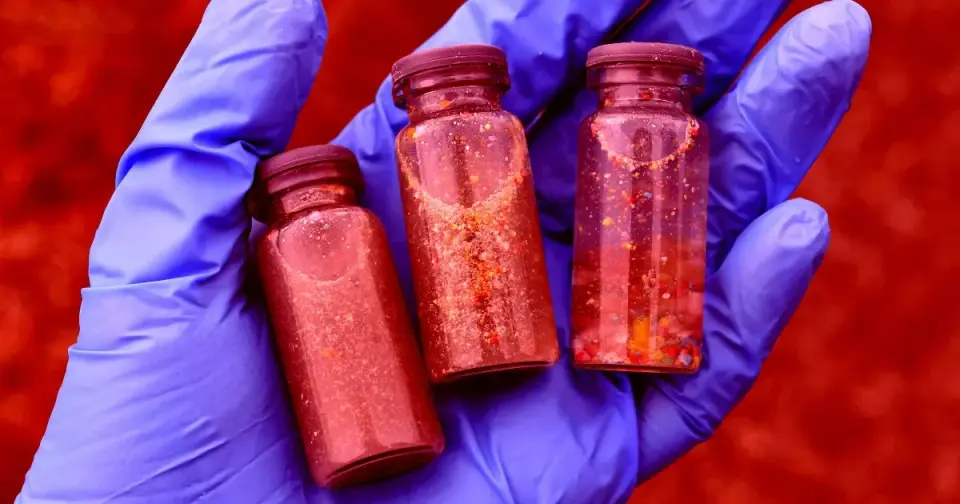
A new study published in Nature challenges the long-held belief that plastics are chemically inert. Researchers from Columbia University found that when microplastics interact with water, they spontaneously generate reactive oxygen species (ROS), or free radicals. These unstable molecules can damage cells and DNA. The study tested six common plastics, finding that more hydrophobic types like polyethylene and polypropylene produced the most ROS. When exposed to mouse red blood cells, these radicals caused cell rupture and shape changes. While the research does not prove direct human disease causation, it offers a mechanism for how microplastics may cause oxidative stress and inflammation in the body, where water is abundant. This finding adds to concerns about microplastics found in food, water, and human tissues.
Key points
- Columbia University researchers published a study in Nature on October 14, 2026, showing microplastics exhibit 'intrinsic physicochemical activity' in water.
- The study found that microplastics generate reactive oxygen species (ROS), specifically hydroxyl radicals, when in contact with water.
- ROS are unstable, high-energy molecules known to damage cells, promote inflammation, and potentially cause DNA mutations.
- The chemical activity increases as plastic fragments into smaller particles, increasing surface area and hydrophobicity.
- Polyethylene and polypropylene generated the most ROS, while poly(methyl methacrylate) generated the least.
- Exposure of mouse red blood cells to these microplastics resulted in cell rupture and shape changes, correlating with ROS levels.
Background
In 2024, a Columbia University team found that bottled water contained 10 to 100 times more microplastics than previously believed, with 90% being nanoplastics small enough to cross the blood-brain barrier. In April 2026, the US federal government announced a $144 million effort to study microplastics in drinking water, with EPA Administrator Lee Zeldin and HHS Secretary Robert F. Kennedy Jr. listing microplastics as contaminants. Previous studies have linked microplastics to cardiovascular disease, reproductive issues, and neurological problems, but the molecular mechanism remained unclear until this new research.
How outlets are covering it
Futurism emphasizes the alarming implications for human health and the food supply chain, noting that food packaging accounts for 40% of global plastic production and that consumers cannot easily avoid exposure. The Los Angeles Times highlights the specific chemical mechanism, noting that polyethylene and polypropylene generated more ROS, and mentions the potential mitigation by surfactants. Smithsonian Magazine focuses on the shift from viewing plastic as inert to chemically active, quoting experts who note that while the effect might be dampened by body lipids, the long-term health impacts remain a major concern. All sources agree on the novelty of the finding but differ in emphasis: Futurism on societal impact, LA Times on chemical specifics, and Smithsonian on the broader health implications and expert caution regarding premature conclusions.
Why it matters
This research provides a potential molecular explanation for the health risks associated with microplastics, which are ubiquitous in the environment and human body. If microplastics generate free radicals in the body, they could contribute to oxidative stress, inflammation, and cellular damage, potentially explaining links to chronic diseases. This challenges the assumption that plastics are safe and inert, urging a reevaluation of plastic use in food packaging and daily life. It also highlights the need for further research into how these chemical reactions translate to human health outcomes and whether natural body defenses can mitigate the damage.
What to watch
Researchers will continue to investigate how these chemical reactions occur in complex biological systems, including the role of lipids and other surfactants in mitigating ROS production. The US government's $144 million initiative will likely fund further studies on microplastics in drinking water and human health. Scientists may develop safer plastic materials that do not generate reactive oxygen species at their interfaces. Public health officials may update guidelines on plastic exposure based on new evidence of chemical activity.
- This New Research About Microplastics Is Pretty Damn Scary Futurism
- New research shows how microplastics and water interactions could lead to cell damage Los Angeles Times
- Intrinsic physicochemical activity at microplastic–water interfaces Nature
- Microplastics Have Been Linked With Myriad Human Health Problems. Scientists May Have Finally Figured Out How They Harm the Body Smithsonian Magazine
- Microplastics Are Chemically Alive and Probably Up to No Good Gizmodo
Want the full story? Read the original reporting
Read on Futurism