
Nutritionists Rank Eight Beans for Heart Health and Budget-Friendly Protein
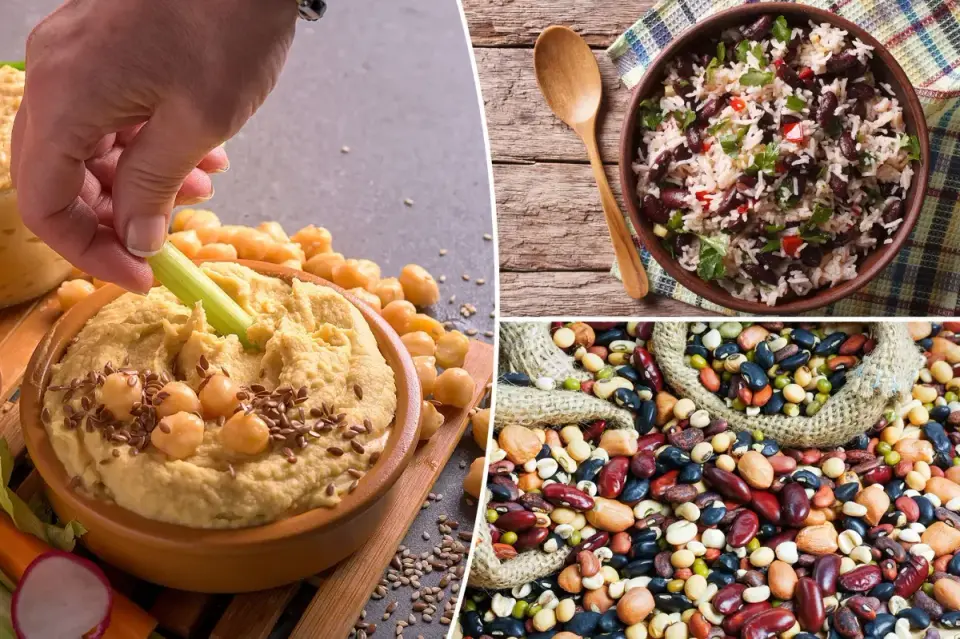
Nutrition experts rank eight beans and legumes for their protein, fiber, and heart-health benefits, noting that fewer than 14% of US adults eat them daily despite their affordability and nutrient density.
Key points
- Samantha Cassetty, a New York-based wellness expert, ranks black beans, chickpeas, lentils, edamame, white beans, pinto beans, kidney beans, and black-eyed peas as top choices.
- Black beans provide 8 grams of protein and 8 grams of fiber per half-cup serving, while edamame and white beans offer 9 grams of protein per half-cup.
- Pinto beans may lower total and LDL cholesterol by more than 8% in some trials, outperforming oatmeal, according to Cassetty.
- Kidney beans may reduce inflammatory markers associated with high-fat diets, while black-eyed peas are highlighted for their iron content.
- Canned beans are described as one of the cheapest protein sources available, requiring only rinsing and draining for preparation.
Background
Recent coverage has emphasized the role of protein in aging and muscle preservation, while other studies explore time-restricted eating and the risks of protein overload. This story aligns with broader discussions on affordable, nutrient-dense foods that support long-term health without excessive cost or complexity.
How outlets are covering it
Fox News and the New York Post rely heavily on Samantha Cassetty’s rankings and specific nutritional data, such as protein and fiber counts per serving. In contrast, Nine.com.au features dietitian Joel Feren, who broadens the scope to include tinned tomatoes, fish, and vegetables, emphasizing that canned foods preserve nutritional value and reduce barriers to healthy eating. While Cassetty focuses on specific bean varieties and their cholesterol-lowering potential, Feren highlights the versatility of legumes in various dishes and the importance of choosing low-sodium options. Both sources agree on the affordability and health benefits of beans but differ in their emphasis on specific varieties versus a wider range of canned staples.
Why it matters
As grocery prices rise and chronic disease rates climb, beans offer a practical, low-cost solution for improving diet quality. Their high fiber and protein content support heart health, blood sugar control, and satiety, making them a critical component of affordable, sustainable nutrition strategies for diverse populations.
What to watch
Expect continued focus on affordable, nutrient-dense foods in nutrition guidelines and public health campaigns. Consumers may increasingly turn to canned and legume-based meals as a cost-effective way to meet dietary needs, particularly as inflation pressures persist. Further research may explore the long-term health impacts of regular bean consumption across different populations.
- The 8 healthiest beans you should be eating more often: nutrition expert New York Post
- The 8 healthiest beans you should be eating more often, according to nutrition expert Fox News
- A dietitian keeps three cans in her pantry: legumes, fish and vegetables, the budget staples Vanessa Bedjaï-Haddad reaches for when there is no time to shop OkDiario
- Sardines, beans and beyond: The tinned foods a dietitian says you should put in your trolley Nine.com.au
- 8 Canned Vegetables You Should Always Keep in Your Pantry marthastewart.com
Want the full story? Read the original reporting
Read on New York Post