
Illinois Parks Rank High in National Tick Risk Amid Alpha-Gal Surge
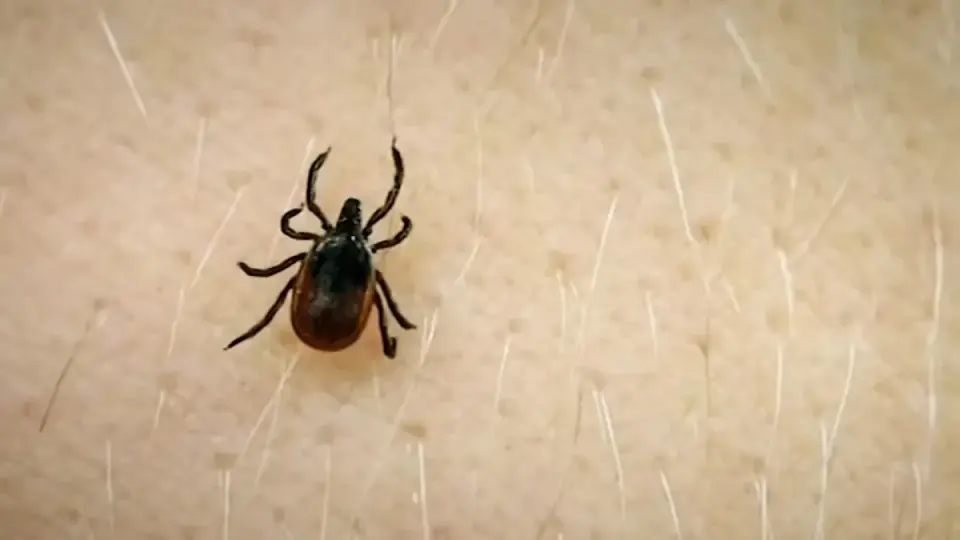
Starved Rock and Mississippi Palisades state parks in Illinois have been identified as among the highest-risk locations in the United States for tick-borne diseases. The rankings, published by World Atlas, cite dense woodlands and high visitor numbers as key factors. Concurrently, Illinois is experiencing a rise in alpha-gal syndrome, a meat allergy triggered by lone star tick bites, prompting health officials to monitor the growing threat.
Key points
- Starved Rock State Park ranked No. 8 and Mississippi Palisades State Park ranked No. 9 on a national list of state parks with the highest tick-borne illness risk.
- World Atlas cited dense woods and heavy visitation as reasons for Starved Rock’s high risk rating, while both parks were noted for high blacklegged tick populations.
- Chris Stone, a medical entomologist at the University of Illinois, reported an increasing number of alpha-gal syndrome cases in the state.
- Alpha-gal syndrome is a life-threatening allergy to meat caused by lone star tick bites, with symptoms including hives, diarrhea, and itchiness.
- The CDC identified over 110,000 suspected alpha-gal cases between 2010 and 2022, though up to 450,000 people may be affected due to underreporting.
Background
This development follows earlier coverage in August 2026 where Illinois parks were highlighted in broader U.S. tick-borne illness risk assessments. Previous reports noted that Starved Rock and Mississippi Palisades were included in lists of high-risk sites alongside parks in New York, Pennsylvania, and Wisconsin. The current news adds specific national rankings and emphasizes the rising prevalence of alpha-gal syndrome, a condition linked to the expanding habitat of the lone star tick.
How outlets are covering it
NBC Chicago and WROK 1440 AM focused on the specific national rankings of Illinois parks and the rising cases of alpha-gal syndrome, citing World Atlas and the University of Illinois. Q98.5 provided a broader overview of Illinois state parks on the tick list but did not detail the specific rankings or the alpha-gal syndrome connection as prominently. The Yahoo source, while titled regarding New York parks, contained no relevant content for this story, appearing instead as a technical error page. The primary sources agree on the high risk posed by blacklegged ticks in Illinois parks but differ in emphasis, with NBC Chicago highlighting the alpha-gal syndrome trend more heavily.
Why it matters
The high ranking of Illinois parks underscores the need for increased public awareness and preventive measures against tick-borne illnesses. The rise in alpha-gal syndrome cases indicates a shifting landscape of tick-borne diseases in the Midwest, moving beyond traditional Lyme disease concerns to include severe meat allergies. This trend could impact public health strategies, outdoor recreation safety, and medical diagnostics in the region.
What to watch
Health officials in Illinois are expected to continue monitoring alpha-gal syndrome cases and may issue further public health advisories. Researchers at the University of Illinois may expand studies on lone star tick habitats and transmission. Visitors to Starved Rock and Mississippi Palisades are advised to take preventive measures such as using repellent and performing tick checks after outdoor activities.
- Two Illinois sites rank among highest-risk state parks for tick-borne illness in the US NBC 5 Chicago
- Starved Rock State Park on national list for tick exposure/disease starvedrock.media
- Why are 2 New York state parks top tick hotspots? What to know Yahoo
- Two Illinois State Parks See Rising Tick Problems And Alphagal Syndrome Cases WROK 1440 AM / 96.1 FM
- Family Reportedly Picks Up 30+ Ticks At Popular Rockford-Area Park Q98.5
Want the full story? Read the original reporting
Read on NBC 5 Chicago