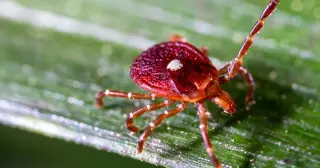
Tag

Alpha Gal Syndrome

All articles tagged with #alpha gal syndrome

Martha's Vineyard Hosts First-of-Its-Kind Alpha-Gal Allergy Study
health41 minutes ago

Martha's Vineyard Hosts First-of-Its-Kind Alpha-Gal Allergy Study

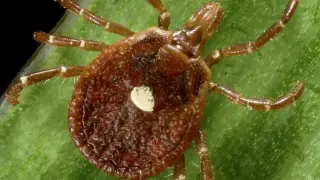
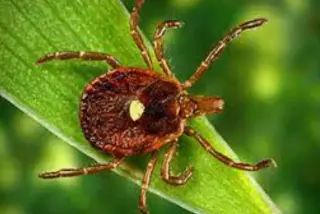
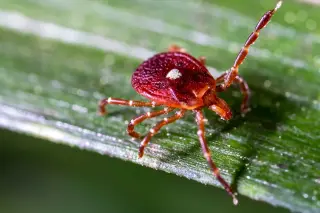
Mass General Brigham’s Martha’s Vineyard Hospital will enroll up to 300 island residents who have been bitten by a lone-star tick in a two-year study to understand which people develop alpha-gal syndrome, what risk factors exist, and how the immune system changes over time, with hopes of informing diagnosis, prevention and potential treatments.

San Antonio Summer Bug Guide: Cyclospora, Typhus, and Mosquito Watch
health29 days ago

San Antonio Summer Bug Guide: Cyclospora, Typhus, and Mosquito Watch

A San Antonio summer health guide notes that cyclosporiasis is part of a nationwide outbreak (over 11,500 cases) with 15 local San Antonio cases so far this summer, while cryptosporidiosis remains a risk at pools and water venues. South Texas also faces tickborne alpha-gal syndrome and flea-borne murine typhus, and West Nile Virus has been detected in local traps. Experts advise thorough washing or cooking of produce, staying hydrated, using protective clothing and insect repellent outdoors, eliminating standing water, and ensuring flea prevention for pets and rodent control at home.

Wisconsin Faces Surge of Lone Star Ticks Linked to Red Meat Allergy
health1 month ago

Wisconsin Faces Surge of Lone Star Ticks Linked to Red Meat Allergy

Wisconsin is seeing a northward rise in lone star ticks, the main carrier of alpha-gal syndrome, with 33 ticks identified so far in 2026—more than five times 2025—while overall tick activity is high and the climate may be expanding their range. Alpha-gal can trigger a red meat and dairy allergy, though not everyone develops symptoms; other ticks may also carry the allergy. A resident case illustrates life-changing impacts, and officials recommend prevention: protective clothing, repellents, permethrin-treated gear, and thorough tick checks.

Tick bites can trigger a meat allergy: understanding alpha-gal syndrome
health1 month ago

Tick bites can trigger a meat allergy: understanding alpha-gal syndrome

Alpha-gal syndrome is a tick-bite–triggered allergy to a sugar in most mammal tissues, meaning that after a tick bite, eating meat (and some other animal products) can trigger symptoms like hives, nausea or more severe reactions, with onset often 2–6 hours later. The Lone Star Tick is a primary carrier in the U.S., though other ticks can cause it. There’s no cure; testing is increasingly available. Prevention focuses on avoiding tick bites via protective clothing, repellents, yard maintenance, and routine tick checks, and Michigan health officials warn the risk may grow as tick populations expand.

Tick-bite allergy drives push to classify alpha-gal as major allergen
health1 month ago

Tick-bite allergy drives push to classify alpha-gal as major allergen

Advocates are pushing to classify alpha-gal syndrome — a meat- and dairy-allergy triggered by lone star tick bites — as the 10th major food allergen, a move they say would improve labeling and protections. The effort includes outreach to lawmakers, like Rep. Jake Auchincloss, and personal stories such as Erica Pernell’s about needing to check medications and foods for animal-derived ingredients.

Ticks and Mosquitoes Are Expanding Health Threats Across the U.S.
health1 month ago

Ticks and Mosquitoes Are Expanding Health Threats Across the U.S.

Climate change and landscape changes are helping ticks and mosquitoes spread to new regions in the U.S., boosting the incidence of Lyme disease, babesiosis, anaplasmosis, alpha-gal syndrome, and other vector-borne illnesses. Emergency department visits for tick bites are at a multi-year high, and experts warn the trend will worsen as warming continues. Prevention via repellents, permethrin-treated clothing, reducing standing water, and other environmental tweaks is key, with vaccines and new tick-control tools in development.

Early tick surge expands across the U.S. as warming reshapes habitats
health1 month ago

Early tick surge expands across the U.S. as warming reshapes habitats

Emergency room visits for tick bites began rising in March and remained high through April–June 2026, with the surge linked to warmer temperatures that are expanding tick habitats. Ticks can transmit diseases such as Lyme and Alpha-gal syndrome; prevention includes removing ticks quickly (within 24 hours), using permethrin on clothing and skin repellents, wearing long, light-colored clothing, and checking pets and yourself after outdoor time. The Northeast and Midwest bear most cases, but tick ranges are broadening and risk remains nonzero even in familiar areas.

Tick Exposure May Put More Americans at Risk for Red-Meat Allergy, CDC Finds
science1 month ago

Tick Exposure May Put More Americans at Risk for Red-Meat Allergy, CDC Finds

A CDC analysis of 3,000 blood samples from 10 states found about 24% of adults in five states with high lone star tick presence have antibodies to alpha-gal, indicating prior tick bites and exposure to the sugar molecule linked to alpha-gal syndrome—a lifelong red-meat allergy that can trigger reactions hours after eating meat. Experts caution that antibodies signal exposure, not a diagnosed condition, but rising tick spread and migration may increase future risk; prevalence estimates vary and not all cases are reported, underscoring the need for more research.

Tick-Borne Antibody Signals Higher Red Meat Allergy Risk Than Expected
health1 month ago

Tick-Borne Antibody Signals Higher Red Meat Allergy Risk Than Expected

A CDC analysis of 3,000 adults across 10 states found about 24% in five states with high lone star tick activity have antibodies to alpha-gal, indicating prior tick bites and potential risk for alpha-gal syndrome (a red meat allergy). Antibodies show exposure, not disease, so not everyone will develop symptoms. The true prevalence is uncertain, and cases are not nationally notifiable; ticks and affected areas may expand as deer move and winters warm. Symptoms typically appear hours after eating red meat, and the condition is lifelong once developed.

Ticks Are Expanding: Vaccine News and Practical Tips to Prevent Lyme Disease and Alpha-Gal Syndrome
health2 months ago

Ticks Are Expanding: Vaccine News and Practical Tips to Prevent Lyme Disease and Alpha-Gal Syndrome

Ticks are spreading into new areas, raising Lyme disease and alpha-gal syndrome risks. Scientists are advancing vaccines (Pfizer’s Lyme vaccine showed strong results) and other therapies, along with improved diagnostic tests, with the long-term goal of a universal anti-tick vaccine. In the meantime, individual prevention matters: use EPA-approved repellents, treat clothing with permethrin, check yourself and your gear after outdoor time, and beware that tiny summer nymphs are easy to miss. Early diagnosis and staying informed are key, even as concerns about federal funding for tick biology linger.

Tick bites spark a life-threatening meat allergy: alpha-gal syndrome
health2 months ago

Tick bites spark a life-threatening meat allergy: alpha-gal syndrome

Alpha-gal syndrome is a potentially life‑threatening meat allergy triggered by lone star tick bites, causing delayed reactions after eating mammal meats while seafood and poultry are safe. About 450,000 Americans are affected as the lone star tick’s range expands. The allergy results from antibodies to the alpha-gal sugar introduced by bites; diagnosis combines symptoms with a blood test, though tests can yield false positives. Management typically involves avoiding mammal meats (and sometimes dairy) and carrying an epinephrine injector. In 2024 the FDA approved Xolair to reduce severe reactions, with ongoing research into additional therapies; some patients may outgrow the condition after years, but avoiding new tick bites remains crucial.

Tick bites can trigger a rare meat allergy: alpha-gal syndrome explained
health2 months ago

Tick bites can trigger a rare meat allergy: alpha-gal syndrome explained

Alpha-gal syndrome is a life-threatening meat allergy linked to tick bites, especially from the lone star tick, estimated to affect about 450,000 Americans. Symptoms typically appear hours after consuming mammal meat or dairy, and diagnosis relies on symptoms plus blood tests that can yield false positives. Management centers on avoiding beef, pork, and lamb, carrying an epinephrine injector, and, in 2024, FDA-approved Xolair to reduce severe reactions; some patients may outgrow the allergy over years, while researchers are exploring additional therapies and considerations like GalSafe pig meat and certain medical implants.

Tick bites can trigger a mammal-meat allergy: the rise of alpha-gal syndrome and new treatments
health2 months ago

Tick bites can trigger a mammal-meat allergy: the rise of alpha-gal syndrome and new treatments

Alpha-gal syndrome is a mammal-meat allergy triggered when certain ticks inject the sugar alpha-gal into the bloodstream, provoking antibodies and reactions hours after eating beef, pork, or lamb. Cases are rising as tick habitats expand, and diagnosis combines symptoms with blood tests (which can yield false positives). Management centers on avoiding mammal meats and certain byproducts; a small number of pigs engineered to lack alpha-gal (GalSafe) are FDA-approved for consumption, and the FDA approved Xolair (omalizumab) in 2024 to reduce severe reactions, with more therapies in the works. The allergy can fade in 15–20% of people after years with strict tick-bite avoidance.