
New Trial Shows Simple Puzzles and Lifestyle Advice Can Reverse Mild Cognitive Decline
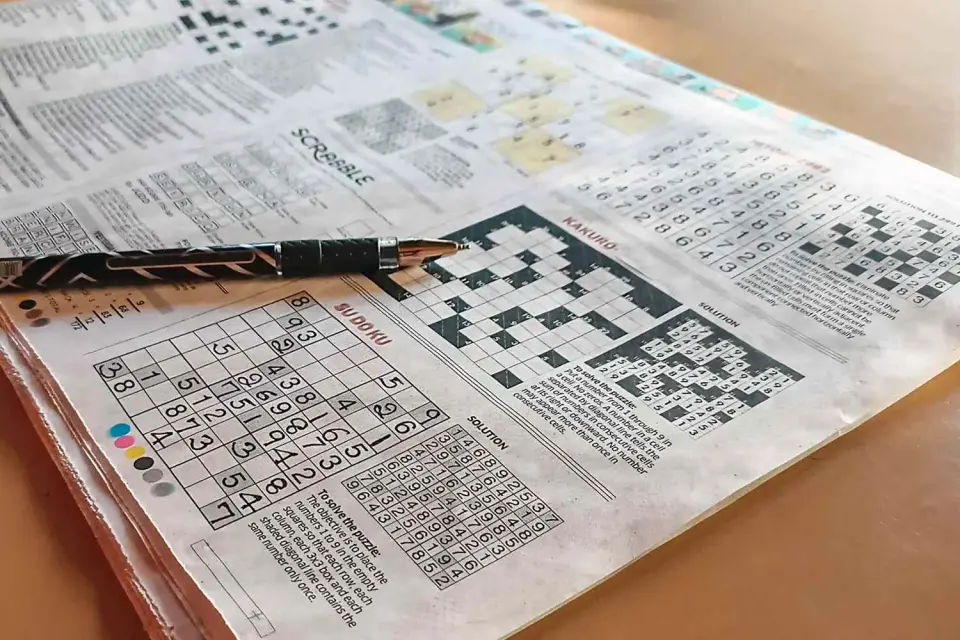
A large study published in Lancet Primary Care indicates that simple lifestyle changes, including puzzle-solving, can reverse mild cognitive decline in older adults. While experts debate the specific types of brain exercises most effective for aging, evidence suggests that consistent mental stimulation combined with physical activity supports long-term brain health.
Key points
- A September 2026 study in Lancet Primary Care analyzed 11,563 adults aged 60 to 85 in the UK, finding that access to cognitive exercises and lifestyle advice improved cognitive scores for all participants.
- Approximately 28.4% to 32.8% of participants no longer met the criteria for age-related cognitive decline after 12 months of intervention, with those using a digital platform showing an 8% reduction in mild impairment.
- Experts like Daniel Fenton, Ph.D., note that crosswords and Sudoku engage semantic memory and working memory, while jigsaw puzzles test visuospatial skills, though long-term preventive benefits remain unproven.
- Dr. Paul Little, co-lead of the study, emphasized that the brain remains plastic in older age, and simple, low-cost activities can yield significant cognitive improvements without requiring high technical support.
- Critics caution that while these activities support brain health, they do not guarantee the prevention or reversal of dementia, and individual deficits may require targeted exercises rather than generic puzzles.
Background
Recent coverage has highlighted the ongoing debate over the efficacy of generic brain games. In October 2026, neurologist Dr. Rhonda Voskuhl argued that standard puzzles fail to address specific deficits like menopause-related brain fog, advocating for targeted speed drills instead. This contrasts with broader findings that general cognitive engagement, such as socializing and learning new skills, can build a cognitive reserve and delay symptoms of neurodegenerative diseases.
How outlets are covering it
Martha Stewart highlights the specific cognitive skills engaged by different puzzles, such as verbal fluency for crosswords and logical deduction for Sudoku, citing a 2022 trial where crosswords outperformed computerized games for mild cognitive impairment. The Star focuses on the large-scale Lancet study, emphasizing that simple lifestyle advice and digital puzzle access can reverse cognitive decline in nearly a third of participants. Yoursun.com broadens the scope, suggesting that activities like dancing, learning languages, and socializing are equally vital for strengthening neural networks and combating isolation, which is a key risk factor for dementia.
Why it matters
As the global prevalence of dementia rises, with 57 million people affected in 2021, accessible and low-cost interventions are critical. The finding that simple, non-technical activities can improve cognitive scores offers a practical, scalable solution for healthcare systems and individuals seeking to maintain mental sharpness without expensive treatments or specialized medical support.
What to watch
Researchers and healthcare providers are expected to continue exploring the long-term sustainability of these cognitive improvements. Future studies may focus on whether the benefits of digital puzzle platforms and lifestyle advice persist beyond the 12-month mark and how they apply to individuals with confirmed diagnoses of dementia or severe cognitive impairment.
- The Best Types of Puzzles to Keep Your Brain Sharp as You Age Martha Stewart
- Small daily activities may help ease dementia caregivers’ stress Michigan Medicine
- Activities that exercise the brain yoursun.com
- Doing puzzles part of the key to keeping your brain sharp The Star
- Small daily activities may help ease dementia caregivers' stress Medical Xpress
Want the full story? Read the original reporting
Read on Martha Stewart