
Otolaryngologist Cautions Travelers on Nasal Sanitizer Efficacy
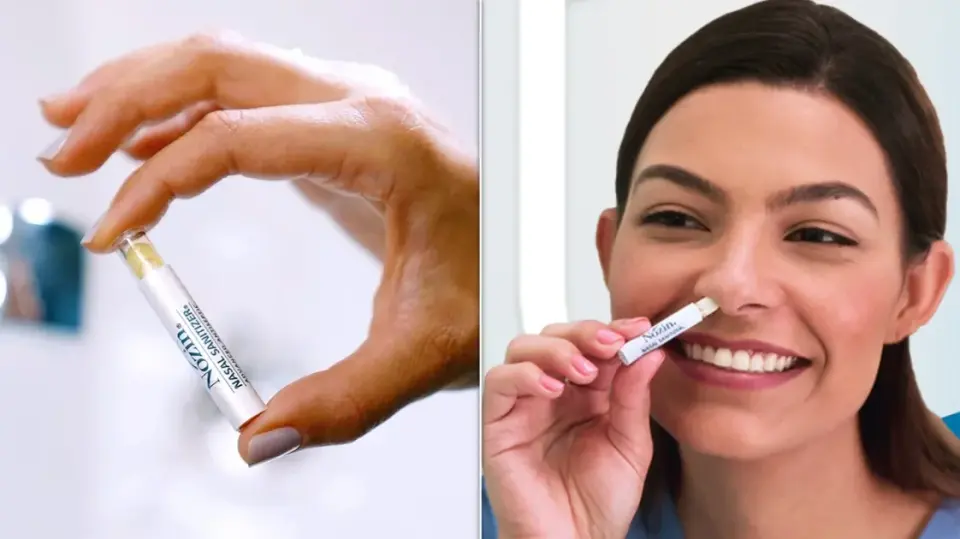
A board-certified otolaryngologist explains that while nasal sanitizers like Nozin can reduce surface bacteria, they are limited in effectiveness against deep-seated respiratory viruses. Experts recommend these tools only as complementary measures to primary prevention strategies such as vaccination and hand hygiene.
Key points
- Dr. Geoffrey Trenkle, founder of the Los Angeles Center for Ear, Nose, Throat and Allergy, notes that the nose is a primary entryway for respiratory pathogens.
- The Nozin nasal sanitizer uses a 62% alcohol-based antiseptic mixed with hydrators like jojoba and vitamin E to combat microbial counts in the front nasal section.
- Trenkle warns that many respiratory viruses replicate deeper in the nasal passages and upper airway, limiting the reach of surface-level antiseptics.
- Amazon reviewers claim the product helps prevent illness during travel, crowded events, and hospital shifts, though these are anecdotal accounts.
- Medical experts emphasize that hand hygiene, vaccination, and avoiding contact with symptomatic individuals remain the most effective preventive measures.
Background
Since the COVID-19 pandemic, consumers have sought additional layers of protection against respiratory germs. While masks and hand washing remain standard, products like nasal sanitizers have gained popularity among frequent travelers and healthcare workers seeking supplementary defense against airborne pathogens.
Why it matters
As travel season resumes, understanding the limitations of over-the-counter hygiene products is crucial. Relying solely on nasal sanitizers may provide a false sense of security against serious respiratory infections, highlighting the need for evidence-based preventive practices.
What to watch
Consumers are encouraged to consult healthcare providers before using new supplements or antiseptics. Continued research into mucosal health and antiseptic efficacy may clarify the role of such products in public health strategies.
Want the full story? Read the original reporting
Read on HuffPost