
Sleep Experts Weigh In on the Sock-to-Bed Trend: Modest Benefits, Real Risks
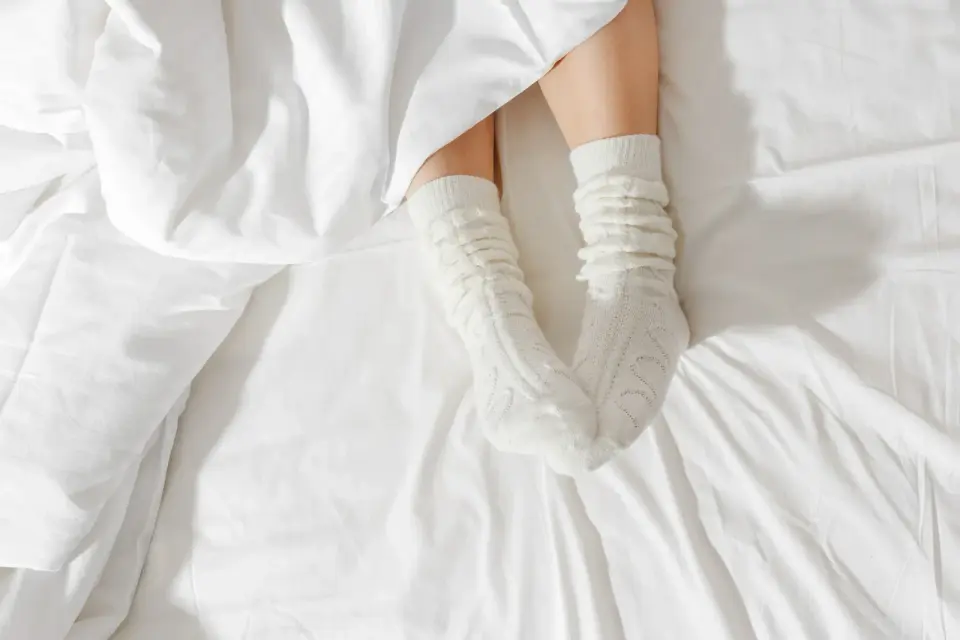
Sleep specialists confirm that wearing socks to bed can help lower core body temperature, potentially aiding sleep onset for those with cold feet. However, experts caution that the evidence is modest and not a universal cure. While generally safe for healthy adults, individuals with diabetes, neuropathy, or circulation issues must avoid tight or non-breathable socks to prevent skin irritation and infection. The consensus is that loose, moisture-wicking socks are a low-risk habit, but not a guaranteed solution for insomnia.
Key points
- Core body temperature naturally drops at bedtime as part of the circadian rhythm, a process that signals drowsiness.
- The soles of the feet contain specialized blood vessels that regulate heat; warming them can help the body shed heat more efficiently.
- Some small studies suggest warming feet may shorten the time it takes to fall asleep and improve sleep quality, but evidence is not strong enough to be considered a proven cure.
- For most healthy adults, sleeping with socks is safe, provided the socks are loose, clean, and breathable to avoid moisture buildup and skin irritation.
- People with diabetes, peripheral neuropathy, or circulation problems should be particularly cautious, as tight socks or friction can lead to serious complications.
Background
This topic follows recent coverage on factors that disrupt sleep quality, such as caffeine's impact on deep sleep even when total sleep duration is adequate. While caffeine affects brain activity, the sock-to-bed trend focuses on the physiological mechanism of thermoregulation. Both topics highlight that sleep quality is influenced by specific physiological processes that may not be immediately apparent to the sleeper.
Why it matters
As adults age, particularly those in their 50s and 60s, cold feet and interrupted sleep become more common complaints. This simple, low-cost habit offers a potential avenue for improving sleep onset without relying on expensive supplements or devices. However, understanding the nuances of who benefits and who might be at risk is crucial for safe implementation.
What to watch
No further developments are expected, as this is a static wellness tip. Individuals considering the practice should focus on selecting appropriate sock materials and fit, and consult their healthcare provider if they have underlying conditions affecting circulation or nerve function.
Want the full story? Read the original reporting
Read on Woman's World