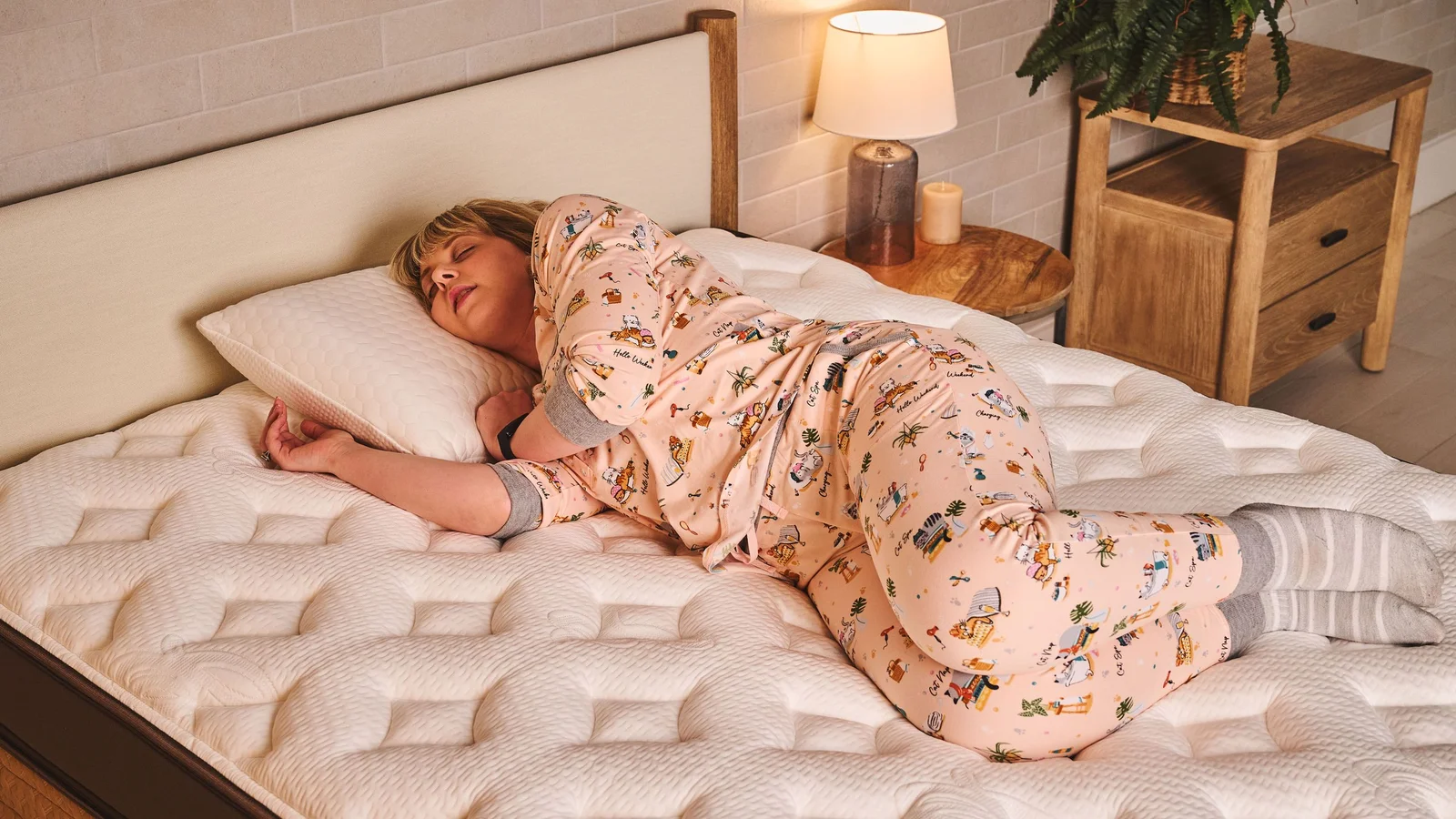
Medical experts advise that propping up the head during sleep can alleviate symptoms of sleep apnea and acid reflux but may worsen neck strain and spinal alignment. The optimal approach depends on individual health conditions, requiring a balance between respiratory benefits and musculoskeletal risks.
A Woman’s World article details a 30-second breathing technique attributed to neuroscientist Andrew Huberman, claimed to help readers who wake at 3 AM fall back asleep. The method involves slow, controlled breathing to lower arousal levels. While the article presents this as a quick fix for fragmented sleep, it lacks independent clinical validation in the provided text.
Sleep experts advise new university students to maintain a consistent waking time, avoid alcohol and excess caffeine, and limit screen use before bed to improve rest. These habits help regulate the circadian rhythm and support learning, while also reducing the risks associated with freshers' flu and meningitis.
As adults age, muscles become less responsive to protein and other growth signals, making post-exercise recovery critical for preserving strength. Fitness coach Jacob Zemer, who primarily works with clients aged 35 to 55, emphasizes that recovery is as important as the workout itself. He recommends six key strategies: prioritizing seven to nine hours of quality sleep, undergoing regular bloodwork to monitor hormonal changes, using heat therapy to improve circulation, stretching to restore muscle length, consuming adequate protein and hydration, and allowing time for the nervous system to de-stress. Zemer notes that while mild soreness is normal, pain lasting more than two or three days indicates overtraining, and advises reducing workout intensity by 30% if recovery is prolonged.
Sleep trackers and their 'sleep scores' have surged since wearables first hit the market, but doctors say these scores aren’t scientifically validated and fixating on them can worsen sleep and daytime function. The piece highlights orthosomnia and even lawsuits challenging tracker accuracy. Experts advise focusing on simple sleep-hygiene: keep the bedroom cool, dark, and quiet; get morning light; engage in light exercise; and follow a Mediterranean-style diet rather than chasing a perfect score.
Insomnia is the most common sleep disorder, defined by trouble falling or staying asleep and daytime consequences like fatigue and difficulty concentrating. Chronic insomnia is diagnosed when symptoms occur at least three nights per week for three months or longer. It typically arises from a mix of biological, psychological, and lifestyle factors—stress, anxiety/depression, medical conditions, menopause, medications, caffeine/alcohol use, irregular schedules, and screen time. The most effective long-term treatment is cognitive behavioral therapy for insomnia (CBT-I), which changes thoughts and behaviors around sleep and builds healthier routines. Sleep hygiene practices (regular bed/wake times, limiting caffeine and alcohol, a cool dark room, and minimizing late-night screens) can help, while medications may offer short-term relief but are not ideal long-term solutions. Seek medical evaluation if sleep problems significantly impair daytime functioning or are accompanied by loud snoring, gasping, restless legs, or mood changes.
A reporter tests seven days without an alarm, following expert sleep guidance. By regularizing bedtime, using blackout blinds and exposing bright morning light, establishing a predictable wind‑down routine, cooling the sleep environment, and minimizing phone use (greyscale mode and a blocking app), she gradually reset her internal clock to wake around 8am with less grogginess. She also limits caffeine, eats meals at consistent times, and avoids alcohol when possible. The experiment shows progress but notes that shifting the circadian rhythm is slow and individual, requiring patience and gradual adjustments (e.g., half-hour shifts) to sustain natural wake-ups long-term.
GQ outlines an expert-backed 11-step plan to fall asleep quickly, stay asleep, and wake energized, emphasizing a calming pre-sleep ritual, sensory cues, consistent schedule, neutral bedroom, quality bed, white noise, cool room, limited light, tech unplugging, and a brain dump.
A practical 11-step plan—backed by Harvard sleep experts and a real-life case—that teaches how to fall asleep quickly, stay asleep, and wake refreshed. It covers establishing a pre-bed ritual, sensory cues, a consistent schedule, a neutral bedroom, quality bedding, white-noise, a cool room, getting out of bed if you’re awake, blocking light, unplugging before sleep, and a brain-dump to quiet the mind.
Experts say adults aged 60 and over should aim for seven to eight hours of sleep per night to protect brain health and overall well-being. This aligns with National Sleep Foundation guidelines and reflects age-related shifts in circadian rhythms, which can cause earlier awakenings and lighter sleep. Prioritize regular bed and wake times, morning light, consistent activity, and limiting bright light at night; persistent sleep problems should be discussed with a healthcare provider.
Deep sleep makes up about 15-23% of a healthy adult’s night (roughly 1 hour to 90 minutes in a 7–9 hour night), but needs vary by age, activity, and health. Signs of insufficient deep sleep include daytime grogginess and poor concentration, with a consistently unrefreshing morning being the warning sign. Tips to boost deep sleep include keeping a regular, earlier bedtime, cooling the bedroom to about 65–67°F, getting morning light, and staying active during the day, while avoiding heavy exercise, alcohol, and caffeine before bed. Factors like aging, chronic stress, and sleep apnea can also disrupt deep sleep.
A 10-year study of 3,231 adults started at age 46 found that people aged 40–60 with irregular bedtimes and less than 8 hours of sleep nightly had about double the risk of major heart events (such as stroke, heart failure, or cardiac-related death) compared with those with consistent bedtimes. Wake-time variability didn’t affect risk. The findings highlight the circadian rhythm’s role in heart health and support regular bedtimes and good sleep hygiene: wind down for at least an hour before bed, avoid caffeine and screens, and keep a dark, quiet sleep environment; if you can’t sleep, leave the bed and engage in a calm activity until drowsy.
A Tom’s Guide feature by sleep editor Nicola Appleton explains that staying up late and dozing off in front of the TV can blunt your body’s sleep cues, trigger wakeful hormones like cortisol, and lead to 3 a.m. wake-ups. Citing Dr. Joshua Roland and Dr. Matthew Walker, the piece highlights how ignoring natural sleep signals reduces sleep pressure and raises cortisol, especially when combined with evening screen time, light exposure, and late caffeine. It lists three common habits—working late, afternoon caffeine, and falling asleep in front of the TV (a habit an estimated 61% of people share)—that disrupt sleep, and it offers science-based tips to reset your nightly routine and sleep through the night.
Anxiety is keeping many Americans awake, and experts say practical steps—like a smartphone curfew, listening to boring podcasts, limiting distressing news, and building a calming, consistent bedtime routine—can quiet racing thoughts and improve sleep.
Sponsored by Tom’s Guide, this piece explains the 7:1 sleep rule—seven hours of sleep with a consistent one-hour wind-down window, five nights a week—and cites research suggesting it could add up to four years to life expectancy. It also offers a practical gear guide to help you stick to the routine, including Moonbrew Magnesium Sleep Aid cocoa, Three Spirit non-alcoholic nightcaps, a Hatch Restore 3 sunrise alarm, calming pillow sprays, journaling, and a sleep-tracker approach (e.g., Oura Ring or a Sleep Tracker Journal), plus mattress and sheet picks. The takeaway is that steady habits matter as much as fancy gear.