
Dog Touch Buffers Future Stress, Not Immediate Recovery
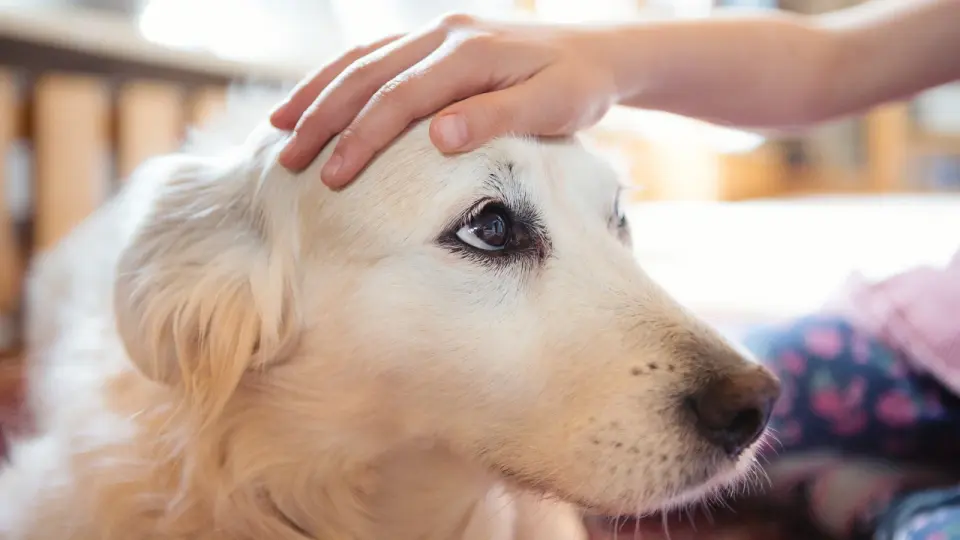
A new study from the University of Innsbruck reveals that physically touching a dog after a stressful event does not immediately reduce current stress levels but significantly buffers the body against future stress. Researchers found that while petting did not speed up recovery from an initial stressor, it prepared participants to handle a subsequent stress test with lower heart rates and calmer brain activity. This suggests that the physical contact acts as a preventative shield rather than an immediate cure, offering a biological mechanism for the well-being benefits of pet ownership.
Key points
- Study published in Biological Psychology involved 64 dog owners and their pets.
- Participants underwent stress tests involving timed trivia and arithmetic with negative feedback.
- A five-minute recovery period allowed either free physical contact with the dog or no touch (dog leashed out of reach).
- Touch did not accelerate recovery from the first stress test but improved physiological responses to a second stress test.
- Participants who touched their dogs showed lower heart rates and reduced beta brain wave activity during the second stressor.
- Self-reported stress levels did not always correlate with physiological changes, indicating unconscious benefits.
Background
Previous research has established that pet ownership generally lowers stress and cortisol levels, but the specific role of physical touch has been difficult to isolate from other interactions like eye contact or verbal communication. Recent studies, including one from August 2025, confirmed that dogs can reduce cortisol spikes, but this new study aims to pinpoint touch as the specific mechanistic pathway. This follows broader trends in human-animal interaction research, such as studies on oxytocin release during eye contact, and complements findings on how physical contact in human relationships buffers stress.
How outlets are covering it
ScienceAlert emphasizes the surprising finding that touch does not immediately reduce stress but prepares the body for future challenges, highlighting the 'buffering' effect. VICE notes the natural inclination of owners to pet their dogs, even when the dog is not receptive, and points out the limitation that most participants were White European women. PsyPost provides a detailed methodological breakdown, noting that the stress test included social-evaluative components (negative feedback via video) and that the benefits were observed in an exploratory analysis, suggesting the need for further replication. All sources agree that the physiological benefits may occur without the owner consciously noticing them.
Why it matters
This research provides a concrete biological explanation for why petting a dog feels comforting, linking it to specific physiological responses like heart rate variability and brain wave activity. It suggests that the act of touching a pet can serve as a proactive strategy for managing upcoming stress, potentially informing therapeutic interventions for anxiety and stress management. Understanding the specific role of touch can help pet owners and clinicians maximize the health benefits of human-animal interactions.
What to watch
Researchers acknowledge the limitations of the study, including the small, demographically limited sample and the exploratory nature of the findings. Future studies will need to replicate these results in more diverse populations and settings to confirm the robustness of the stress-buffering effect. Additionally, further research may explore whether the benefits extend to other types of pets or if the specific neural pathways activated by touch can be targeted in therapeutic contexts.
- Physically Touching Your Dog Can Help Protect You From Upcoming Stress, Study Suggests ScienceAlert
- Petting your dog may help your body handle the next stressful situation better Medical Xpress
- Why Petting Your Dog After a Stressful Experience Could Help You Later VICE
- New study suggests touch is a key ingredient in dogs’ stress-buffering power PsyPost
Want the full story? Read the original reporting
Read on ScienceAlert