
Congo's Bundibugyo Ebola Outbreak Crosses 6,000 Cases Amid Rebel Violence and Control Measures
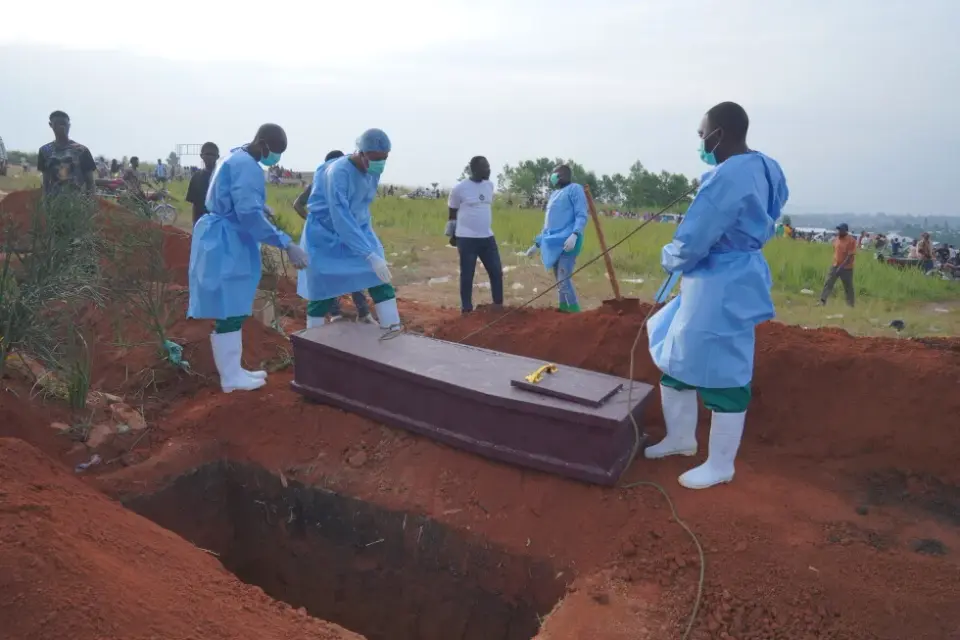
The Democratic Republic of Congo's Ebola outbreak has surpassed 6,000 confirmed cases, with control measures disrupting life across six provinces. While the government has installed health equipment, advocacy groups argue more is needed to build community trust, and the World Health Organization warns of cross-border risks despite Uganda declaring itself Ebola-free last month.
Key points
- The outbreak has surpassed 6,000 confirmed cases in the Democratic Republic of Congo.
- Control measures, including limited public gatherings, social distancing, and airport closures, have disrupted life in six provinces.
- Ituri province is particularly affected, suffering from both the outbreak and rebel violence.
- The government has installed health and sanitary equipment, but advocacy groups say more is needed to build community trust.
- Uganda declared itself Ebola-free last month, but the WHO warns of continued cross-border spread risks.
Background
This outbreak, caused by the Bundibugyo virus, has been the fastest on record to reach 1,000 deaths, occurring in about two months. As of August 2026, it had surpassed 5,000 cases, with a fatality rate around 40%. Unlike the 2014-2016 outbreak, this one is largely confined to eastern provinces near the Uganda border, and there are no approved vaccines or treatments for Bundibugyo, though 70,000 Ervebo doses were recently supplied for frontline workers and trials.
Why it matters
The surge to 6,000 cases highlights the ongoing challenges in controlling the Bundibugyo virus, especially in conflict-affected areas like Ituri. The disruption of daily life and the need for community trust underscore the complex interplay between public health measures and local stability, while the cross-border risk remains a critical concern for regional health security.
What to watch
Health authorities and NGOs will likely continue to scale vaccination, surveillance, and treatment efforts. The government may need to implement more measures to build community trust, and the WHO will monitor cross-border spread risks, particularly given Uganda's recent declaration of being Ebola-free.
Want the full story? Read the original reporting
Read on AP News