
Keto Diet Cuts Liver Fat by 67% and Reverses Prediabetes in Half of Patients, Study Finds
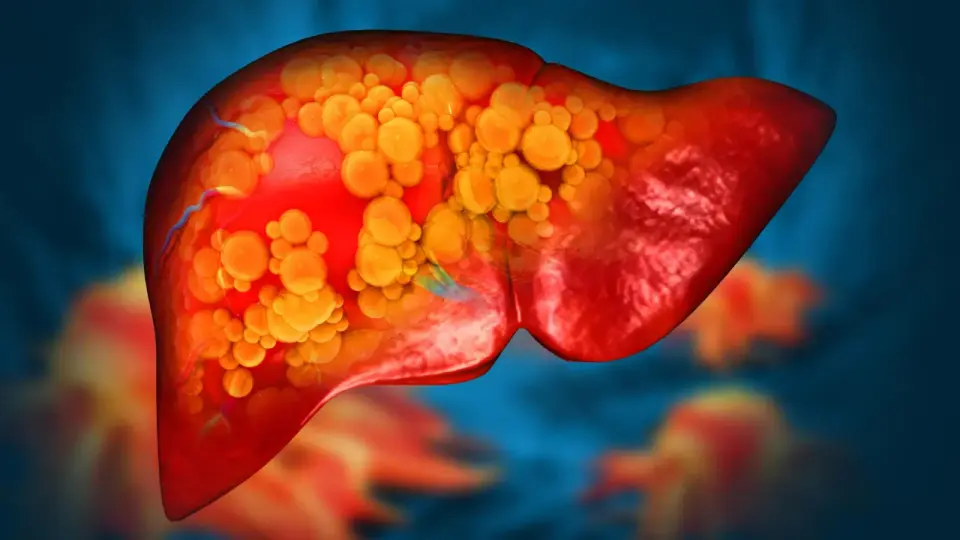
A new clinical trial shows that a ketogenic diet significantly outperforms Mediterranean and low-fat diets in reducing liver fat and reversing prediabetes, even when weight loss is comparable. Participants on the keto plan saw a 67% reduction in liver fat and half no longer met prediabetes criteria, suggesting dietary composition matters beyond simple weight loss.
Key points
- Keto participants experienced a 67% reduction in liver fat, compared to 45% for those on Mediterranean or low-fat diets, despite similar weight loss.
- Approximately 50% of keto participants no longer met the diagnostic criteria for prediabetes, versus 29% for the Mediterranean group and 7% for the low-fat group.
- The study involved 42 adults with obesity, prediabetes, and fatty liver disease, with all groups losing about 10% of their starting body weight over four to five months.
- Keto participants showed increased glucagon levels and decreased insulin levels, which help reduce liver fat accumulation, without an increase in blood fat or cholesterol.
- Researchers emphasize that dietary composition can influence metabolic health independently of weight loss, which is relevant as GLP-1 medications become more common for obesity treatment.
Background
Recent research has highlighted the complex relationship between diet and long-term health outcomes. For instance, a study published in late October 2026 found that brief exposure to a high-fat diet during the onset of acute skin inflammation can create a lasting 'inflammatory memory,' leading to severe disease recurrence even after returning to a healthy diet. Additionally, a New York internist advised in October 2026 that reducing visceral fat requires a balanced approach, emphasizing lean proteins and moderate healthy fats rather than extreme restriction. These findings underscore the importance of understanding how specific dietary components affect metabolic health beyond simple weight loss.
Why it matters
The findings suggest that the type of food consumed, not just the amount of weight lost, can significantly impact metabolic health. This is particularly relevant as GLP-1 medications, which help achieve substantial weight loss, become more widely available. Understanding how dietary composition affects liver fat and prediabetes could help clinicians recommend more effective dietary strategies for patients with obesity and related conditions.
What to watch
Researchers will need to conduct longer studies with more participants to determine whether the benefits of the ketogenic diet persist over time and how it compares to other diets in the long term. Additionally, further research may explore the mechanisms by which carbohydrate restriction influences liver fat and metabolic health, potentially leading to more targeted dietary recommendations for patients with obesity and prediabetes.
Want the full story? Read the original reporting
Read on ScienceDaily