
King's College Study Links Pomegranate Metabolite to 80% Improvement in Heart Failure Models
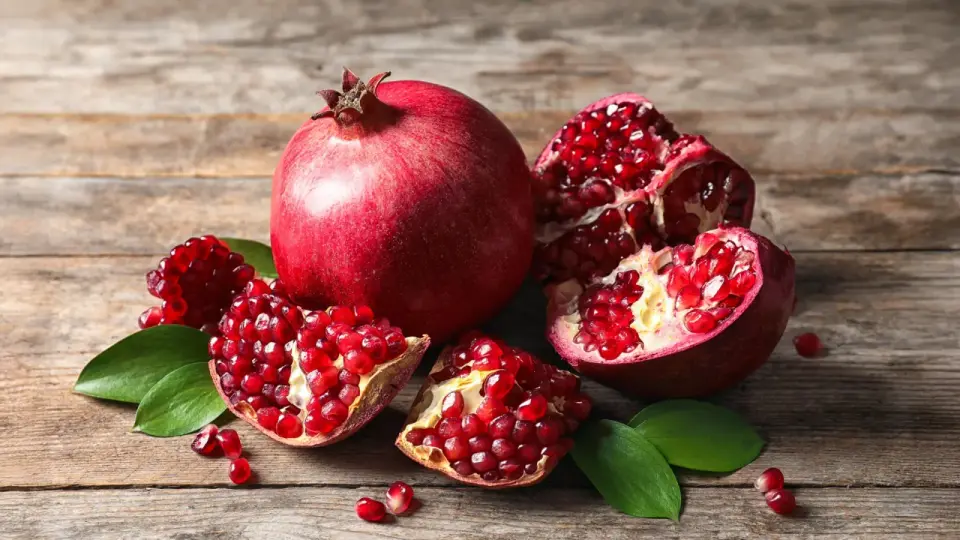
Researchers at King's College London have identified urolithin A, a compound produced in the body after consuming pomegranates, walnuts, and certain berries, as a potential treatment for heart failure with preserved ejection fraction (HFpEF). Published in Science Advances, the study shows that urolithin A activates the PKGIα protein, improving heart relaxation by up to 80% in animal models and engineered human heart tissue. This condition, which affects nearly half a million people in the UK, involves a stiff heart that cannot fill properly between beats, leading to fatigue and breathlessness. While current treatments are limited due to the complex nature of HFpEF, this new mechanism offers a promising therapeutic target. However, experts caution that these results are preliminary, as they are based on experimental models rather than human clinical trials. Although urolithin A has a favorable safety profile in previous human studies, further research is required to confirm its efficacy as a treatment for patients.
Key points
- Urolithin A, derived from pomegranates and other foods, activates the PKGIα protein to enhance heart muscle relaxation.
- Animal models showed up to an 80% improvement in heart function, alongside reduced scarring and limited heart enlargement.
- The compound also improved relaxation in engineered human heart tissue created from stem cells, suggesting potential translatability to humans.
- Heart failure with preserved ejection fraction (HFpEF) affects approximately half of all heart failure cases in the UK, with limited current treatment options.
- The study identifies a new therapeutic target but emphasizes that clinical trials are necessary before recommending dietary changes as a treatment.
Background
This finding builds on earlier coverage from August and September 2026, which highlighted the same King's College London research regarding urolithin A's role in HFpEF models. Previous reports noted the activation of the PKGIα pathway and the potential for dietary strategies to enhance urolithin A production, though they consistently warned against using pomegranate consumption as a direct treatment. This latest report reiterates the need for human clinical trials to validate the experimental results.
Why it matters
Heart failure with preserved ejection fraction is a debilitating condition with few effective treatments, affecting a significant portion of the UK population. The identification of urolithin A as a potential therapeutic agent offers hope for improved clinical outcomes and quality of life for patients. However, the distinction between experimental promise and clinical reality is crucial, as premature dietary recommendations could mislead patients. The study underscores the importance of rigorous clinical trials in translating laboratory findings into viable medical treatments.
What to watch
The next step is the initiation of human clinical trials to determine if urolithin A can effectively treat HFpEF in patients. Researchers will need to assess the compound's safety and efficacy in a diverse population, considering the complex factors that contribute to the condition, such as aging, high blood pressure, and diabetes. Until such trials are completed, the focus should remain on managing underlying conditions and adopting healthy lifestyle changes, including a balanced diet rich in fruits and vegetables.
Want the full story? Read the original reporting
Read on sciencedaily.com