
AI Scribes in UK Clinics Face Scrutiny Over Missed Details and Malpractice Risks
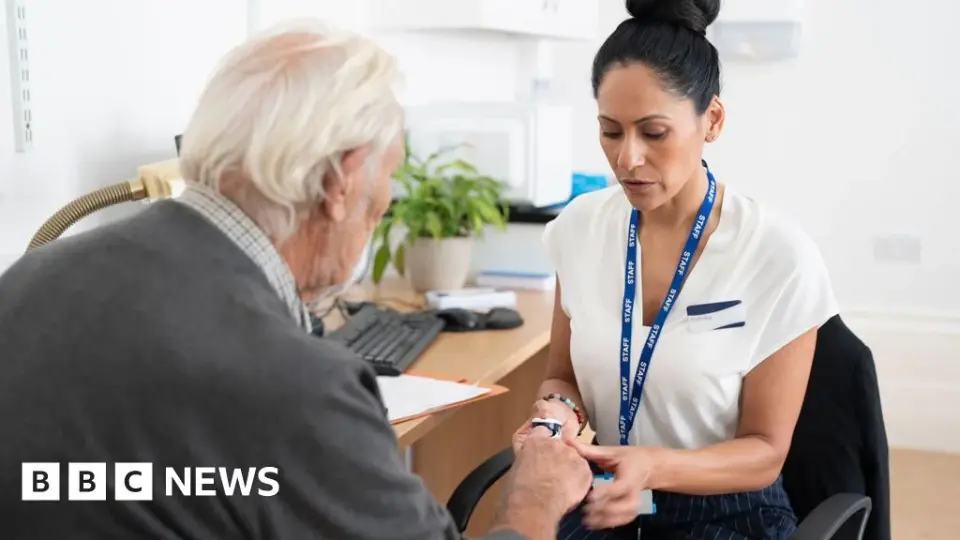
New research and regulatory warnings indicate that ambient AI scribes, used by 40% of UK GPs, may miss vital non-verbal cues and contain factual errors, raising concerns about patient safety and clinician deskilling.
Key points
- University of Edinburgh researchers found that AI scribes prioritize clinical data over patient narratives, potentially missing emotional context and sensitive disclosures.
- Healthwatch England reported specific errors, including incorrect drug names and diagnoses, which patients often had to identify and correct.
- Experts warn that AI scribes can lead to 'cognitive offloading,' reducing clinician memory recall and skill development over time.
- The Medicines and Healthcare products Regulatory Agency has not classified AI scribes as medical devices, leaving them without England-wide safety oversight.
- A study in the Annals of Internal Medicine found that AI-generated notes scored lower than human-written notes in thoroughness, organization, and usefulness.
Background
The rapid adoption of AI scribes in the NHS follows earlier discussions about digital transformation in healthcare, where tools like Heidi were credited with reducing administrative backlogs in some clinics. This development contrasts with previous concerns about AI accuracy in other sectors, such as GPS systems affected by solar storms, highlighting the unique risks of AI in critical human interactions.
How outlets are covering it
The BBC and The Independent emphasize the loss of patient voice and non-verbal cues, with the BBC noting that patients may withhold sensitive information when recorded. The Guardian focuses on factual errors, such as incorrect diagnoses and drug names, which can persist in medical records if not caught by patients. Healthcare Dive highlights the malpractice risks, noting that AI scribes can hallucinate information and that clinicians may rubber-stamp notes without critical review, leading to potential lawsuits. While all sources agree on the risks, they differ in emphasis: The BBC and Independent focus on patient experience and clinician deskilling, The Guardian on specific errors and regulatory gaps, and Healthcare Dive on legal and quality issues.
Why it matters
As AI scribes become central to the NHS's digital transformation, ensuring their accuracy and safety is crucial to prevent medical errors and maintain patient trust. The lack of regulatory oversight and the potential for clinicians to rely too heavily on AI could lead to long-term skill loss and increased malpractice risks, affecting the quality of care across the UK.
What to watch
Healthcare systems are advised to pilot AI scribes carefully and ensure clinicians review notes critically. Regulatory bodies may need to reconsider the classification of AI scribes to ensure safety standards. Further research is needed to understand the long-term impacts of AI on clinician skills and patient outcomes.
- AI tools that take notes for GPs could miss vital information, study suggests BBC
- Doctors’ AI scribes get names of drugs and diagnoses wrong, NHS watchdog warns The Guardian
- Doctors issued warning over use of AI to take patients’ notes The Independent
- Online Exclusive | Smart Tools For Smart Docs: Less Charting, More Caring American College of Cardiology
- Why AI scribes are a malpractice risk, according to experts Healthcare Dive
Want the full story? Read the original reporting
Read on BBC