
Forager Robin Greenfield Swaps Store-Bought Food for a Year of Wild Harvests
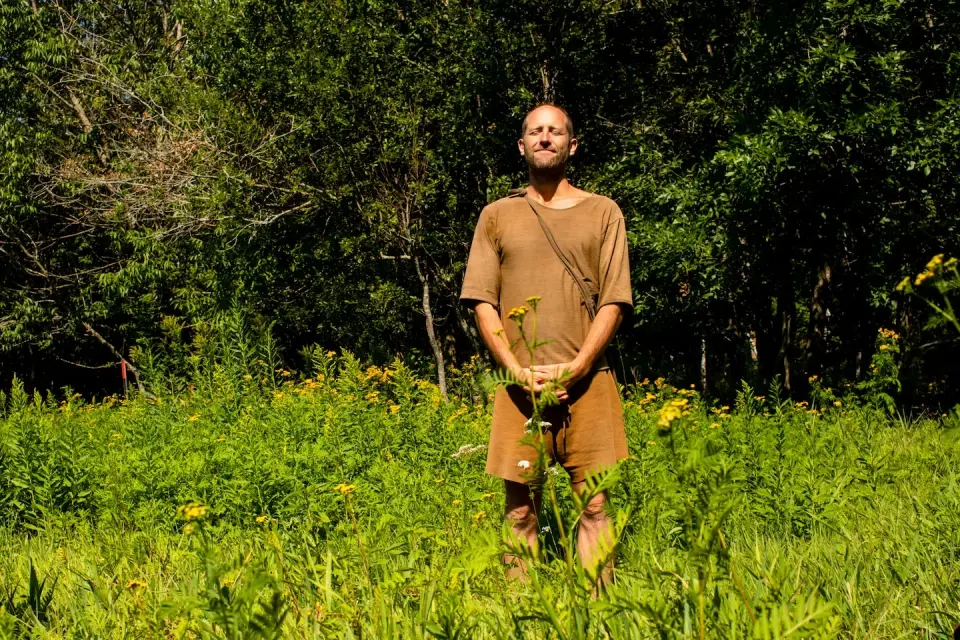
Robin Greenfield has spent the past year eating exclusively foods he forages or catches while traveling across the United States. He consumes wild rice, acorns, nuts, plums, fish, and deer, aiming to challenge modern norms and reconnect with nature. Greenfield argues that while his lifestyle appears extreme compared to the status quo, it aligns with the long-term human experience. He travels to teach others foraging skills, noting that participants often report increased happiness and a stronger sense of connection. Although he acknowledges his diet is radical by current standards, he views it as a normal response to extreme environmental times. The article highlights his daily caloric intake, ranging from 2,000 to 3,500 calories, and his reliance on wild rice as a primary carbohydrate. Greenfield also notes the ethical complexities of hunting, citing high deer-vehicle collision rates in Wisconsin as a reason for his cautious approach. His initiative emphasizes individual responsibility and self-sufficiency as pathways to societal change.
Key points
- Robin Greenfield has foraged for all his food for one year while traveling the U.S.
- His diet includes wild rice, acorns, nuts, plums, fish, and deer.
- He teaches others to forage, claiming participants feel happier and more connected.
- Greenfield views his lifestyle as normal compared to long-term human history, despite appearing extreme today.
- He consumes 2,000 to 3,500 calories daily, with wild rice as his main carbohydrate.
Background
Recent studies link high consumption of ultra-processed foods to silent brain damage in healthy adults, highlighting the neurological risks of modern diets. Additionally, some individuals are relocating to regions known for plant-centered diets and longevity, such as Sardinian 'Blue Zone' islands, to improve health. These trends underscore a growing interest in alternative dietary approaches that prioritize natural, minimally processed foods over industrialized options.
Why it matters
Greenfield’s experiment challenges the dominance of industrial food systems by demonstrating the viability of foraging as a sustainable, self-sufficient lifestyle. His work encourages individuals to question societal norms and take personal responsibility for their food sources, potentially influencing broader conversations about environmental sustainability and health. By reconnecting with nature, foraging may offer a counterbalance to the disconnection and health risks associated with ultra-processed diets, promoting a more holistic approach to well-being.
What to watch
Greenfield continues to travel across the U.S., teaching others to forage and advocating for a return to natural food sources. His efforts may inspire more individuals to explore foraging as a sustainable practice, potentially influencing dietary trends and environmental policies. As awareness of the health impacts of ultra-processed foods grows, Greenfield’s model could gain traction among those seeking alternatives to industrial food systems.
Want the full story? Read the original reporting
Read on The Washington Post